
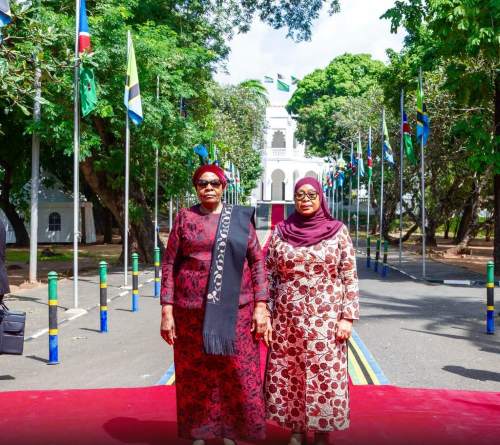
- New agreements signal a shift from liberation-era solidarity to a strategic economic partnership aimed at boosting trade, investment and industrial growth across Southern and Eastern Africa.
By Business Insider Reporter
Tanzania and Namibia have taken a significant step towards strengthening intra-African trade and investment after Presidents Samia Suluhu Hassan and Netumbo Nandi-Ndaitwah signed four key agreements designed to deepen economic cooperation and accelerate regional integration under the African Continental Free Trade Area (AfCFTA).
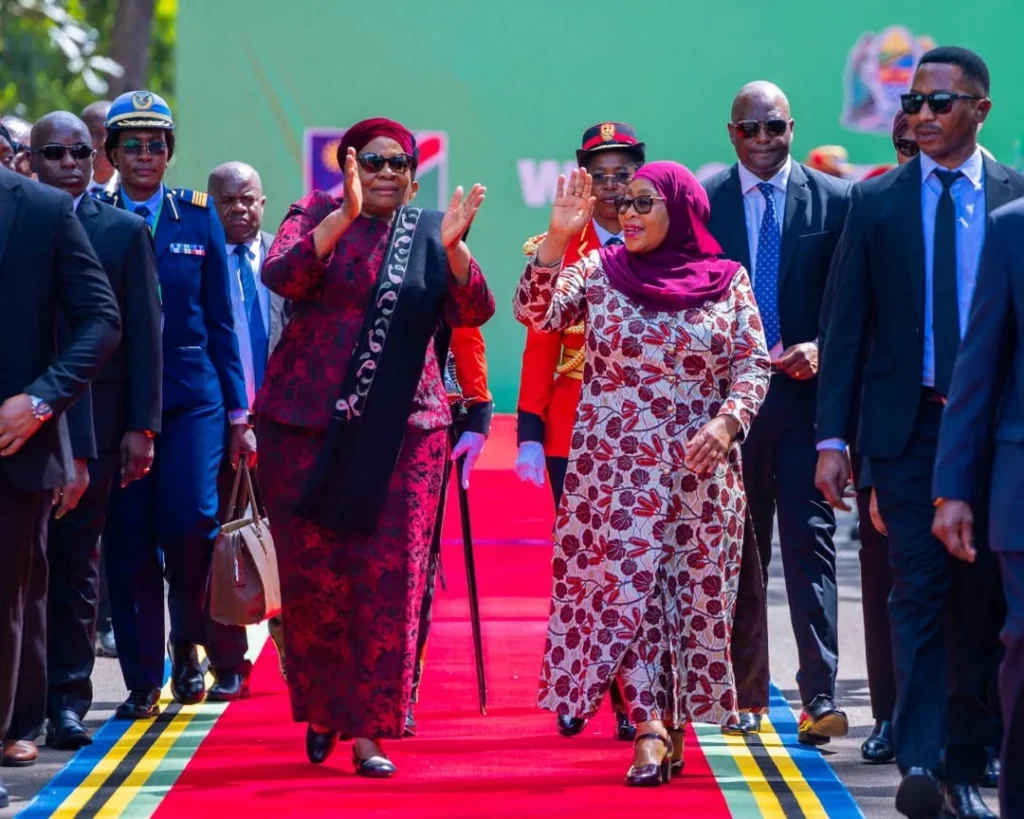
The agreements, signed during President Nandi-Ndaitwah’s state visit to Dar es Salaam, mark a new chapter in relations between the two countries, transforming decades of political solidarity into a broader economic partnership focused on trade, industrialisation, investment and private-sector growth.
The visit comes at a time when African economies are increasingly seeking to expand regional commerce, reduce dependence on traditional overseas markets and strengthen resilience against global economic shocks.
Speaking after bilateral talks, the two leaders underscored the need to move beyond historical ties forged during Africa’s liberation struggles and focus on creating tangible economic opportunities for citizens.
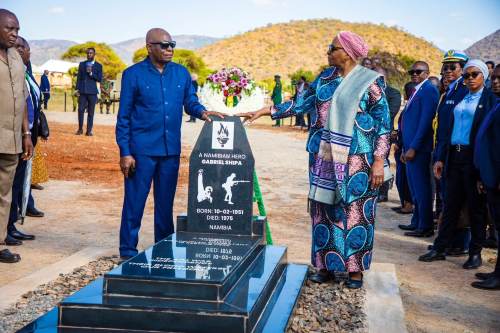
Tanzania played a prominent role in Namibia’s fight for independence, hosting liberation fighters and supporting the country’s struggle against colonial rule. Today, both governments believe that the same spirit of cooperation should be channelled into economic transformation, job creation and regional prosperity.
Four agreements to drive growth
The two countries signed Memoranda of Understanding covering trade cooperation, defence and security, development of micro, small and medium enterprises (MSMEs), and municipal cooperation.
The trade agreement is expected to facilitate greater movement of goods between East and Southern Africa by addressing non-tariff barriers, improving customs cooperation and promoting business-to-business engagement.
A separate agreement on MSME development seeks to integrate small businesses into regional value chains, opening new opportunities for entrepreneurs to access wider African markets.
Meanwhile, cooperation between Zanzibar Municipality and Namibia’s coastal city of Swakopmund will focus on urban management, tourism development and the blue economy, sectors increasingly recognised as important drivers of sustainable growth.
Leveraging complementary strengths
Economists view the partnership as strategically significant because the two countries possess complementary economic strengths.
Namibia is among Africa’s leading exporters of beef, fish and mineral products, while Tanzania has emerged as one of the continent’s fastest-growing economies, supported by a large agricultural sector, expanding manufacturing base and strategic transport infrastructure.
Tanzania’s ports, particularly Dar es Salaam, continue to play a critical role as trade gateways for several land-linked countries in Southern and Central Africa. Improved commercial ties with Namibia could strengthen logistics networks and create new trade corridors linking eastern and southern parts of the continent.
Business analysts note that closer cooperation could encourage investment in value addition and industrial processing, allowing African countries to capture greater value from their natural resources instead of exporting raw commodities.
AfCFTA gains momentum
The partnership also reflects growing momentum behind the African Continental Free Trade Area, which seeks to create a single market of more than 1.3 billion people with a combined economic output exceeding US$3 trillion.
While AfCFTA provides the legal framework for continental trade integration, experts argue that bilateral partnerships such as the Tanzania-Namibia initiative are essential for translating policy commitments into practical business opportunities.
By aligning regulations, improving trade facilitation and encouraging private-sector collaboration, the two countries aim to position themselves as early beneficiaries of the continent’s largest free-trade arrangement.
Challenges remain
Despite the optimism surrounding the agreements, experts caution that implementation will be crucial.
Limited transport connectivity, high logistics costs, access to finance and persistent non-tariff barriers continue to constrain trade between many African countries.
The success of the new partnership will therefore depend on sustained political commitment, active private-sector participation and coordinated efforts to remove obstacles that discourage investment and cross-border commerce.
For Tanzania, the agreements support broader ambitions to become a regional trade and logistics hub while advancing industrialisation and export-led growth.
For Namibia, the partnership offers greater access to East African markets and new opportunities for investment collaboration. As Africa seeks to unlock the full potential of AfCFTA, the Tanzania-Namibia alliance could provide an important model for how historical ties can be converted into modern economic partnerships capable of driving growth, creating jobs and strengthening the continent’s economic sovereignty.