By Business Insider Correspondent
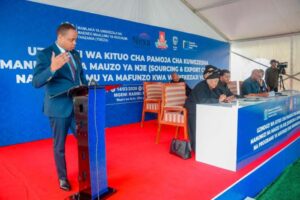
Standard Bank Group, Africa’s largest lender, has doubled down on its support for the East African Crude Oil Pipeline (EACOP), with Chief Executive Officer Sim Tshabalala saying the long-term economic benefits far outweigh environmental risks.
His remarks add fresh momentum to a US$5 billion project that is set to reshape energy trade in East Africa while drawing global scrutiny.
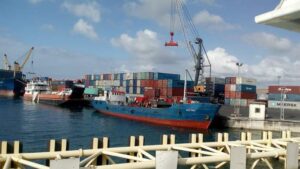
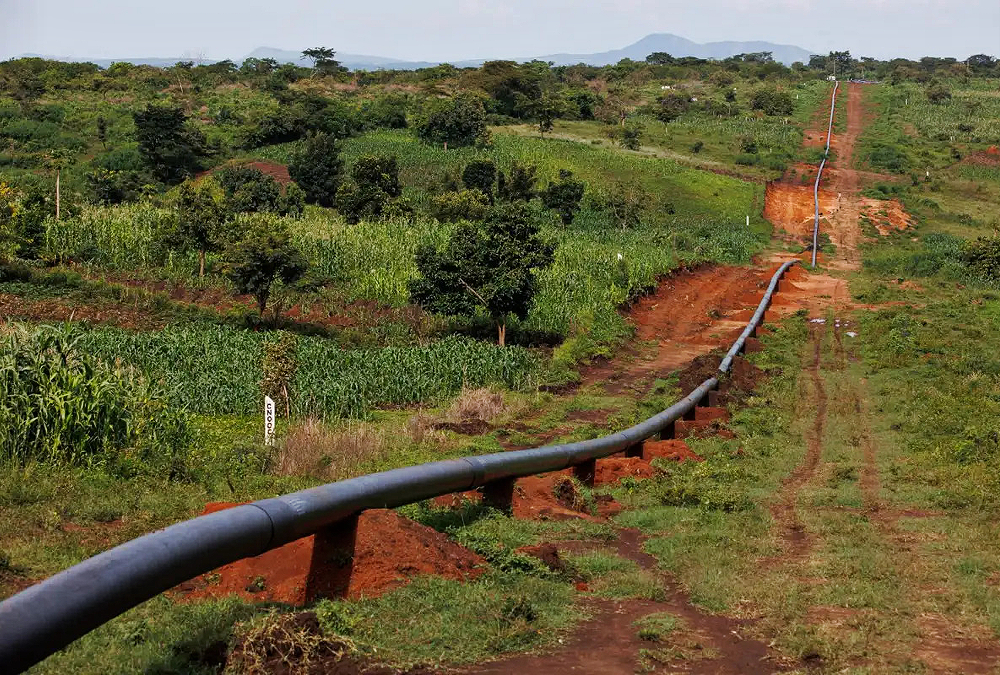
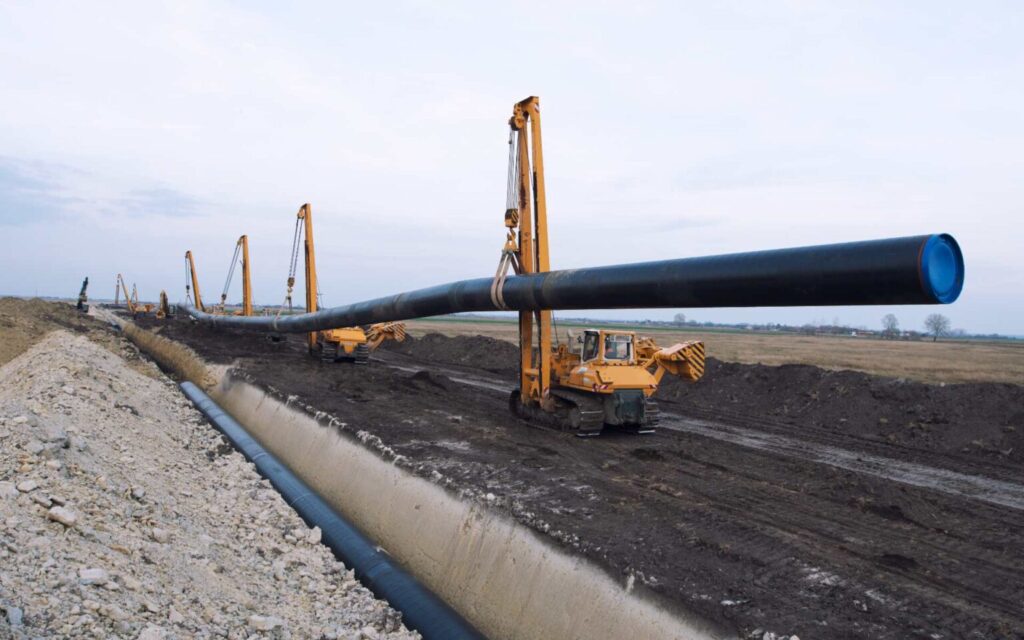
At 1,443 kilometres, the EACOP will be the world’s longest heated crude oil pipeline, linking Uganda’s oil fields in Hoima to the port of Tanga in Tanzania.
Once completed, it is expected to carry 216,000 barrels of crude oil per day to international markets, unlocking billions in export revenues for Uganda while positioning Tanzania as a key transit hub for regional energy.
Boost for partner countries
For Uganda, EACOP is a gateway to monetising its estimated 6.5 billion barrels of oil reserves.
The Petroleum Authority of Uganda projects that pipeline exports will generate more than US$1.5 billion annually, boosting foreign exchange inflows and government revenues at a critical time for the economy.
Tanzania, which hosts 1,147 kilometres of the pipeline, stands to gain from transit fees, local content opportunities, and the development of related infrastructure in Tanga.
The Tanzania Petroleum Development Corporation (TPDC), which owns a 15 percent stake, expects the project to create thousands of direct and indirect jobs, while stimulating local businesses in logistics, construction, and services.
China’s CNOOC and TotalEnergies, which holds the controlling 62% stake, view the pipeline as a strategic channel to secure supply chains, reinforcing East Africa’s importance in global energy markets.
Balancing growth and sustainability
Environmental campaigners, both in Africa and abroad, have long opposed the project, citing risks to ecosystems, water resources, and local communities.
But Tshabalala argued that these concerns are being addressed through mitigation measures. “Yes, there are environmental costs, but these are being minimised, and the net effect is that the project is worth it,” he said in Johannesburg.
He framed the project within Africa’s broader development agenda, stressing that countries have a right to leverage their fossil fuel resources.
“People need energy, they need income, and they need development. Our focus is unequivocally on driving Africa’s growth,” Tshabalala added.
Investor confidence and financing
The financing milestone reached in March – led by Standard Bank, Afreximbank, Stanbic Uganda, KCB Uganda, and the Islamic Corporation for the Development of the Private Sector – was critical in signalling confidence to other investors. While Standard Bank’s contribution is below US$100 million, its endorsement carries symbolic weight as a barometer of investor appetite in Africa’s energy transition landscape.
Analysts say successful completion of the EACOP could set a precedent for blended financing of large-scale African infrastructure projects, balancing commercial viability with environmental safeguards.
Regional energy future
As Africa debates how best to position itself in the global shift to clean energy, the EACOP underscores the continent’s transitional strategy: leveraging oil and gas resources to fuel industrialisation, while scaling up investments in renewables.
Uganda and Tanzania are already pursuing parallel renewable projects, but both governments insist oil exports remain essential to bridging the financing gap.
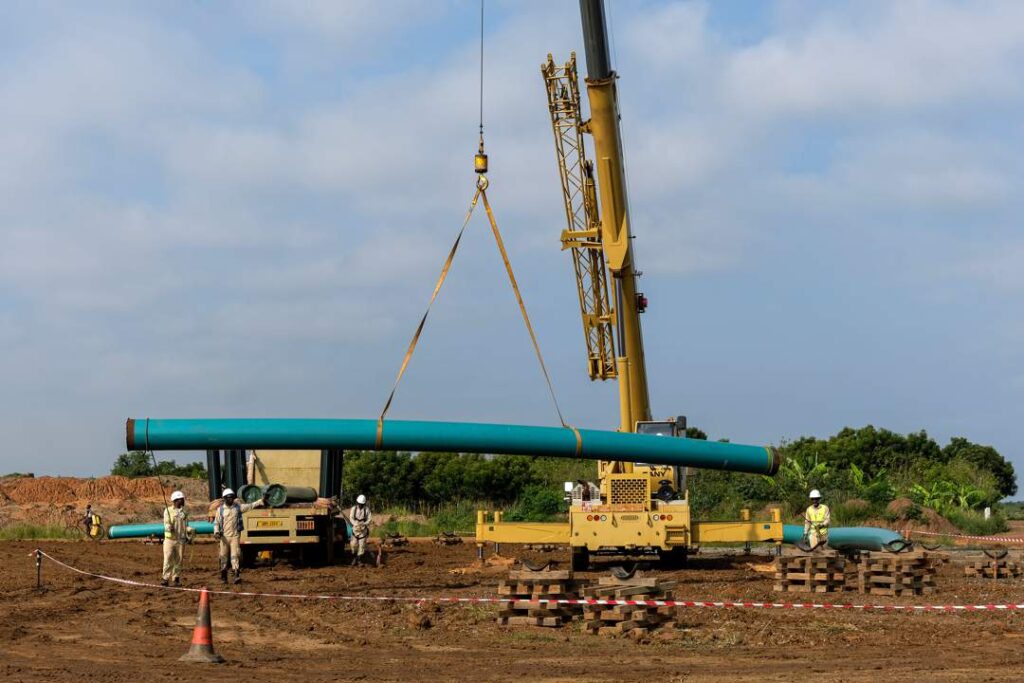
If timelines hold, mechanical works on the pipeline should be completed in the first half of 2026, setting the stage for first oil exports. For Tanzania, Uganda, and their partners, this could mark the beginning of a new chapter – one where fossil fuel revenues not only power national budgets but also lay the groundwork for investments in clean energy and long-term economic transformation.