
By A Special Correspondent
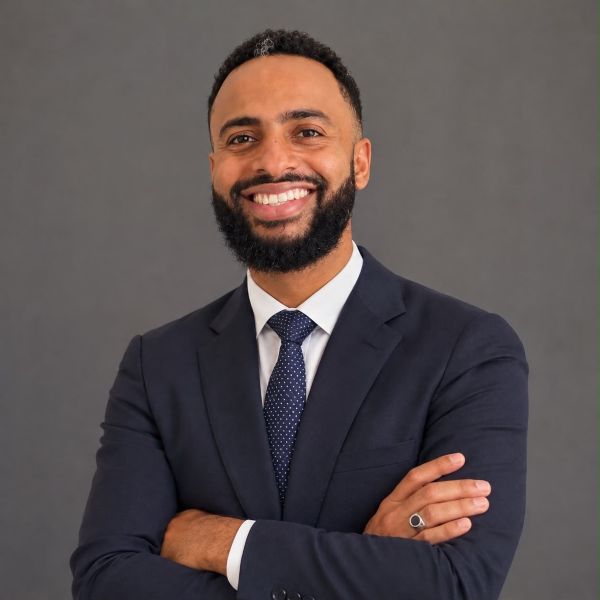
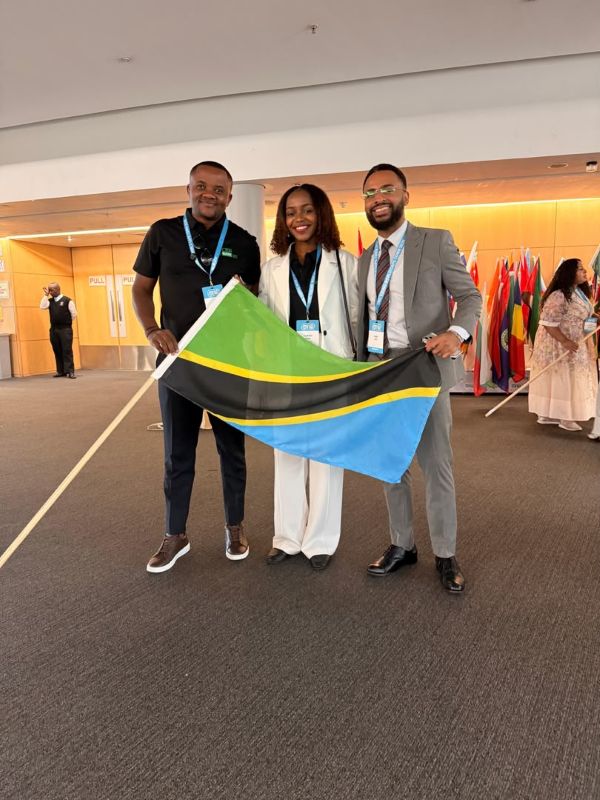
When young leaders from more than 190 countries met in Cape Town last week for the One Young World Summit, Stanbic Bank Tanzania was represented by a banker whose career demonstrates what investing in young people can achieve.
Farid Ally joined Stanbic as a graduate trainee. Today, he is the bank’s Head of Trading.
The summit, held from Tuesday, November 3 to Friday, November 6, 2026, returned to Africa for the first time since Johannesburg hosted it in 2013. It brought young people together with business leaders, policymakers and public figures from more than 250 organisations.
Standard Bank Group, Africa’s largest bank by assets and the parent company of Stanbic Bank Tanzania, partnered with the summit and sponsored its closing ceremony.
The Group also sponsored 61 young delegates, including a special delegation of 30 graduate programme alumni and current graduates, among them participants from East Africa, to mark the approaching 30th anniversary of its Graduate Development Programme.
“I joined Stanbic as a graduate trainee with a degree and a lot of questions. The people around me gave me room to learn, to make mistakes and to take on more responsibility each year. In Cape Town I met young people from every part of the world with that same hunger, and I came home convinced that young Tanzanians can compete with anyone when someone believes in them,” said Mr Ally, Head of Trading, Stanbic Bank Tanzania.
The question the summit put to business and government is particularly pressing for Tanzania. The country has 21.3 million people aged between 15 and 35, representing 34.5 percent of the population, according to the 2022 Population and Housing Census published by the National Bureau of Statistics.
Young people also account for more than 55 percent of the national labour force. Youth unemployment stands at 9.5 percent nationally but rises to 15.9 percent in urban areas, where most graduates seek their first jobs.
The government has placed young people at the centre of Tanzania Development Vision (Dira) 2050 and aims to create at least 8.5 million jobs between 2025 and 2030.
Presenting the 2026/27 budget of the President’s Office, Youth Development, to Parliament, Minister of State Dr Joel Arthur Nanauka said: “The government sees young people not as a liability, but as a major asset for national development.”
Stanbic’s response is to recruit young Tanzanians and develop them into future leaders. Its graduate trainee programme places university graduates in real roles across the bank, rotating them through different departments to give them an understanding of how a bank operates from the inside.
The programme retained 93 percent of its trainees, according to figures shared at its 2024 graduation, while former trainees now hold positions across Stanbic and the wider Standard Bank Group. The bank’s field attachment programme gives university students their first experience of working in a banking environment, while its Branch Managers Academy prepares existing staff for leadership roles.
“We hire young Tanzanians for what they can become, not only for what they already know. Our graduates do real work from their first week, and our leaders give them time, feedback and responsibility. Farid’s journey from graduate trainee to Head of Trading is the example we share with every new cohort, because it shows that the most senior roles in this bank are open to them,” said Rabina Masanja Rienks, Head of People and Culture, Stanbic Bank Tanzania.
The Group shares that commitment to developing young talent across its markets.
“Africa’s future growth and prosperity depend on investing in the potential of its young people,” said Lungisa Fuzile, Chief Executive for Africa Regions and Offshore at Standard Bank, ahead of the summit. In 2025, 251 graduates joined Standard Bank Group’s graduate programmes across 11 countries. “Stanbic has served Tanzania for more than three decades, and the people who will lead it through the next are the young Tanzanians joining us today. Investing in them is how we invest in the country. Tanzania is our home, and we drive her growth,” said Rabina.