
By Tim McDonnell
In the decade since the Paris Agreement, the annual round of UN climate summits has seemed like a parallel universe, increasingly out of touch with geopolitics and the real economy.
Between the idealism-bordering-on-naivete, and the impenetrable thicket of acronyms, jargon, and obscure treaty provisions, “sometimes I come into negotiation rooms and the contrast with the real world cannot be any bigger,”
Ali Mohamed, Kenya’s special climate envoy, told me here. There are still many people here at COP31 in Antalya, Türkiye, this week who would love to see the oil and gas industry shuttered tomorrow, energy access and prices be damned. Fossil fuel companies’ record-breaking profits this year are proof that, like it or not, the world still needs a lot of this stuff.
While the Iran war certainly did drive some countries to accelerate their adoption of renewables, the global reprioritization of energy security means “there is no doubt we’re backsliding” on the goal adopted at COP28, in Dubai, to transition away from fossil fuels, Mr Mohamed said. And needless to say, nothing that happens at COP has any real legally binding force on any country.
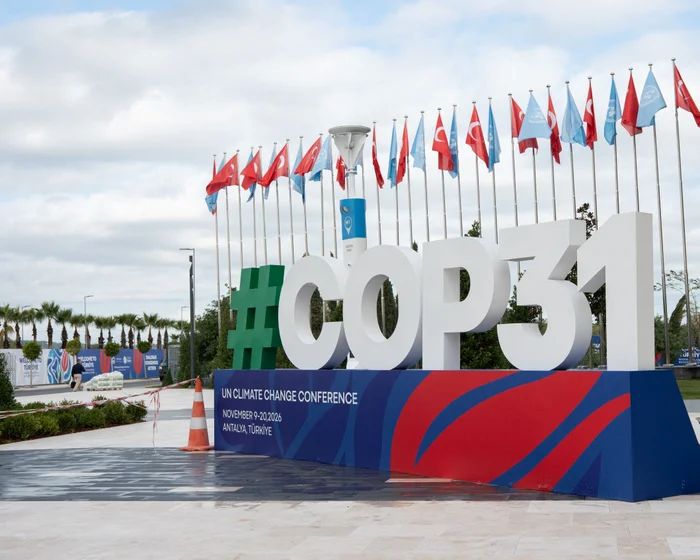
So what’s it all for? I’ve asked myself this question a lot in the past 48 hours, while navigating Antalya’s maddeningly overwhelmed transit system (although I will say the COP venue itself, if you can manage to get inside, is the nicest one we’ve had in years).
One answer is that pragmatism was never the point. Idealism is a feature of UN summits, not a bug, Eurasia Group analyst María José Valverde said: “COP goals aren’t designed to be achieved. It’s about where we want to take humanity.”
Another answer is that, while it may not get headlines, “there’s still all kinds of shit happening behind the scenes,” as one diplomat put it to me this morning, from deals on clean cooking stoves in Africa to negotiations among European countries to remove bureaucratic barriers between their rail networks that force more commercial traffic onto dirtier highways.
And while it may not be happening at activists’ preferred pace, clean energy adoption is already driving a tangible transition away from fossil fuels. That’s in spite of a surge in overall energy demand that has made it harder to displace any one source.
In the absence of all renewables that have been built since 2010, the International Energy Agency reported last week, global fossil fuel demand in 2025 would have been eight percent higher, “an amount equivalent to India’s total energy consumption.”
The big goal for this particular COP is to drive this trend forward by getting countries to agree on a target to raise the share of total global energy demand served by electricity from 23 percent today to 35 percent by 2035.
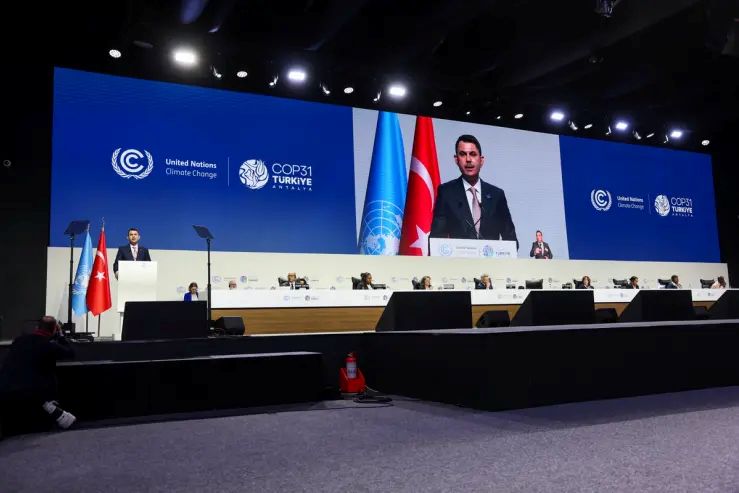
That’s basically another version of the fossil fuel transition goal, viewed through the opposite end of the kaleidoscope, which could be more palatable to the oil-producing countries that are usually the spoilers here. Whatever is negotiated here will, again, be nonbinding.
And it’s impossible to say precisely what role COP, per se, has had in the pace of the clean energy rollout up to now. But to the extent that these meetings mainly serve to send long-term political signals that buttress — if not dictate — the economic signals companies use to make energy investment decisions, the best outcome for COP is to put itself out of business, as clean energy projects increasingly beat fossil fuels on merits unrelated to environmental ideology.
“In the real world, things are happening and not waiting for the negotiations,” Mohamed said. “The transition is going to happen whether you want it to or not.”
Tim McDonnell is Climate and energy editor, Semafor.