By Business Insider Reporter, Dodoma
Tanzania is intensifying efforts to integrate young people into its fast-growing mining industry, unveiling a series of reforms and investment support mechanisms aimed at widening access to one of the country’s most lucrative sectors.
The new measures, announced on March 16, 2026 by the Mining Commission of Tanzania (Stamico), reflect a broader policy shift toward inclusive resource governance, with a strong emphasis on youth entrepreneurship, local content and value addition.
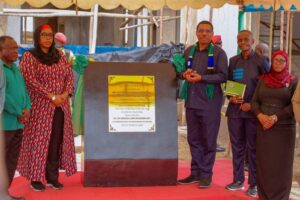
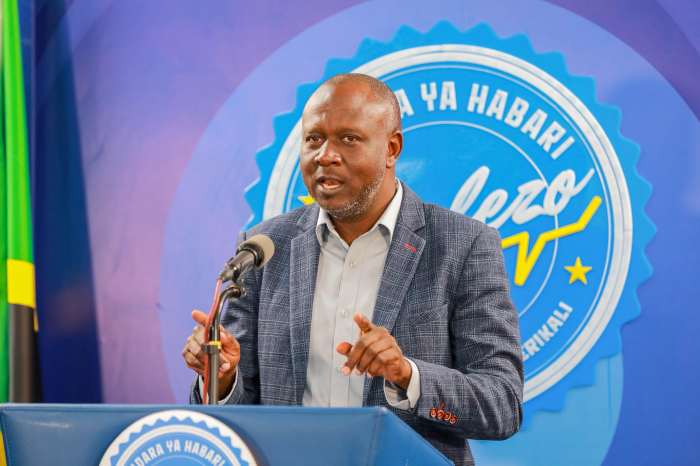
Speaking on behalf of the Commission’s Executive Secretary, Director of Mine Inspection and Environment, Engineer Hamisi Kamando, said the government is prioritising the creation of a more accessible and competitive mining ecosystem for young Tanzanians.
“We are putting in place systems that enable youth not only to enter the mining sector, but to thrive across the entire value chain—from extraction to trade and investment,” he said.
Licensing reforms unlock entry points
At the centre of the strategy is an expansion in access to mining licences. Under the flagship “Mining for Better Tomorrow” (MBT) reform programme, the government has already recorded measurable gains.
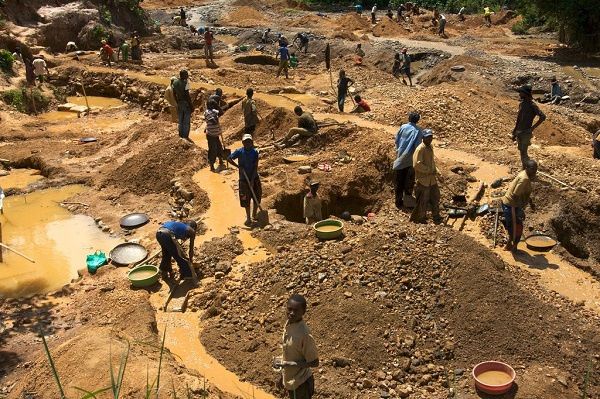
Between July and December 2025, 273 mining licences were issued to 183 youth groups across regions including Mara, Shinyanga and Morogoro. These groups are actively engaged in extracting gold, copper, gemstones and industrial minerals, collectively generating more than 2,500 direct jobs.
In parallel, the Commission issued 5,983 small-scale mining licences, accounting for 71 per cent of total licences granted during the period.
These licences are reserved exclusively for Tanzanian citizens – predominantly individuals aged between 18 and 45 – underscoring a deliberate policy to localise ownership of mineral resources.
Analysts note that easing licensing barriers is critical in a sector historically dominated by capital-intensive operators and foreign firms.
Financing gap addressed
Access to capital has long constrained the growth of artisanal and small-scale mining (ASM), particularly among youth. To address this, the Commission has entered into a strategic financing arrangement with CRDB Bank.
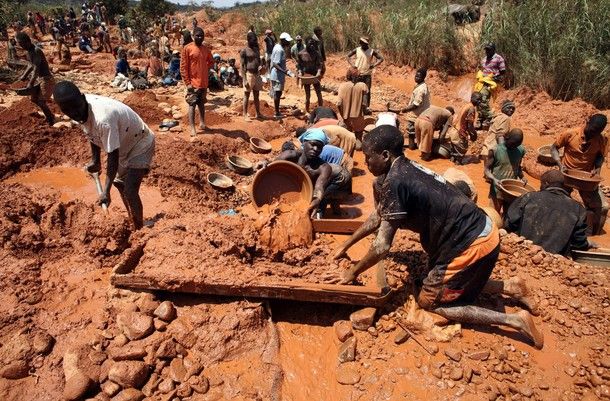
The agreement, signed in February 2026, is designed to expand credit access for small-scale miners, enabling them to invest in equipment, improve productivity and formalise operations.
Industry observers view this as a significant intervention, given that limited financing has often forced informal miners to rely on inefficient technologies and unregulated markets, reducing both profitability and government revenue collection.
Local content policy drives domestic participation
Beyond extraction, the government is leveraging local content regulations to expand economic opportunities for Tanzanian-owned businesses, including youth-led enterprises.
Between July and December 2025, mining companies procured goods and services worth TSh 3.8 trillion from local firms. This was facilitated by a policy framework that reserves 20 categories of services exclusively for fully Tanzanian-owned companies.
The policy is intended to ensure that the economic benefits of mining extend beyond production to include supply chains such as logistics, equipment servicing, catering and construction.
Value addition gains traction
Tanzania is also pushing to retain more value domestically through mineral processing and refining. Currently, seven processing facilities are operational nationwide, collectively employing hundreds of workers.
During the six months to December 2025, minerals worth Sh5.8 trillion were processed locally prior to export – a trend that reflects the government’s ambition to shift from raw mineral exports to semi-processed and finished products.
This aligns with broader industrialisation goals under national development frameworks, where mining is positioned as a catalyst for manufacturing growth.
Technology and geological data access
Efforts to modernise the sector are being implemented in collaboration with institutions such as the Geological Survey of Tanzania and the State Mining Corporation.
These institutions are working to improve access to geological data and equip young miners with technical skills in exploration, data interpretation and the use of modern mining technologies – areas that have traditionally been out of reach for small operators.
To further ease entry, the government has proposed allocating 65 new special mining zones specifically for small-scale operators. This is expected to reduce conflicts over land access while formalising operations that would otherwise remain informal.
From inclusion to productivity
While Tanzania’s youth-focused mining reforms are widely seen as progressive, experts caution that their long-term success will depend on sustained implementation, regulatory consistency and continued access to finance and markets.
Nevertheless, the current policy direction signals a strategic attempt to transform mining from a capital-intensive enclave into a broad-based driver of employment, entrepreneurship and industrial growth. As global demand for minerals – particularly gold and critical resources – remains strong, Tanzania’s approach could position its youthful population at the centre of the sector’s next phase of expansion.