By Business Insider Reporter
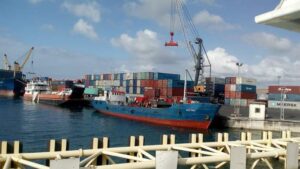
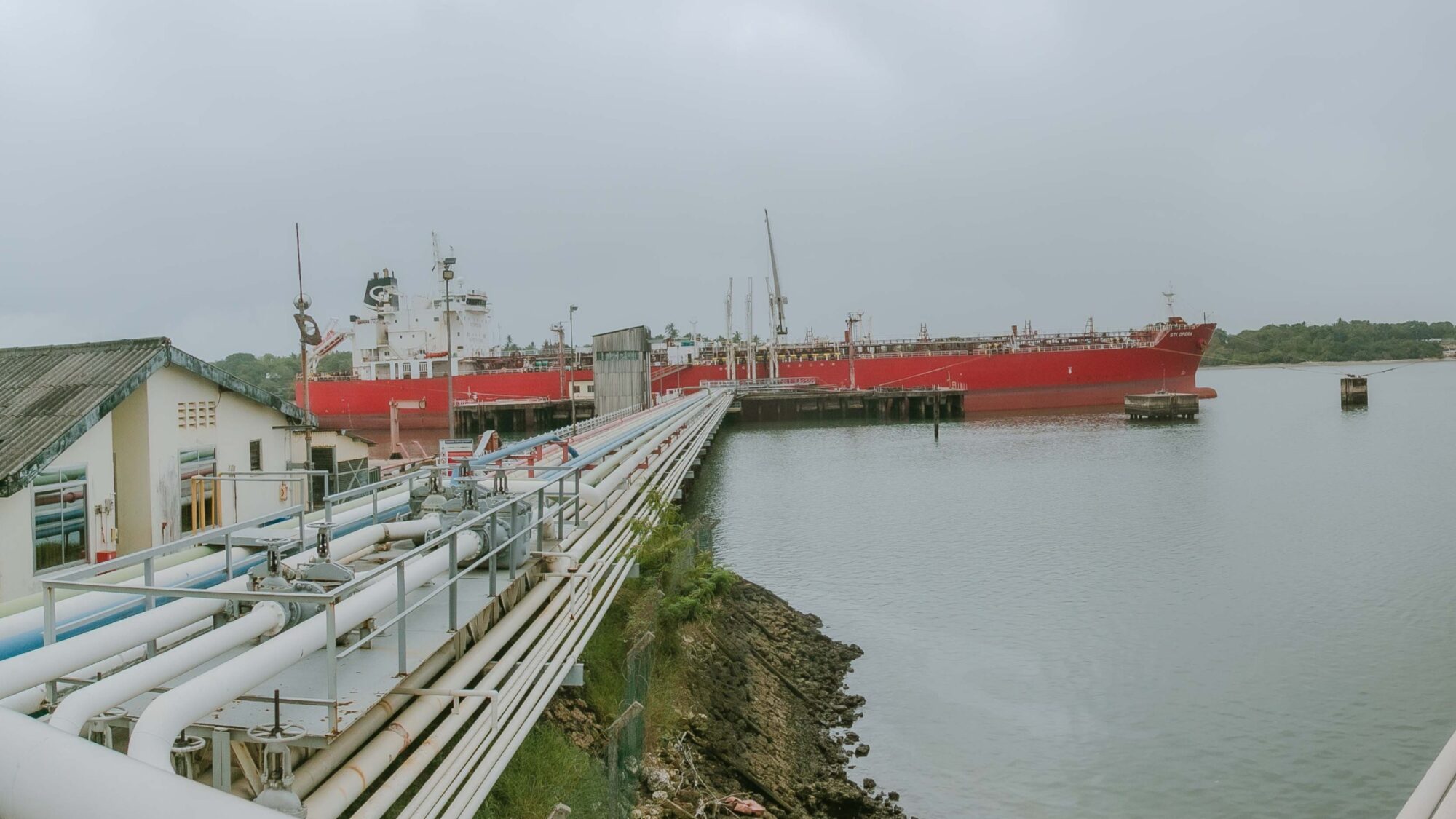
Tanzania has been named a major strategic hub for oil trade in Eastern and Southern Africa, a position bolstered by the government’s substantial investments across the petroleum supply chain – from importation and storage to distribution and transportation, both domestic and cross-border sales.
This was revealed on Thursday, 7 August 2025, by Mr. Erasto Simon, Chief Executive Officer of the Petroleum Bulk Procurement Agency (PBPA), during a press briefing in Dar es Salaam.
Mr. Simon noted that Tanzania’s oil security and pricing stability have significantly improved as a result of this investment drive, particularly through the coordination of the Bulk Procurement System (BPS) under PBPA.
Beyond infrastructure, he highlighted that these gains stem from well-integrated procurement systems and regulatory frameworks that have enabled Tanzania to emerge as the main gateway for petroleum imports serving neighbouring landlocked countries.
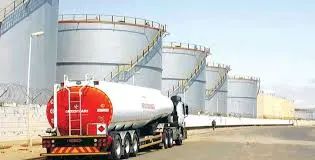
At present, the volume of petroleum products transiting through Tanzania to these nations exceeds the domestic consumption levels.
Government’s strategic role
The government’s proactive policy support – particularly through the Ministry of Energy, Ministry of Finance, Bank of Tanzania, and key regulatory agencies such as PBPA and EWURA – has created a stable environment allowing oil marketing companies to access foreign currency from commercial banks.
This has ensured the timely payment for all petroleum imports under the BPS framework.
Key policy interventions include: amending certain terms in fuel procurement contracts, allowing for the use of other foreign currencies in domestic transactions.
The government also reviewed and strengthened BPS regulatory documentation to enhance oversight of the downstream oil sector.
There are also regular audits of petroleum storage facilities to ensure compliance with safety and operational protocols.
As part of the strategy, the government also fosters inter-agency collaboration, including among TRA, EWURA, TBS, WMA, TPA, and PBPA, to improve BPS efficiency.
Undertaking regional missions to countries that rely on Tanzanian ports for oil imports, educating them on BPS operations and benefits.
Mr. Simon noted that under the administration of President Samia Suluhu Hassan, PBPA has hosted delegations from Zambia, Mozambique, Namibia, Uganda, Rwanda, Zimbabwe and Burundi to study Tanzania’s BPS model, helping these nations tackle their own petroleum supply challenges.
Key achievements
Registration of oil import companies:
The number of firms participating in fuel procurement through BPS increased from 33 in 2021 to 73 in 2025, a 121% growth.
Prequalification of suppliers:
PBPA has registered 24 suppliers in the BPS over the past four years.
Increase in oil demand from OMCs:
Annual imports under the BPS grew from 5.8 million tonnes in 2021 to 6.36 million tonnes in 2024, and are expected to reach 7.09 million tonnes by December 2025 – an overall increase of 11.4 percent.
Tender announcements:
Fuel import tenders rose from 109 in 2021 to 118 by the end of 2025, an eight percent increase over four years.
Contract management:
Contracts under the BPS system grew from 109 in 2021 to 118 in 2025, with 589 contracts successfully executed over the period.
Ship scheduling:
In coordination with the Tanzania Ports Authority, PBPA has improved scheduling of tankers delivering fuel, significantly reducing demurrage costs, saving approximately US$11.5 million (TSh29.95 billion) annually – money that previously drained foreign reserves.
Tracking fuel shipments:
Since July 2024, PBPA began tracking both BPS and non-BPS shipments, ensuring comprehensive national data on all petroleum imports.
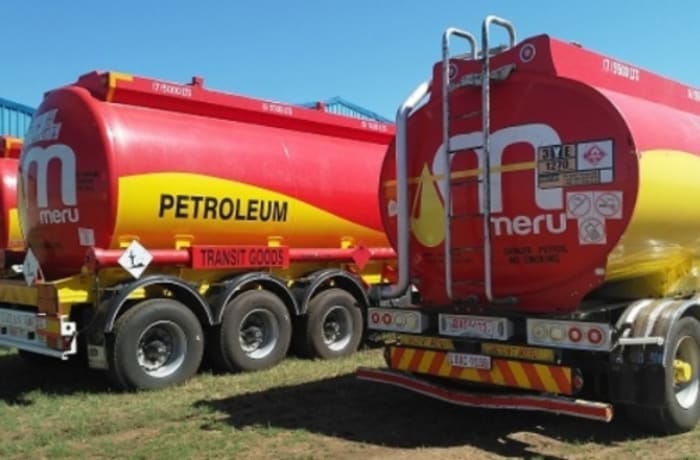
Investment in storage facilities: The number of petroleum storage depots increased from 22 in 2021 to 24 in 2025, with total storage capacity rising from 1.29 billion litres to 1.72 billion litres – a 34 percent increase. This growth has been driven primarily by major expansions in Dar es Salaam.