By Hussein Boffu
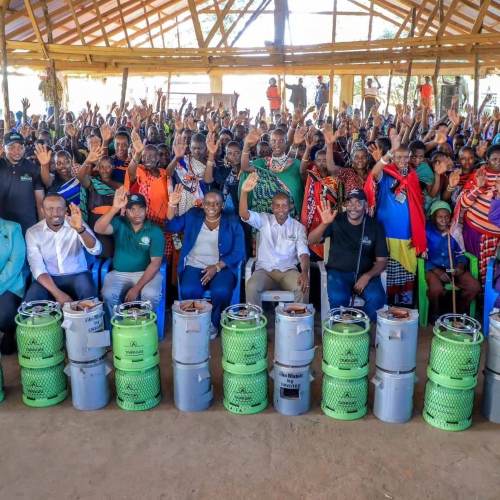
Tanzania is accelerating its transition to clean cooking, with a national target of ensuring that 80 percent of households use clean cooking solutions by 2034.
Government initiatives – including VAT relief on LPG imports, the distribution of subsidized LPG cylinders, restrictions on biomass use in institutions, and nationwide awareness campaigns – have created a supportive environment for investment and market expansion.
However, achieving this target will require more than policy interventions. Expanding access to clean cooking will depend on innovative solutions in financing, distribution, infrastructure, technology, and customer service.
For investors, LPG operators, development partners, financial institutions, and entrepreneurs, Tanzania presents significant opportunities across the clean cooking value chain. The following business models have strong potential to accelerate LPG adoption while generating sustainable commercial returns.
High-potential LPG investment opportunities
1. Pay-as-you-go LPG through mobile money
Affordability remains one of the biggest barriers preventing households from switching from charcoal and firewood to LPG.
The Pay-As-You-Go (PAYG) model addresses this challenge by allowing customers to purchase LPG in small, affordable increments through mobile money platforms such as M-Pesa, Airtel Money, and Tigo Pesa.
Under this model, households receive an LPG cylinder and stove with minimal upfront costs. An Internet-of-Things (IoT) smart valve monitors and regulates gas consumption while enabling customers to pay only for the amount of LPG they use.
By converting LPG from a large one-time expense into a manageable daily household cost, PAYG can significantly increase adoption among low-income households and accelerate progress toward national clean cooking goals.
2. LPG subscription services
Subscription-based services have become a familiar part of everyday life through mobile airtime, internet bundles, streaming services, and other digital products.
The same concept can be applied to LPG. Instead of paying cylinder deposits and purchasing refills separately, households could subscribe to monthly LPG plans ranging from TSh 20,000 to TSh 35,000, with refills delivered automatically or on demand.
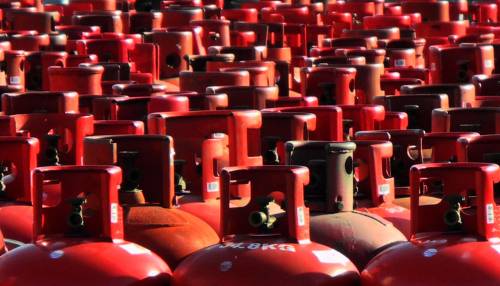
The model offers predictable energy costs for consumers while creating recurring revenue streams and stronger customer retention for LPG operators.
3. Rural energy hubs
Rural communities often require integrated energy solutions rather than a single product.
Modern energy hubs can combine LPG cylinder exchange services with solar charging facilities, mobile money services, solar appliance sales, water purification solutions, and electric motorcycle charging stations.
Such hubs create multiple revenue streams while extending access to modern energy services in underserved communities. They can also serve as catalysts for rural economic development and financial inclusion.
4. LPG reticulation systems
Rapid urbanization is creating growing demand for centralized LPG supply systems in apartments, gated communities, hotels, hospitals, schools, and commercial buildings.
Under a reticulation model, LPG is stored in a central bulk tank and distributed through a fixed pipeline network to individual users. Consumption is measured through metering systems, enabling customers to pay only for what they use.
When integrated with prepaid payment systems and IoT monitoring technology, reticulated LPG offers a safer, more convenient, and efficient alternative to individual cylinder usage.
5. Bulk LPG supply for institutions and industry
Large institutions represent one of the most attractive commercial segments for LPG suppliers.
Schools, hospitals, factories, mining operations, flower farms, breweries, food processors, and tourism facilities require reliable and cost-effective cooking or heating solutions.
Under this model, LPG is delivered in bulk through tanker trucks to on-site storage facilities under long-term supply agreements. The result is predictable demand, stable revenues, and opportunities for scale.
Government institutions participating in clean cooking programs present particularly attractive opportunities due to their size and long-term consumption needs.
6. Regional refill and distribution centres
Distribution remains one of the most critical determinants of LPG affordability and accessibility.
Strategically located Regional Refill and Distribution Centres can strengthen supply chains, reduce transportation costs, and improve product availability across the country.
Cities such as Arusha, Mwanza, Mbeya, Dodoma, and Kigoma offer strategic locations for regional distribution facilities that can serve surrounding markets and support cross-border trade within the East African Community.
By receiving LPG from coastal terminals, refilling cylinders at scale, and supplying distributors across multiple regions, these facilities can create significant economies of scale.
7. Mobile LPG refill services
Convenience is becoming an increasingly important factor in consumer purchasing decisions.
Mobile LPG refill services can deliver gas directly to households and businesses, eliminating the need for customers to travel to refill stations.
Using mobile applications, WhatsApp platforms, or USSD services, customers can schedule deliveries and make payments electronically.
The model enhances customer convenience, improves accessibility, and creates opportunities for premium service offerings in rapidly growing urban centres.
8. Smart last-mile delivery networks
The final link between LPG distributors and consumers remains one of the most important yet underserved parts of the value chain.
A franchise-based last-mile delivery network can bridge this gap by empowering local entrepreneurs to deliver cylinders directly to households and businesses.
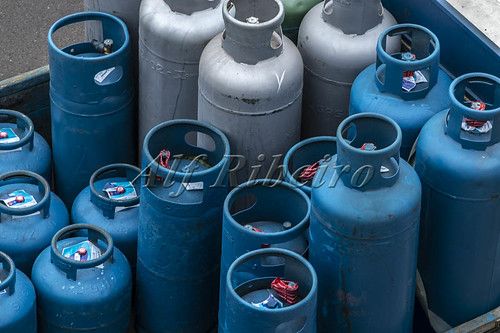
Supported by mobile applications and digital ordering platforms, these delivery agents can serve designated neighbourhoods while creating employment opportunities and improving customer service.
The model strengthens consumer confidence, increases accessibility, and supports broader LPG adoption.
Looking beyond 2034
The transition to clean cooking is not only an environmental and public health priority – it is also a significant economic opportunity.
Increased LPG adoption can reduce pressure on forests, improve health outcomes, create employment, stimulate investment in manufacturing and logistics, and strengthen energy security.
Achieving Tanzania’s clean cooking ambitions will require business models that make LPG affordable, accessible, reliable, and convenient for households and institutions across the country.
With supportive government policies, growing consumer awareness, and rising demand for modern energy solutions, Tanzania’s LPG sector is well positioned for sustained growth. Investors, innovators, and industry stakeholders who act early will play a critical role in shaping the country’s clean cooking future.
Hussein Boffu is an energy consultant specializing in feasibility studies, strategic advisory, and project development across the petroleum and energy sectors.
Email: hussein.boffu@tanzaniapetroleum.comPhone: +255 655 376 543