
By Business Insider Correspondent, Mbeya
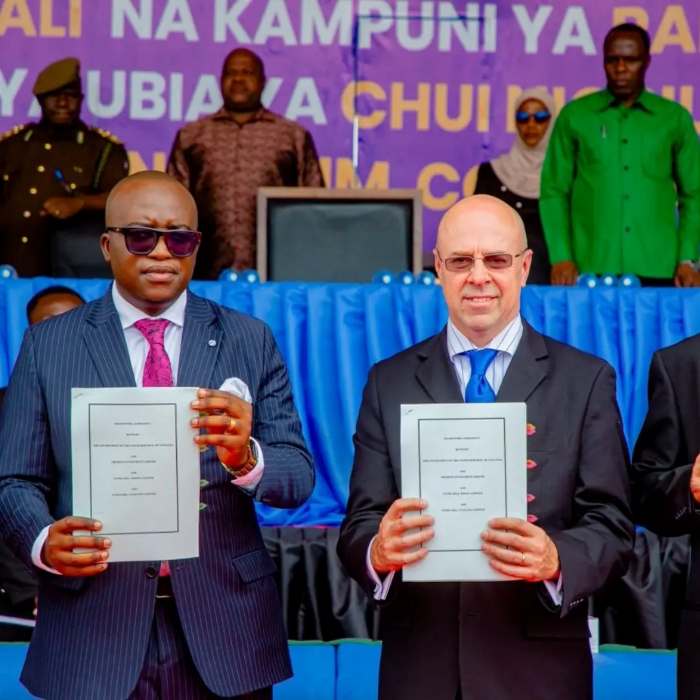
Tanzania has taken a strategic leap into the global rare earths economy with the signing of a landmark Large‑Scale Mining Agreement with Panda Hill Tanzania Limited to develop the Panda Hill Niobium Project.
The agreement, signed on March 24, 2026, marks the first major niobium production venture in East and Central Africa, positioning Tanzania as a new entrant in a market historically dominated by Brazil and a few other producers.
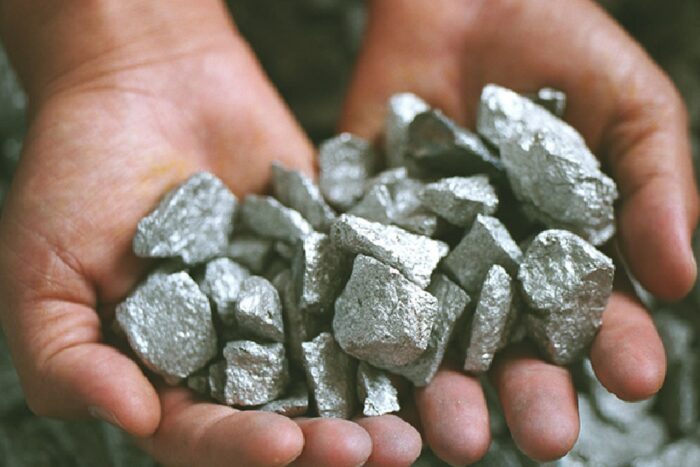
Niobium, a rare metal essential for manufacturing high‑strength steel alloys used in infrastructure, automotive, aerospace, and energy sectors, has become a strategic resource in global industrial supply chains. Brazil currently accounts for 80–90 percent of global niobium supply, with smaller contributions from Canada and other producers.
The Panda Hill project is expected to change this dynamic, targeting 100,000 tonnes of annual niobium production – approximately four percent of global demand – and potentially propelling Tanzania into the ranks of the world’s top producers.
Strategic national imperative
The niobium agreement aligns with Tanzania’s 2025–2050 development vision and directives from President Samia Suluhu Hassan to prioritise value addition over raw mineral exports.
Policy makers see the project as a catalyst for deeper industrialisation, economic diversification, and enhanced integration into global value chains.
“The Panda Hill project is more than a mining development – it is a transformative industrial venture,” said Pierre Joubert, General Manager of Panda Hill Tanzania Limited. “With the construction of both the mine and Africa’s first ferroniobium processing plant, Tanzania is poised to compete meaningfully in global strategic mineral markets.”
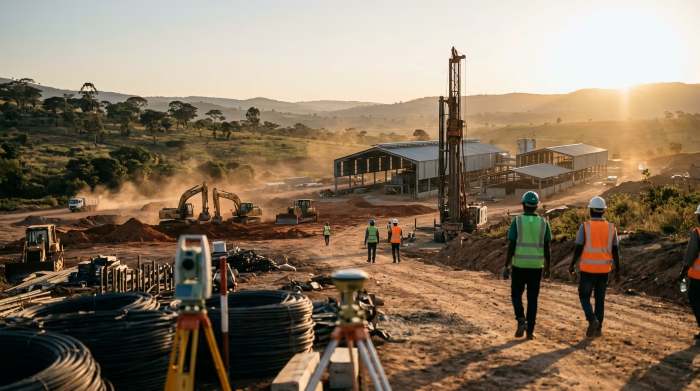
The construction of a ferroniobium plant – only one of a handful in the world – places Tanzania on the value chain’s higher rungs, enabling the country to export finished high‑value products to markets across Africa, Asia, Europe, and the United States.
Economic and industrial impact
The economic implications for Tanzania’s mining sector are substantial:
Local procurement: An estimated US$1.77 billion worth of goods and services will be sourced locally, creating demand across the domestic supply chain.
Job creation: The project is expected to generate 1,600 direct jobs during construction and 600 permanent positions thereafter, with more than 7,000 indirect jobs projected in allied sectors.
Infrastructure investment: Located in the Songwe Agricultural Prison area, the project will catalyse infrastructure development, supported by community investment exceeding Sh16 billion for housing, education, health, and social facilities—enhancing socio‑economic conditions in the region.
Government participation: Under the agreement, the government holds a 16 percent free carried interest—a non‑dilutable equity stake that ensures national participation in both governance and future earnings from the venture.
Sectoral transformation drivers
For Tanzania’s mining industry, the Panda Hill niobium deal introduces several critical shifts:
- Value addition over resource exportation
The emphasis on processing within Tanzania marks a strategic departure from the historical trend of exporting raw minerals. Domestic steel alloy production and export of ferroniobium create higher value capture, advancing industrial policy goals.
- Supply chain localization and linkages
With local procurement requirements and infrastructure build‑out, the project stimulates demand for logistics, engineering, construction, and professional services, strengthening the upstream and downstream segments of the mining sector.
- Skills development and technology transfer
The project’s scale will require specialised skills and modern processing technologies, encouraging partnerships between global technology providers and Tanzanian institutions, and fostering workforce upskilling.
- Positioning within global strategic markets
By targeting key markets such as the United States, the Panda Hill project enhances Tanzania’s credibility as a reliable supplier of critical minerals, opening doors for future investments and partnerships in adjacent strategic metals like graphite, lithium, and rare earth elements.
Policy and regulatory implications
The negotiation and approval of the Panda Hill agreement also signal a maturing mining governance regime in Tanzania.
The government’s insistence on local participation, value addition, and community benefits reflects a holistic approach to resource management that balances investor incentives with national development priorities.
Treasury Registrar Nehemiah Mchechu and Deputy Attorney General Samwel Maneno underscored the government’s commitment to transparent, mutually beneficial resource contracts, further positioning Tanzania as an emerging hub for critical minerals in Africa.
Strategic minerals as a growth frontier
With this historic deal, Tanzania transitions from a peripheral player to a competitor in the global niobium market. The Panda Hill project not only reshapes the country’s mining landscape but also sets a precedent for future strategic mineral investments, reinforcing Tanzania’s long‑term ambition to become a regional industrial leader and a vital node in global mineral supply chains.
For investors, industry stakeholders, and policy makers, the Panda Hill deal underscores a pivotal moment: Tanzania is not merely exporting minerals – it is transforming them into industrial and economic opportunity. If you’d like, I can also provide data visualisations or an executive summary slide deck that highlights the financial, employment, and global market implications of the Panda Hill niobium project for publication or stakeholder briefings.