By Business Insider Reporter, Dodoma
The Ministry of Finance is stepping up efforts to encourage wider public participation in government auctions, positioning the disposal of obsolete and surplus public assets as both a transparency tool and a source of revenue generation for the state.
The initiative comes as Tanzania continues to strengthen public asset management systems aimed at improving accountability, reducing waste, and maximizing value from government-owned resources that have reached the end of their useful life.
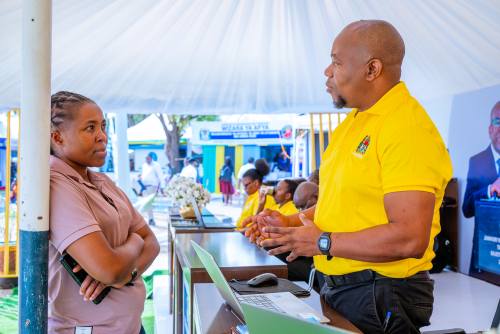
Speaking during the ongoing 2026 Public Service Week exhibitions at Chinangali Park in Dodoma, Senior Government Assets Manager George Killo said citizens should take advantage of opportunities presented through public auctions of government assets conducted by the Ministry of Finance through its Government Assets Management Department.
According to Mr. Killo, assets that become obsolete, worn out, surplus to requirements, or no longer useful to public institutions are disposed of through established legal and regulatory procedures before being offered to the public through open auctions.
“We encourage citizens to closely follow official auction announcements published through various media platforms and government systems so they can obtain accurate information about the assets on sale, participation requirements and auction schedules,” he said.

The government regularly disposes of a wide range of assets, including vehicles, machinery, office equipment, furniture and other public property that can no longer be efficiently utilized by government institutions. Such disposals are part of broader public financial management reforms designed to ensure that government resources are managed throughout their lifecycle in a cost-effective manner.
Supporting transparency and competition
Killo noted that greater public participation strengthens competition during the auction process, improves transparency in the disposal of public assets and ultimately enhances revenue collection.
Proceeds generated from these auctions are channelled into the Public Servants Advance Fund (PSAF), which supports various financing needs within the public service sector.
“The auction process is guided by principles of fairness, transparency and equal opportunity. Any citizen who meets the established requirements is free to participate,” he explained.
Public auctions have increasingly become an important component of government asset management globally, allowing governments to recover residual value from assets while ensuring public oversight of disposal processes.
In Tanzania, the Government Assets Management Department has in recent years intensified efforts to educate both public institutions and citizens on proper asset management practices, including acquisition, maintenance, inventory control and disposal.
Building public awareness
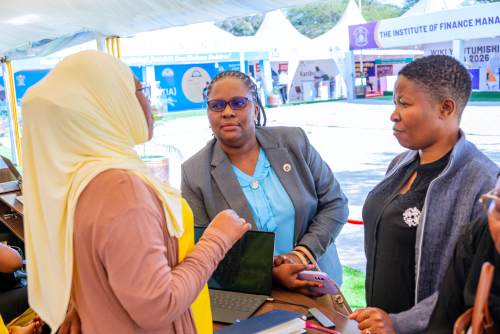
The Ministry’s participation in Public Service Week is part of a broader campaign to improve public understanding of government operations and services. Visitors to the Ministry’s exhibition booth have been receiving information on asset management, budget implementation, public finance reforms and investment opportunities.
Several citizens attending the exhibitions welcomed the government’s outreach efforts, saying the information had helped them better understand the opportunities available through state auctions.
Many noted that they were previously unaware of the procedures involved or the types of assets that become available for public purchase.
Photos: Government Communications Unit, Ministry of Finance, Dodoma.
The growing awareness campaign reflects a wider government objective of increasing citizen participation in public affairs while promoting accountability in the management of state resources.
As Tanzania advances reforms in public financial management and governance, officials believe that a more informed public can play an important role in ensuring transparency while also benefiting from opportunities created through the orderly disposal of government assets. By opening state auctions to broader public participation and improving access to information, the Ministry of Finance hopes to transform what was once viewed as an administrative exercise into a more competitive, transparent and economically beneficial process for both government and citizens.