
By Business Insider Reporter
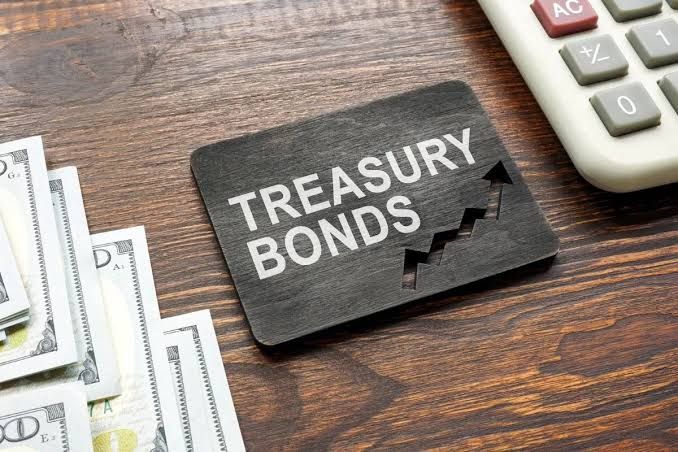
Government securities sustained significant trading activity at the Dar es Salaam Stock Exchange (DSE) during the first half of November, offering an important counterbalance to declining equity valuations as investors continued to seek opportunities in the fixed-income market.
Secondary-market transactions in government bonds reached an estimated TSh383.7 billion by November 13, highlighting the continued importance of Treasury securities in Tanzania’s capital markets despite the correction affecting listed shares.
The November performance follows stronger activity in the preceding months. Government bond transactions increased from TSh428.73 billion in September to TSh644.27 billion in October, representing an increase of about 50 per cent.
The latest figures suggest that demand for government securities remains relatively strong, even as the equity market experiences sustained selling pressure.
By November 13, outstanding government bonds had increased to nearly TSh34.6 trillion from about TSh34.3 trillion at the end of October, reflecting the continued expansion of the market.
Investor appetite for longer-term government securities was also demonstrated in the October 28 Treasury bond auction, which attracted bids worth about TSh1.03 trillion against an offer of TSh363 billion.
The government accepted TSh336.6 billion at a weighted average yield to maturity of 10.52 percent, indicating substantial investor interest in the 20-year instrument.
Stock analysts said the strong response reflects the attraction of government securities to investors seeking relatively predictable returns, opportunities for portfolio diversification and exposure to longer-term financial instruments.
The bond market’s resilience contrasts with the performance of equities. The DSE All Share Index declined by nearly five percentnt in October and lost a further 2.2 percent by November 13, following September’s positive performance.
Beyond government securities, Tanzania’s corporate debt market is also contributing to the diversification of investment opportunities.
Outstanding corporate bonds stood at about TSh613.15 billion on November 13, while sukuk bonds reached TSh320.73 billion. Sustainable bonds accounted for approximately TSh531.39 billion, with infrastructure bonds standing at TSh323.09 billion.
“These instruments are gradually broadening the range of financing options available to businesses and institutions while providing investors with alternatives to conventional government securities and listed shares,” a stock broker told Business Insider.
The development of sukuk is particularly significant for the growth of Islamic finance, offering opportunities to mobilise investments in accordance with Shariah principles. Sustainable bonds, meanwhile, provide additional avenues for financing projects with environmental and social objectives.
The growing diversity of fixed-income instruments signals a gradual transformation of Tanzania’s capital markets from one heavily associated with government securities and equities towards a broader financing ecosystem. However, expanding corporate bond issuance and attracting more private-sector borrowers will be important in deepening the market and reducing its dependence on government borrowing.