By Regional Correspondent & Agencies
A breakthrough framework agreement between the United States and Iran to end military hostilities and reopen the strategic Strait of Hormuz is set to send positive shockwaves through East African economies. The region, which has been battered by soaring fuel costs and import inflation over the last four months, stands to gain significantly from the stabilization of global oil markets.
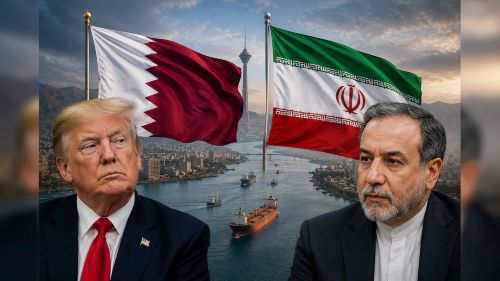
The announcement was made jointly by US President Donald Trump and Iranian officials, following intensive mediation facilitated in part by Pakistani Prime Minister Shehbaz Sharif.
“The Deal with the Islamic Republic of Iran is now complete,” Trump stated, confirming he has authorized the removal of the US Naval blockade. “Ships of the World, start your engines. Let the oil flow!”
The official signing ceremony is scheduled to take place this Friday in Switzerland.
Direct impact on East African markets: Fuel and inflation
For East African nations – particularly net oil importers like Kenya, Tanzania, Uganda, and Rwanda – the reopening of the Strait of Hormuz is a massive sigh of relief. The waterway is a vital global artery through which 20 percednt of the world’s petroleum passes.
Following the announcement, global oil benchmarks reacted sharply:
US Crude: Tumbled over 4.5 percent to US$80 per barrel.
Brent Crude: Dropped by roughly 4 percent to touch US$83 per barrel.
While oil prices still remain 40 percent higher than at the beginning of the year due to the conflict, this downward correction is expected to ease pressure on local pump prices.
For East African central banks, which have been battling persistent imported inflation and depreciating local currencies due to high dollar-denominated fuel import bills, this truce could signal a period of monetary stabilization. Lower energy costs will directly reduce manufacturing and transport logistics costs along the Northern and Central transport corridors.
Anatomy of the 14-point memorandum
According to drafts leaked by Iranian state-affiliated media, the framework rests on a 14-point Memorandum of Understanding (MoU).
THE 60-DAY WINDOW
│
┌─────────────────────────┴─────────────────────────┐
▼ ▼
IMMEDIATE ACTIONS FINAL NEGOTIATIONS
───────────────────────────── ──────────────────────────────
• Lift US Naval Blockade • Focus on Nuclear Development
• Reopen Strait of Hormuz • Map Out Reconstruction Plans
• Unfreeze $12B of $24B Assets • Address Remaining Sanctions
Key economic and political pillars of the draft include:
Sanctions Relief: The partial lifting of US oil and financial sanctions on Tehran.
Asset Unfreezing: The phased release of US$24 billion in frozen Iranian funds, with US$12 billion unlocked before final negotiations commence.
Nuclear Commitments: Iran will reaffirm its commitment to the Nuclear Non-Proliferation Treaty to abstain from manufacturing nuclear weapons.
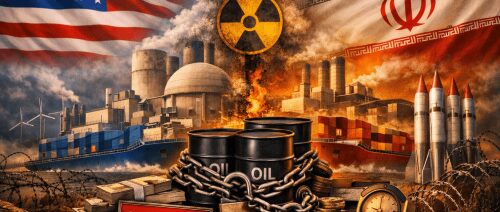
Final negotiations are bound to a strict 60-day window, focusing heavily on long-term regional stability, reconstruction, and international oversight. Notably, the current draft excludes discussions regarding Iran’s missile program.
The Geopolitical Wildcard: The Israeli factor
Despite the optimism on global trade floors, regional analysts warn that the deal faces a fragile road to implementation. The agreement was finalized amidst ongoing friction, including recent military strikes in Lebanon that drew criticism from both Tehran and Washington.
Israel’s stance remains a critical variable for global market stability. Israeli Defense Minister Israel Katz stated that forces would remain in seized territories in Lebanon, Gaza, and Syria “indefinitely,” warning of immediate retaliation should Iran launch any counter-operations.
However, in a sign of diplomatic maneuvering, Israeli Prime Minister Benjamin Netanyahu is reportedly seeking an urgent meeting with President Trump to discuss the parameters of the peace deal.
Looking ahead For East African businesses, the next 30 days will be critical to watch as the shipping lanes in the Gulf are cleared of potential maritime hazards and logistics networks reset. If the ceasefire holds through Friday’s formal signing in Switzerland, the region can expect a welcome reprieve from the supply-chain shocks that have defined the first half of the year.