By Peter Nyanje
The global economy is once again navigating turbulent waters.
A recent World Bank report reveals that rising trade tensions, persistent policy uncertainty, and declining foreign investment are undermining the growth prospects of developing countries, including Tanzania.
With global growth projected to slow to just 2.3% in 2025, these nations face mounting challenges in reducing poverty and achieving sustainable development.
For Tanzania and its peers in Sub-Saharan Africa, the economic slowdown could not come at a worse time.
After years of shocks from the COVID-19 pandemic and the Russia-Ukraine conflict, many developing economies are still struggling to regain their pre-crisis momentum.
The latest downturn threatens to stall progress in critical areas such as job creation, income growth, and infrastructure development.
According to the Global Economic Prospects (June 2025) report, the capacity of emerging markets and developing economies (EMDEs) to close the per capita income gap with wealthier nations is weakening.
This is partly due to reduced foreign direct investment (FDI), which has fallen to less than half of its peak in 2008.
The report warns that FDI is likely to remain subdued for the foreseeable future.
For Tanzania, where private investment and external funding play a vital role in sectors like infrastructure, agriculture, and energy, this downturn in global capital flows could derail key development projects.
Without robust FDI, the country may struggle to finance initiatives under its Development Vision 2030.
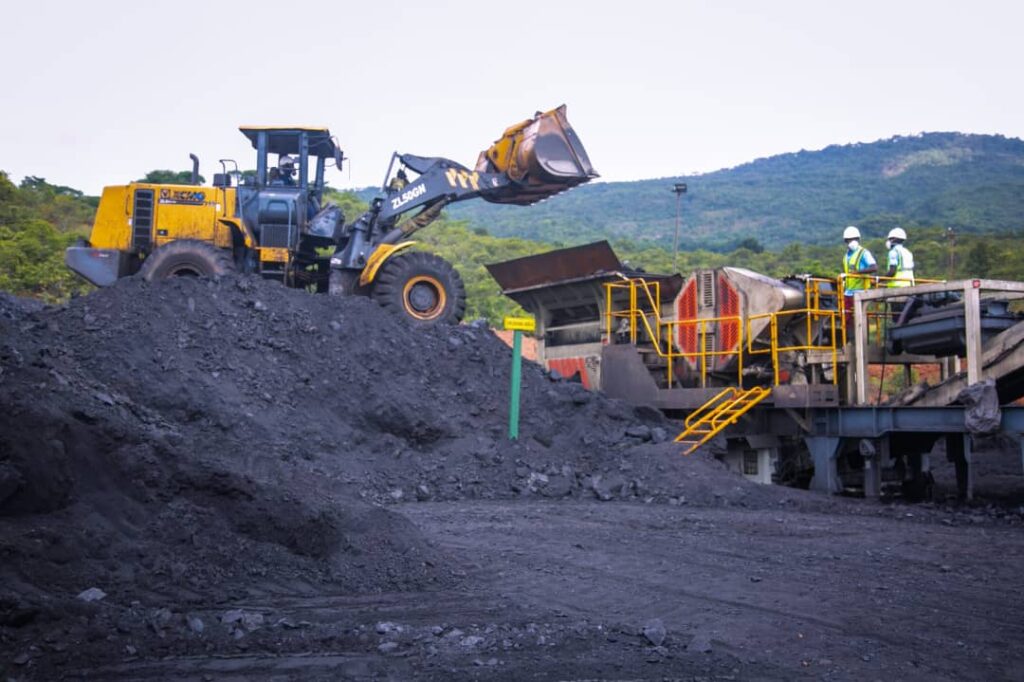
The report underscores how global trade disputes are dampening demand for exports, particularly from commodity-dependent regions such as Sub-Saharan Africa. As an exporter of gold, agricultural products, and other resources, Tanzania is especially vulnerable to fluctuations in external demand.
A slowdown in China or Europe – major trading partners – would ripple through the Tanzanian economy.
Adding to the pressure is the threat of rising inflation. Global supply chain disruptions and food price volatility are pushing up costs. Although Tanzania’s inflation has remained relatively stable compared to some peers, any sustained increase could erode household purchasing power and push more citizens below the poverty line.
Another concern is the rising cost of servicing public debt. With interest rates elevated globally, Tanzania – like many developing countries – may find it increasingly difficult to finance its obligations without diverting funds from essential services such as health, education, and rural development.
The World Bank emphasises the importance of strengthening domestic policy responses.
For Tanzania, this means improving revenue collection, eliminating wasteful spending, and ensuring that public resources are allocated to high-impact areas.
The government’s efforts to digitize tax systems and expand the tax base are steps in the right direction but will need to be intensified.
Structural reforms are also crucial. The report calls on EMDEs to raise institutional quality, attract private capital, and enhance human capital through better education and health services.
In Tanzania’s case, reforming land laws, improving the business climate, and investing in technical and vocational training could significantly boost productivity and job creation.
The labor market, particularly for youth and women, remains underutilized in many African countries.
In Tanzania, where nearly 800,000 youths enter the job market each year, the lack of sufficient employment opportunities poses a serious social and economic risk. More inclusive labor policies and support for small and medium enterprises (SMEs) are urgently needed.
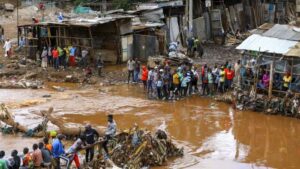
Climate change is another compounding risk. Tanzania faces recurring droughts and floods that affect agriculture and livelihoods.
The global economic slowdown limits the resources available to invest in resilience and climate-smart agriculture. International support and climate financing must be scaled up to help vulnerable countries adapt.
The report notes that countries in fragile and conflict situations (FCS) are especially at risk. While Tanzania is politically stable, it is surrounded by several nations facing conflict and economic distress. Regional instability can spill over into Tanzania through refugee inflows, trade disruptions, and security threats.
Multilateral cooperation is critical to navigate this challenging landscape. The World Bank urges global leaders to resolve trade tensions and support reforms in developing countries.
Tanzania could benefit from increased concessional financing, technical assistance, and access to global markets if such cooperation materialises.
Despite the gloomy outlook, opportunities remain. The African Continental Free Trade Area (AfCFTA), if effectively implemented, could help offset some of the external shocks by boosting intra-African trade and investment.
Tanzania’s strategic location and natural resource base position it well to benefit from such regional integration.
Ultimately, the trajectory of Tanzania’s economy will depend on how quickly it adapts to the shifting global environment. Strong domestic leadership, sound economic management, and strategic international partnerships will be essential to safeguard gains and continue the path toward middle-income status. As the global economy slows, resilience and reform will be the watchwords for developing countries.