
By Business Insider Reporter
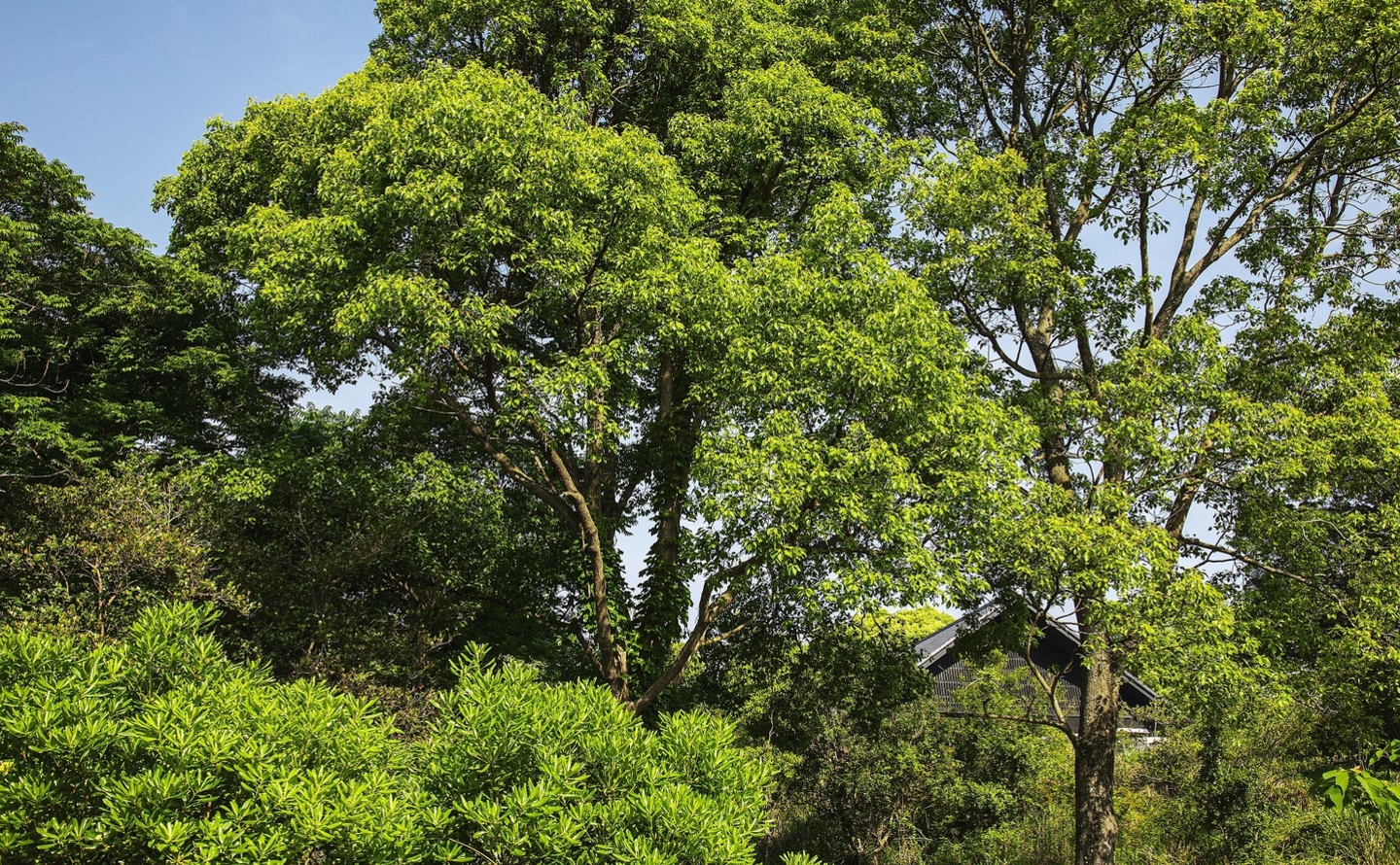
Deep within Tanzania’s Eastern Arc and Usambara Mountains, where mist clings to towering trees and birdsong breaks the silence of dawn, lie some of Africa’s most biologically rich but least explored landscapes.
Once threatened by deforestation, illegal mining, and encroachment, these forests are now emerging as the next frontier for eco-tourism.
On this year’s World Tourism Day, Tanzania Forest Services (TFS), together with the Government of Tanzania, UNDP, and the Global Environment Facility (GEF), spotlighted the transformation of these reserves from vulnerable ecosystems into thriving destinations that protect biodiversity, support local communities, and attract global travellers.
Amani: The forest of forgiveness

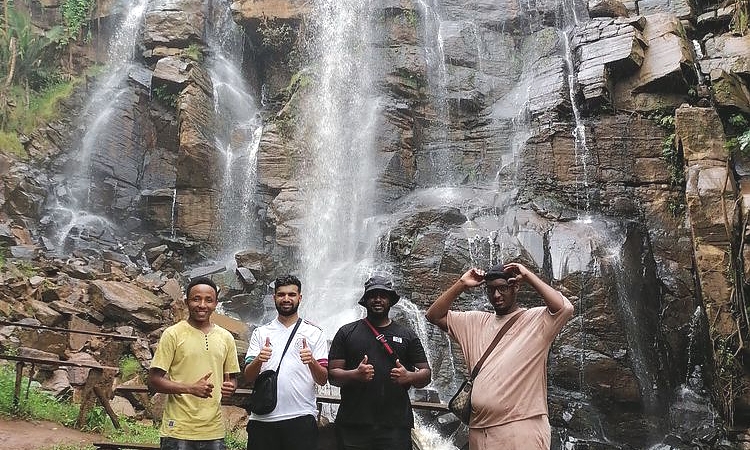
Amani Nature Reserve in Tanga is a jewel of biodiversity. Famous for the rare African violet flower, cascading waterfalls, and more than 340 bird species, Amani blends science, culture, and eco-tourism.
Visitors can stroll through East Africa’s oldest botanical garden, sample spice teas, or discover colonial-era relics hidden among the trees.
Once scarred by illegal gold mining, Amani is now protected by new ranger posts and eco-friendly patrol systems.
Local communities have embraced sustainable livelihoods like beekeeping, which generates more than US$1.7 million annually in honey and beeswax sales across Tanzania. For visitors, Amani is not just a forest – it is a lesson in resilience, culture, and natural beauty.
Pugu Kazimzumbwi: The lungs of Dar es Salaam
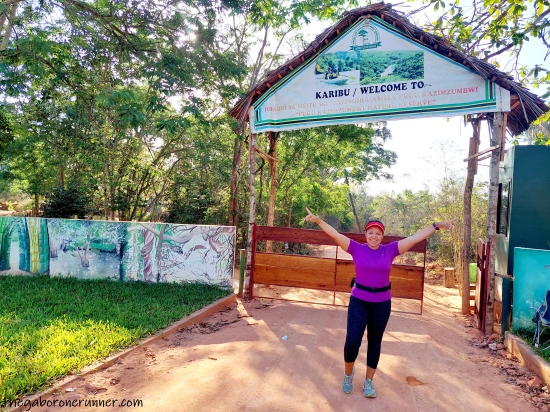
Just 20 kilometres from Dar es Salaam, Pugu Kazimzumbwi offers city dwellers a breath of fresh air.
This lowland coastal forest, often described as the “lungs of the city,” is quickly becoming a hotspot for eco-tourism.
Thanks to new facilities such as bandas, picnic sites, and rehabilitated trails, the forest now hosts marathons, family outings, and cultural ceremonies. Visitors explore mystical bat caves, towering bamboo groves, and sacred sites while enjoying panoramic views of the city.
Rangers, once overwhelmed by illegal charcoal burning, now balance protection with visitor engagement. As one ranger explained: “We are not only safeguarding the forest but also welcoming people to experience its healing power.”
Magamba: Where history meets nature
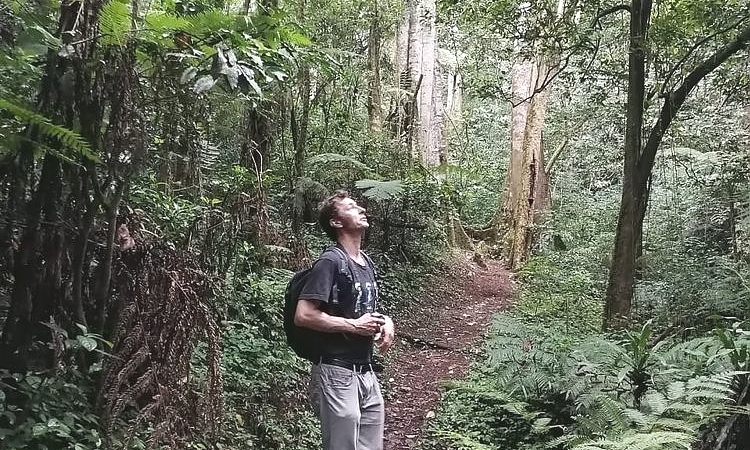
In the cloud-kissed Usambara Mountains lies Magamba, a reserve where history and nature intertwine. Trails lead to a German colonial cave, ancient rock formations, and rare two-horned chameleons.
Beyond natural wonders, Magamba offers cultural immersion through homestays, traditional cuisine, and storytelling by local elders. For tourists seeking both scenery and heritage, Magamba delivers a unique fusion of eco-tourism and community engagement.
Lake Duluti: A cradle of calm
On the safari circuit in Arusha, Lake Duluti’s emerald crater waters are framed by lush forests that host monitor lizards, green mambas, and over 100 bird species. Visitors canoe across tranquil waters or hike trails with views of Mount Meru and Kilimanjaro.
TFS, with UNDP and GEF support, is developing eco-friendly tented camps to enhance visitor experiences without disrupting the lake’s delicate ecosystem. Duluti is poised to become a must-visit stop for safari-goers seeking peace between adrenaline-filled adventures.
The business of forest tourism
Eco-tourism in Tanzania’s forest reserves is still nascent, but the potential is enormous.
With 25 gazetted reserves, opportunities for canopy walkways, eco-lodges, cultural tours, and scientific tourism are untapped markets for investors.
TFS has opened the door for private sector partnerships, offering concessions that balance profitability with conservation.
Already, investments in beekeeping, spice farming, and small-scale tourism ventures are reshaping livelihoods. Local communities are seeing new jobs, diversified incomes, and greater incentives to conserve rather than exploit forests.
A future of green tourism
As Tanzania rebrands itself on the global tourism map, its forest reserves represent more than hidden gems – they are the country’s next eco-tourism frontier.
By aligning conservation with economic growth, Tanzania is showing that protecting nature can pay dividends for both people and the planet.
For travellers, these forests are more than destinations; they are classrooms of biodiversity, sanctuaries of culture, and living museums of resilience. For local communities, they are sources of income, identity, and pride. And for the nation, they are symbols of a sustainable future. Or, as one Amani beekeeper put it: “The forest gives us honey, shade, and stories. Now it also gives us visitors who value what we’ve always known – this place is priceless.”