
By Business Insider Reporter
European Union has committed €100,000 (approximately TSh 280 million) in emergency humanitarian funding to support communities affected by devastating floods and landslides in Tanzania’s southern highlands, a move that underscores the rising economic and environmental cost of climate-related disasters in the country.
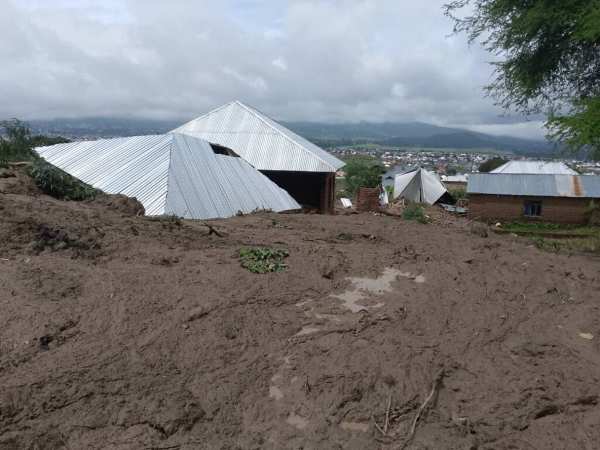
The funding will be channelled through the Tanzania Red Cross Society to deliver immediate relief to affected households in Mbeya’s Rungwe and Kyela districts, where heavy rains between March 25 and 26 triggered widespread destruction of homes, infrastructure, and livelihoods.
The disaster, which claimed at least 20 lives and displaced around 600 people, has exposed vulnerabilities in rural infrastructure and disaster preparedness systems, particularly in high-risk agricultural zones. The hardest-hit wards – Nkunga, Lupepo, Kawetele, and Ikuti – experienced severe landslides and flash floods that cut off road access, disrupted supply chains, and destroyed productive farmland.
Beyond the immediate humanitarian toll, the floods have delivered a sharp economic shock to local communities. Farming households, which dominate the region’s economy, have suffered crop losses and reduced incomes, threatening food security and rural stability.
Temporary shelters, many set up in schools, are grappling with overcrowding, limited access to clean water, and poor sanitation – conditions that heighten the risk of disease outbreaks and further strain local health systems.
The EU-funded intervention will prioritise essential services, including emergency shelter, water and sanitation, healthcare, and hygiene support, with a focus on protecting vulnerable groups and strengthening community-level resilience. The programme is expected to reach more than 2,600 people over a three-month period ending in July 2026.
This contribution forms part of the EU’s broader support to the International Federation of Red Cross and Red Crescent Societies Disaster Response Emergency Fund (DREF), a rapid financing mechanism designed to respond to small- and medium-scale disasters that do not trigger large international appeals.
From a business and policy perspective, the intervention highlights a growing imperative for Tanzania to integrate climate resilience into its development planning. Extreme weather events – ranging from floods to droughts – are increasingly disrupting economic activity, damaging infrastructure, and imposing unplanned fiscal pressures on government and development partners.
For investors and policymakers, the Mbeya floods reinforce the importance of climate-proofing infrastructure, particularly in agriculture-dependent regions.
Roads, irrigation systems, and storage facilities remain highly exposed to climate shocks, affecting not only local livelihoods but also national supply chains and export potential.
The EU’s rapid response also reflects a broader shift in development finance, where humanitarian assistance is increasingly linked to long-term resilience building. As Tanzania advances its industrialisation and agricultural transformation agenda, aligning infrastructure investment with climate adaptation strategies will be critical to safeguarding growth. Ultimately, while the €100,000 allocation provides immediate relief, it also serves as a signal of the urgent need for more robust disaster risk management systems. With climate variability intensifying, the cost of inaction is likely to rise – making resilience not just a humanitarian priority, but an economic necessity.