
By Business Insider Reporter
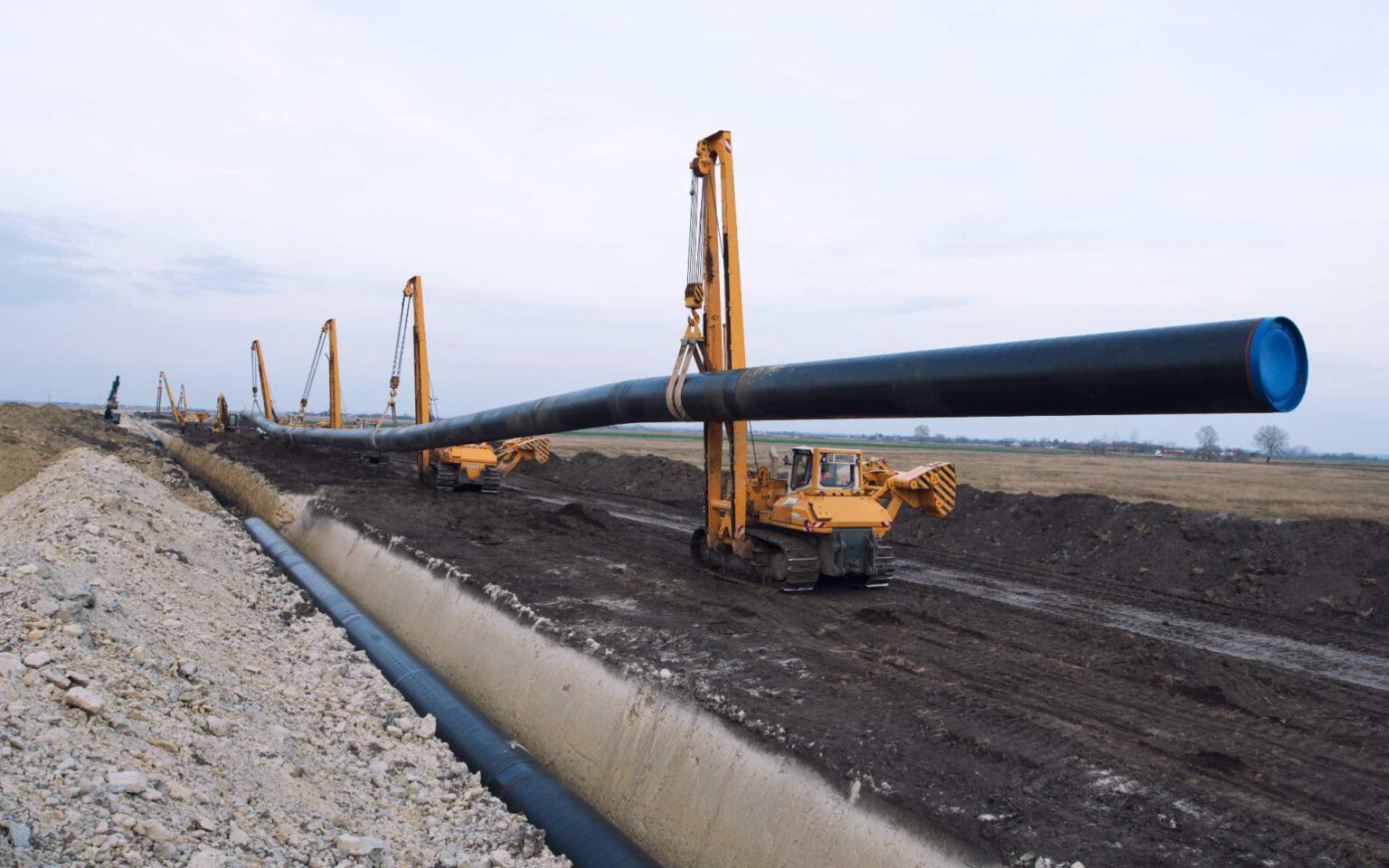
The East African Crude Oil Pipeline (EACOP), also known as the Uganda–Tanzania Crude Oil Pipeline (UTCOP), has crossed the halfway mark in its construction, marking a significant step toward reshaping East Africa’s energy and trade landscape.
Backed by more than US$5 billion in investment, the project is set to become the world’s longest heated pipeline upon completion.
Stretching 1,443 kilometers from Uganda’s Lake Albert oilfields to Tanzania’s Tanga Port on the Indian Ocean, the pipeline is expected to unlock major economic opportunities for both countries and the wider region.
Tangible returns already flowing
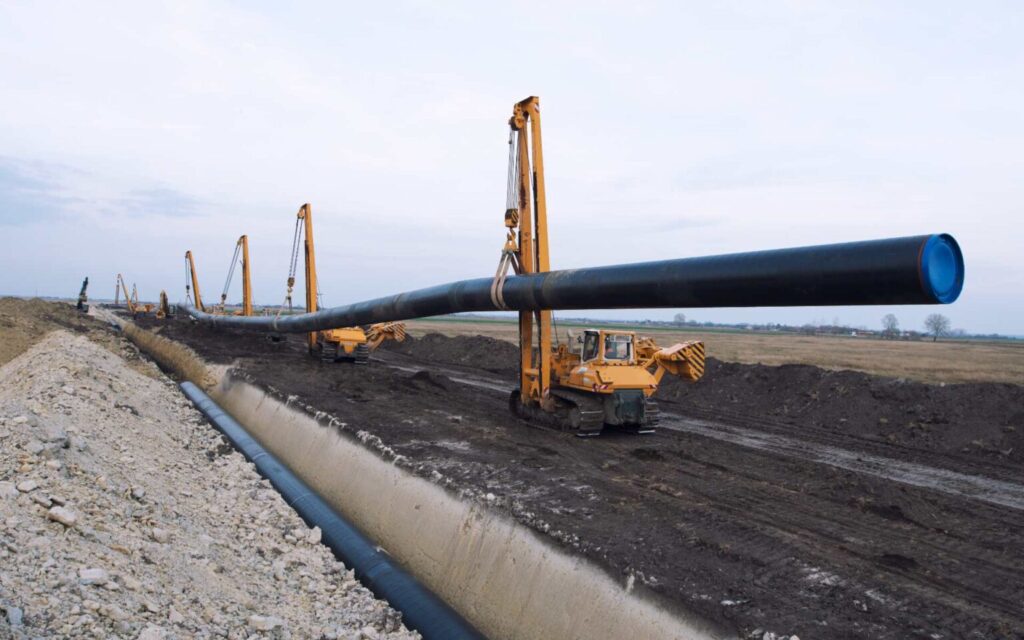
According to Tanzania’s Energy Ministry, the project has already injected US$19.5 million into the country’s revenue through taxes and levies, while employing more than 1,200 Tanzanians in construction and support services.
For Uganda, the pipeline promises to open its landlocked oil reserves to global markets for the first time, catalyzing long-term infrastructure and energy sector investments.
“The government is pleased with the progress and remains committed to ensuring timely completion,” said Ms. Neema Mbuja, spokesperson for Tanzania’s Energy Ministry. “EACOP is more than a pipeline; it is a strategic asset that will transform trade and energy security in our region.”
A High-Stakes Joint Venture
The pipeline is being developed through a joint venture led by:
- TotalEnergies SE – 62 percent
- Uganda National Oil Corporation (UNOC) – 15 percent
- Tanzania Petroleum Development Corporation (TPDC) – 15 percent
- China National Offshore Oil Corporation (CNOOC) – 8 percent
The project’s scale and complexity have drawn in diverse partners, including international financiers, African lenders and regional contractors. For Tanzania, hosting the export terminal at Tanga positions the country as a new strategic node in global crude oil supply chains.
A catalyst for regional business growth
Business analysts say EACOP could stimulate industries far beyond oil and gas.
Local suppliers in logistics, steel, cement, hospitality, and professional services are already benefitting from contracts linked to the project.
Once operational, the pipeline is expected to trigger investment in industrial parks, refineries, and power generation.
“EACOP is as much about unlocking ancillary businesses as it is about exporting oil,” said Dr. Salim Kombo, an independent energy economist based in Dar es Salaam. “Transport, manufacturing, and services sectors will all feel the impact, particularly small and medium enterprises supplying to the pipeline ecosystem.”
Balancing opportunity with risk
Despite its promise, EACOP faces scrutiny from environmental groups and financiers concerned about the climate impact of new oil projects.
Standard Bank and other lenders have defended their involvement, arguing that the project balances development needs with environmental safeguards.
For Uganda and Tanzania, the economic calculus is clear: the pipeline is projected to deliver billions in revenue over its lifespan, creating fiscal space for infrastructure and social investments.
Looking ahead
Mechanical works are expected to be finalized by mid-2026, with first oil exports anticipated shortly thereafter.
If timelines hold, EACOP will not only cement Tanzania and Uganda’s positions in the global energy market but could also encourage similar cross-border infrastructure collaborations in East Africa.
“As we hit the halfway mark, this project is a symbol of East Africa’s determination to take control of its resources and chart its development path,” Ms. Mbuja noted. For businesses across the region, the milestone signals more than energy exports – it points to a new era of economic integration and industrial opportunity, with EACOP at the centre of it all.