By Business Insider Reporter
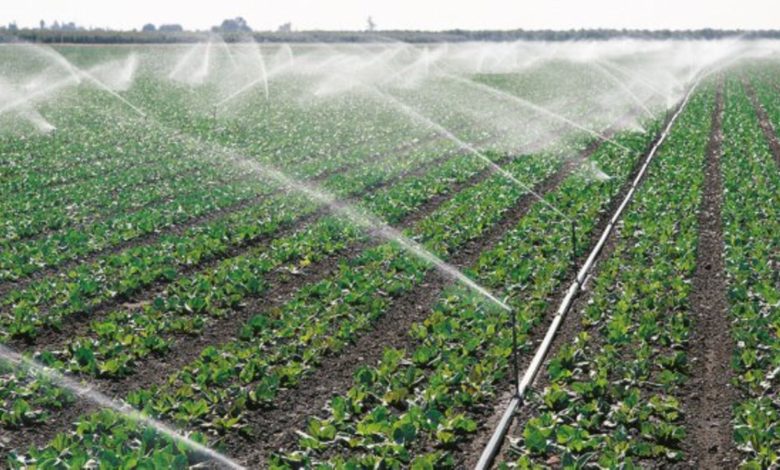
In a landmark decision that could reshape the region’s agricultural future, the East African Legislative Assembly (EALA) has adopted a historic motion urging Partner States to implement agroecological practices aimed at boosting food sovereignty, strengthening food security, and building climate-resilient economies.
The binding motion, passed earlier this month, calls on the East African Community (EAC) Council of Ministers and member states to prioritise agroecology – an integrated, environmentally sustainable approach to agriculture – as a key pillar of their food and economic development strategies.
Boost for agricultural backbone
With agriculture contributing about 27% to the EAC’s combined GDP and employing over 70% of its population, the adoption of agroecology is poised to have transformative implications for Tanzania and its regional peers.
Intra-regional agricultural trade, which makes up 65% of East Africa’s cross-border commerce, also stands to benefit from more sustainable, productive, and climate-adaptive farming systems.
“This is a strategic and moral imperative,” said Françoise Uwumukiza, Chair of EALA’s Committee on Agriculture, Tourism and Natural Resources. “Agroecology addresses not only productivity but also climate change, nutrition and gender equity. It aligns with continental goals like the CAADP strategy and global objectives like SDG 2.”
Tanzania, with its vast arable land and youth-driven farming population, is especially well positioned to capitalise on this shift.
The country has already been exploring climate-smart agriculture through projects in Dodoma, Morogoro and Tanga.
The new motion gives added political and policy legitimacy to scale such efforts under a regionally coordinated framework.
Economic resilience, food system reform
Agroecology presents more than just environmental benefits.
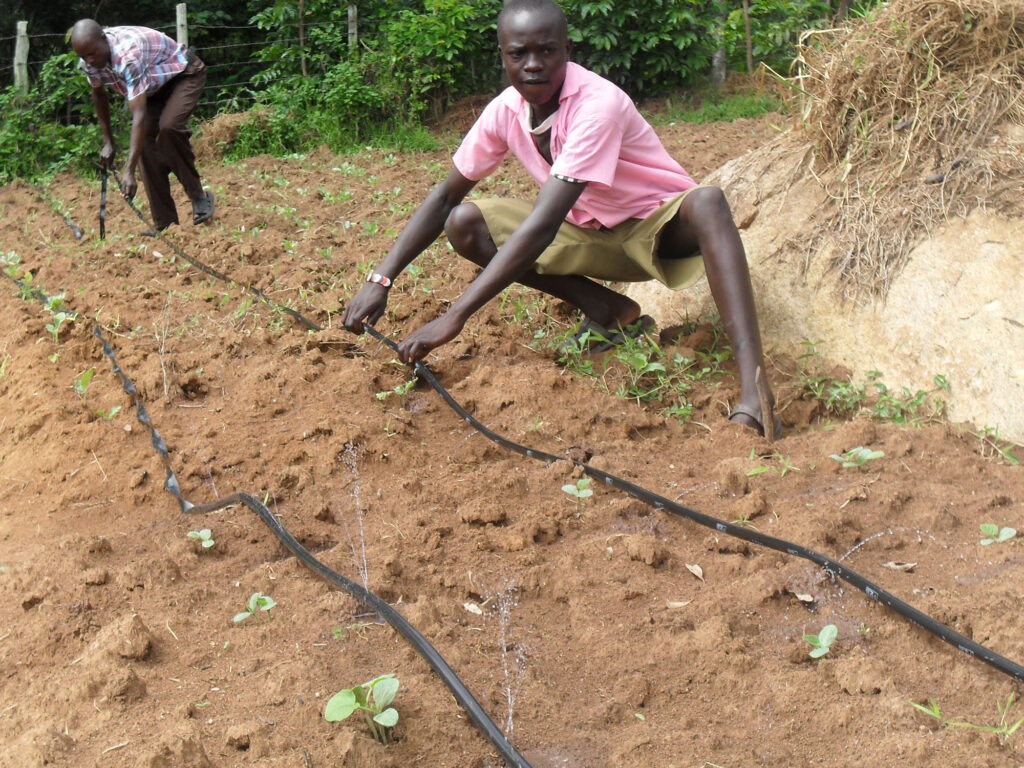
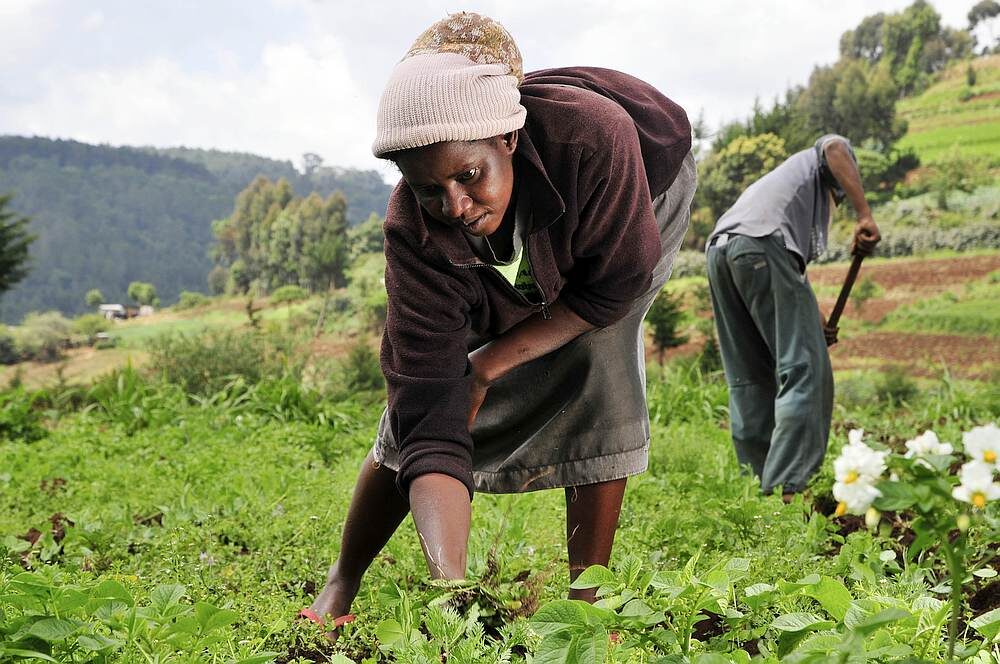
By reducing reliance on imported agrochemicals, building soil health, and increasing yields through Indigenous practices, agroecology promises long-term cost savings and self-reliance for smallholder farmers – a majority of whom are women.
In Tanzania, this decision is likely to spark renewed investments in agricultural extension services, local seed systems, and farmer-led innovation. The approach could also open up new market opportunities for organic and climate-resilient produce, both regionally and internationally.
“It is not just about farming techniques,” said a regional agricultural economist based in Arusha. “Agroecology is an economic strategy for rural transformation. It’s about empowering communities to build food systems that are resilient to shocks – be it climate, pests, or global price fluctuations.”
Institutional capacity, policy shift
The EALA motion is the product of sustained collaboration between parliamentarians and development partners.
In particular, the Food and Agriculture Organization (FAO) played a central role in strengthening legislators’ understanding of agroecology during a 2024 capacity-building programme, under the Eastern Africa Parliamentary Alliance for Food Security and Nutrition (EAPA-FSN).
The motion aligns with Article 105 of the EAC Treaty, which emphasises cooperation in agriculture and food security. By giving legal weight to agroecology, the motion elevates the conversation from civil society and academic circles into binding political commitment.
Catalyst for regional integration
The timing of the decision is crucial. It comes ahead of the Third Global Parliamentary Summit against Hunger and Malnutrition, to be held in South Africa in 2026.
It also reinforces Africa’s leadership in sustainable agriculture as the continent gears up to celebrate the International Year of the Woman Farmer 2026. For Tanzania, where food inflation has remained a persistent economic concern and droughts have disrupted staple crop production, the motion offers a concrete framework to reshape national agricultural strategies.