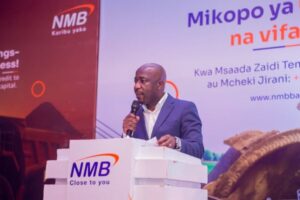

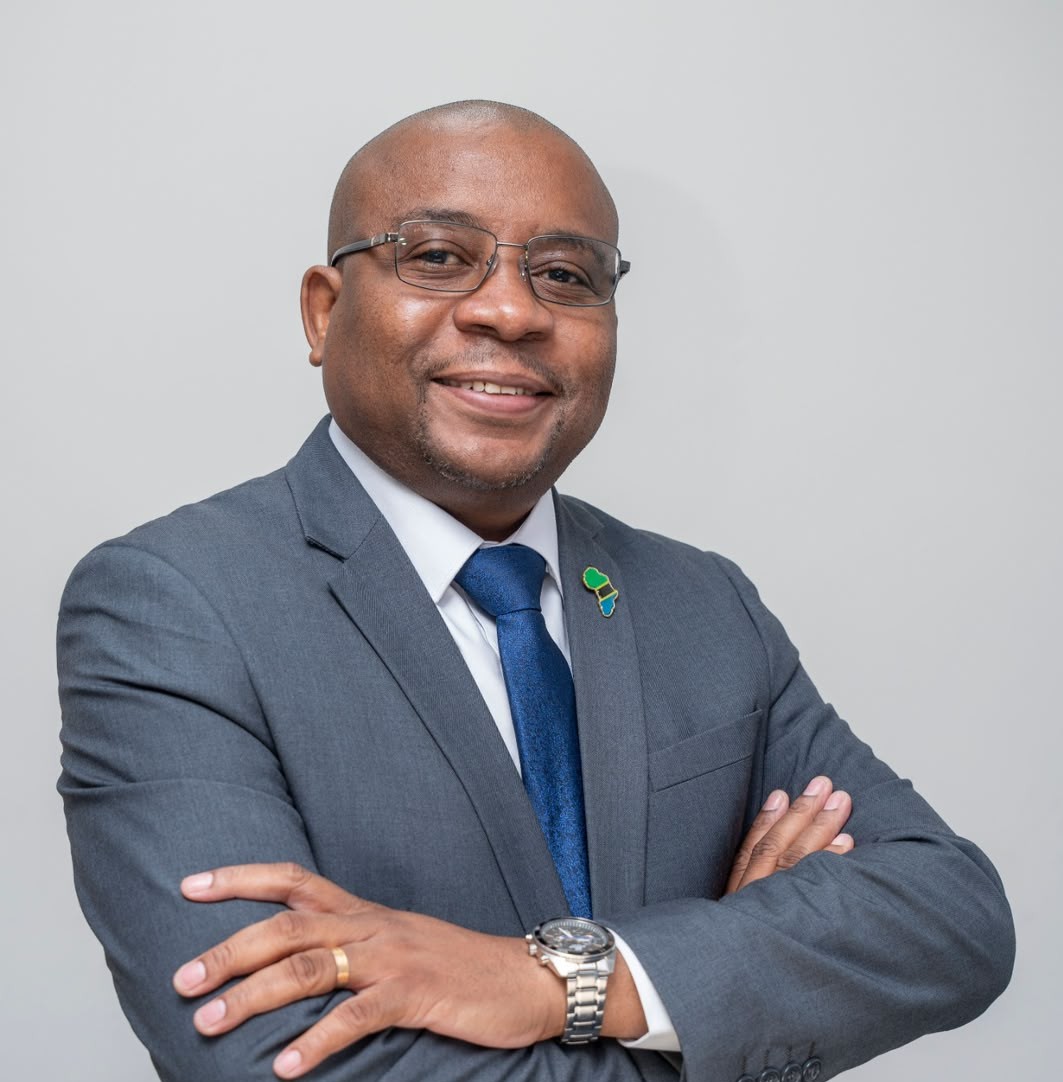
- For the first time in history, the Dar es Salaam Stock Exchange (DSE) crossed the TSh40 trillion market capitalisation threshold in September 2026, signalling a new chapter for Tanzania’s capital markets. In this interview, CEO Peter Nalitolela (pictured) speaks to Costantine Muganyizi about the forces behind the record, the influence of banking stocks, investor participation, liquidity constraints and the Exchange’s ambitions to mobilise more capital for Tanzania’s economic transformation. Read on…
QUESTION: The DSE crossed TSh40 trillion in market capitalisation for the first time in September. What drove this performance?
ANSWER: September was a landmark month for Tanzania’s capital markets. The Exchange crossed TSh40 trillion on September 10, when market capitalisation reached approximately TSh40.3 trillion. By September 11, it had risen to TSh40.61 trillion, from TSh39.44 trillion on September 4.
This extended a rally that had increased market capitalisation by about 22 percent between the end of May and September 11.
The performance reflects growing investor interest, positive price movements in major counters and increasing recognition of the capital market as an avenue for long-term wealth creation. NMB Bank and CRDB Bank were important contributors.
Beyond the record, this demonstrates the growing role of the DSE in mobilising investment and supporting Tanzania’s economic development.
Q: Was the growth broad-based, and does higher market capitalisation mean liquidity is improving?
A: The growth was not uniform across all listed securities. On September 11, the Exchange recorded eight gainers, eight declining counters and 12 unchanged counters. This shows the influence of major companies on overall market valuation.
Domestic market capitalisation increased from TSh26.72 trillion on September 4 to TSh28.28 trillion on September 11, a rise of about 5.84 percent. However, market capitalisation and liquidity measure different things. Market capitalisation reflects the value of listed securities, while liquidity measures how easily investors can buy and sell them.
During the week ending September 25, equity turnover declined by 48.22 percent to TSh27.47 billion, despite market capitalisation rising to approximately TSh40.82 trillion.
Our priority is therefore to deepen liquidity through wider investor participation, digital access, product diversification and attracting more companies to list.
Q: How significant were NMB Bank and CRDB Bank in the market’s performance?
A: Both banks remained important contributors to market activity and valuation. On September 30, NMB recorded a weighted average share price of TSh2,070, with 545,287 shares traded through 1,541 deals. CRDB traded 2,597,288 shares at a weighted average price of TSh2,950 through 932 deals.
NMB’s one-for-10 share split has also helped improve share accessibility by increasing the number of shares in circulation. However, rising share prices and market capitalisation should not be confused with fresh capital raised by companies. New capital raising requires additional securities to be issued to investors.
Q: What do September’s figures reveal about domestic and foreign investor participation?
A: Domestic investors remain fundamental to the sustainability of Tanzania’s capital markets. During the week ending September 11, local investors accounted for 99.85 percent of equity purchases.
Foreign participation varied across the month. During the week ending September 30, foreign investors accounted for 35.26 percent of equity purchases and 21.88 percent of sales, resulting in net buying for that week.
However, cumulatively from July to September, foreign investors accounted for 6.48 percent of purchases and 33.18 percent of sales, indicating net selling over the period.
Our priority is to strengthen domestic investment while attracting sustainable foreign participation through transparency, investor protection, efficient market infrastructure and diversified products.
Q: How is the DSE encouraging more Tanzanians, particularly young people, to invest?
A: Technology is central to widening participation. Through DSE Hisa Kiganjani, investors can access the market digitally. We are also pursuing integration with banking and mobile financial services platforms to make investment more accessible.
Financial education is equally important. Our programmes target young people, women, professionals, entrepreneurs and the wider population.
The DSE Scholar Investment Challenge gives university students practical exposure to securities trading and investment decisions. These initiatives aim to promote informed investment, strengthen domestic savings and make the capital market more inclusive.
Q: Beyond shares, how did bonds and exchange-traded funds (ETFs) perform in the third quarter?
A: Diversified investment products are increasingly important. During the third quarter ended September 30, government bonds recorded turnover of about TSh1.2 trillion, while corporate bonds recorded TSh6.85 billion. Outstanding government bonds stood at TSh33.47 trillion at the end of September. Outstanding corporate bonds amounted to TSh1.74 trillion and US$186.5 million.
ETFs recorded turnover of TSh28.70 billion, with 23.36 million units traded during the quarter. They provide access to diversified portfolios through a single investment instrument, while bonds offer fixed-income opportunities and support longer-term financing. We are also facilitating the development of ETFs, Sukuk and sustainable finance instruments to broaden investment choices.
Q: How can the TSh40 trillion milestone support Tanzania’s economic ambitions under Dira 2050?
A: The capital market provides an avenue for mobilising long-term savings and directing them towards productive economic activities. Through equity and debt financing, companies can access alternative capital to fund expansion, infrastructure, innovation and employment creation.
In the context of Dira 2050, the DSE can support a competitive, inclusive and sustainable economy by increasing capital mobilisation and investment participation.
Our ambition is to translate higher market valuations into more capital raising, new listings, stronger liquidity and wider participation by Tanzanians.
A: What is the DSE doing to attract more companies, including SMEs, and introduce new investment products?
A: Expanding the issuer base and diversifying investment products are key priorities.
Through the DSE Enterprise Acceleration Programme and ENDELEZA initiative, we support state-owned enterprises, private companies and small and medium-sized enterprises to strengthen governance, financial management and investment readiness.
We are also pursuing innovative products, including ETFs, Sukuk and sustainable finance instruments, alongside digital integration with financial service providers.
These initiatives aim to give businesses alternative financing options and investors a wider range of opportunities. Specific announcements will be made through official DSE channels as the initiatives progress.
Q: Which indicators should investors watch in the final quarter of 2026?
A: Investors should monitor listed companies’ financial performance, trading turnover, liquidity and participation by domestic and foreign investors. New listings, capital raising and innovative products will also indicate the market’s ability to mobilise long-term financing.
For the DSE, priorities remain expanding the issuer base, diversifying products, improving accessibility and strengthening market infrastructure.
The TSh40 trillion milestone provides a foundation, but our ambition goes beyond market valuation. We want a capital market that increasingly supports productive investment, business expansion, employment creation and sustainable economic development. Our message to investors and potential issuers is that the DSE remains committed to providing a transparent, accessible and diversified platform for participating in Tanzania’s economic growth.
Dar bourse CEO Interview: 10 Key Takeaways
A historic market record:
- The DSE crossed TSh40 trillion in market capitalisation for the first time in September 2026, reaching TSh40.52 trillion by September 30.
Domestic companies drive market value:
- Domestic market capitalisation stood at TSh28.11 trillion at the end of September, representing 69.4 percent of the total.
Banking stocks remain influential:
- NMB Bank and CRDB Bank were major contributors to market activity and valuation, highlighting the influence of large-cap counters.
Market growth is not uniform:
- Gains in overall market capitalisation do not mean that all listed shares are rising; the September 11 session recorded eight gainers, eight decliners and 12 unchanged counters.
Higher valuations do not guarantee liquidity:
- Equity turnover fell 48.22 percent in the week ending September 25, demonstrating why trading activity must be assessed separately from market capitalisation.
Domestic investors are crucial:
- Local investors accounted for 99.85 percent of equity purchases in the week ending September 11, underscoring the importance of domestic savings.
Foreign participation remains mixed:
- Foreign investors recorded net buying in the week ending September 30 but net selling over the cumulative July–September period.
Bonds and ETFs widen investment choices:
- Third-quarter turnover reached about TSh1.2 trillion for government bonds and TSh28.70 billion for ETFs, supporting diversification and different investment needs.
Digital access and financial literacy are priorities:
- Hisa Kiganjani, mobile and banking integrations, and the DSE Scholar Investment Challenge are intended to widen participation.
The next test is economic impact:
- The DSE wants to convert higher market valuations into more listings, capital raising, deeper liquidity, business expansion and job creation, supporting Tanzania’s longer-term development ambitions under Dira 2050.