
By Business Insider Correspondent, Dodoma
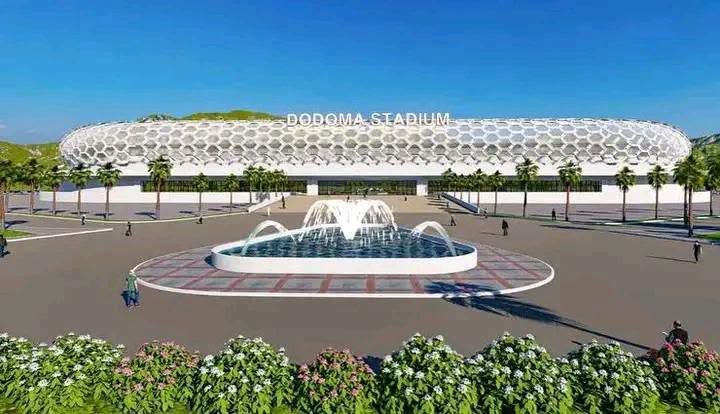
Tanzania’s new stadium in Dodoma has reached 20 percent completion, with the government urging the Italian contractor building the 33,300-seat facility in Dodoma.
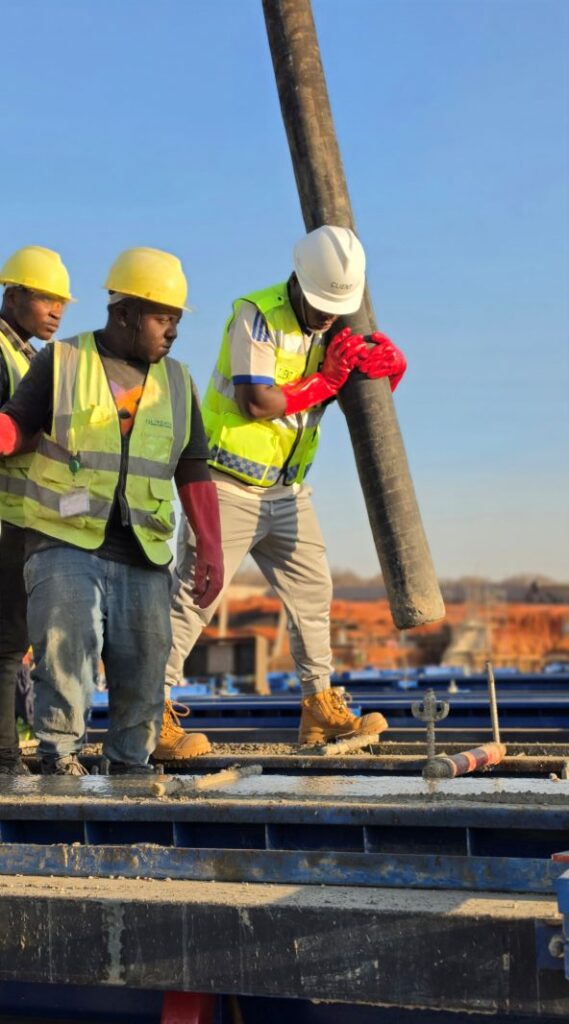
Gerson Msigwa, Permanent Secretary in the Ministry of Information, Culture, Arts and Sports and the government’s chief spokesperson, joined construction workers on October 24 to oversee concrete pouring and the installation of precast seating structures at the site in Nzuguni, Dodoma.
The project is being undertaken by Italian contractor, Limonta SPA, with Egyptian engineering consultancy, Dar Al-Handasah, serving as consultant.
According to Msigwa, the project is using precast technology, in which components are manufactured before being installed on site.
“This method is intended to speed up construction while maintaining quality,” he said.
Msigwa praised the progress made so far but urged the contractor and consultant to make up for time lost during pre-construction design discussions.
The stadium is expected to accommodate 33,300 spectators and is scheduled for completion by the end of 2027.
AFCON raises the stakes
Tanzania will co-host AFCON 2027 with Kenya and Uganda in what will be the first edition of Africa’s flagship men’s national-team competition staged across three countries.
The tournament will also mark AFCON’s return to East Africa for the first time since Ethiopia hosted it in 1976.
For the three hosts, the event represents both a sporting challenge and an economic opportunity. Stadiums are only one part of the required infrastructure: training facilities, hotels, airports, transport links, medical services, broadcast systems and security arrangements must also meet tournament standards.
CAF’s inspection delegation visited facilities in all three countries in August and September as preparations continued. In Tanzania, the delegation assessed key facilities, including Benjamin Mkapa Stadium in Dar es Salaam. The inspections form part of CAF’s process of evaluating readiness ahead of the tournament.
Against that background, Dodoma’s new stadium forms part of Tanzania’s longer-term ambition to expand its sports infrastructure beyond existing venues in Dar es Salaam and Zanzibar.
Building local expertise
Msigwa also highlighted the contribution of Tanzanian workers to the project, saying local technicians and engineers account for more than 90 per cent of the workforce.
He urged them to use the project not only as a source of income but also as an opportunity to acquire skills that could enable them to deliver major construction projects in the future with less reliance on foreign expertise.
That emphasis points to a potential legacy beyond football. Large stadium projects can create employment and transfer technical knowledge, although the long-term benefits will depend on whether the skills gained are retained and used in subsequent projects.
The economic case for sports infrastructure also extends beyond construction. Once operational, a stadium can host domestic football, international matches, concerts and other large events, generating demand for transport, accommodation, food services, security and event management.
However, those benefits are not automatic. They depend on regular use, effective maintenance and a credible commercial strategy to cover operating costs after construction is complete.
Seven stadiums in the wider plan
The government statement said completion of the Dodoma facility would bring Tanzania’s total to seven stadiums intended to meet CAF Category 3 or 4 requirements.
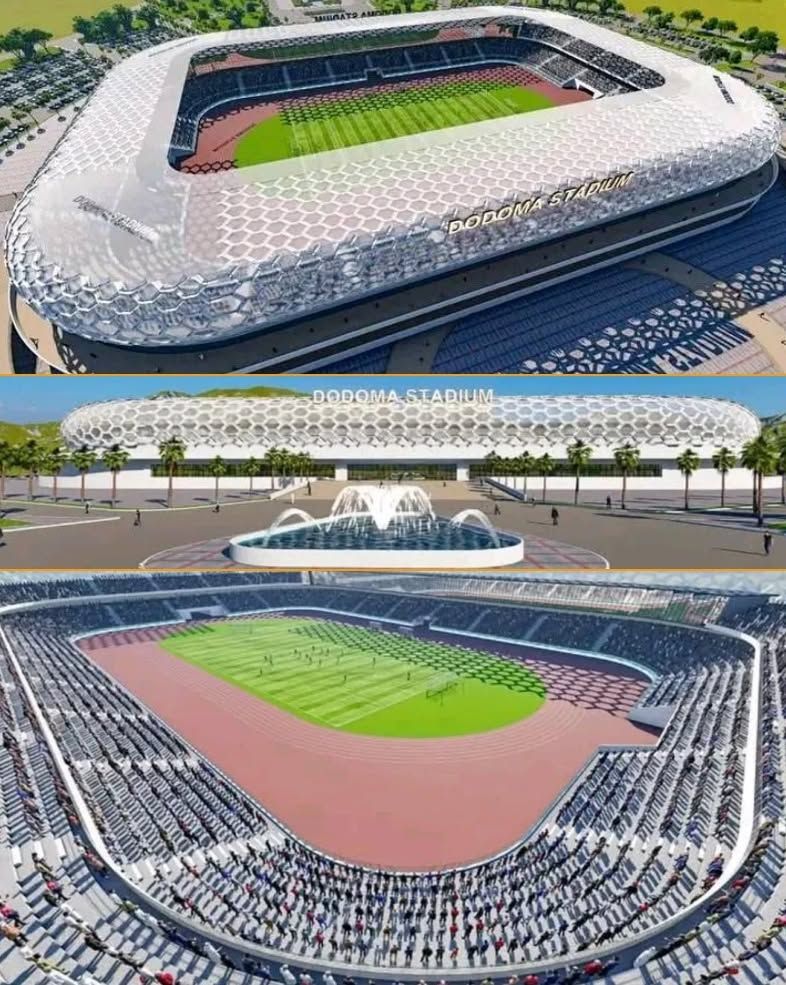
The venues named were Benjamin Mkapa and Uhuru stadiums in Dar es Salaam; Arusha Stadium; the new Dodoma stadium; and Amani, Fumba and Kizimkazi stadiums in Zanzibar.
The statement presented the expansion as strengthening Tanzania’s ability to host major African competitions. But the number of stadiums alone does not establish tournament readiness: each proposed venue must meet the applicable technical requirements and receive the necessary approval. For AFCON 2027, the immediate test is whether the facilities designated for the tournament can be completed, inspected and made operational in time.