
By Business Insider Reporter
Tanzania has launched an ambitious climate-resilient livestock initiative aimed at protecting one of the country’s most important economic sectors from the growing impacts of climate change, while improving productivity, sustainability and rural incomes.
The project, spearheaded by the Tanzania Commission for Science and Technology (COSTECH) in partnership with the University of Dar es Salaam (UDSM), the Tanzania Livestock Research Institute (TALIRI) and the Zanzibar Agricultural Research Institute (ZARI), will pilot innovative climate-smart technologies in Kongwa District, Dodoma Region.
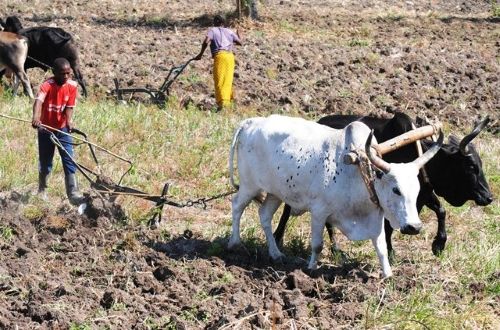
The initiative comes at a critical time for Tanzania’s livestock industry, which contributes approximately seven percent of the country’s Gross Domestic Product (GDP) and supports millions of households. However, recurrent droughts, rising temperatures, shrinking grazing areas and increasing environmental pressures are threatening productivity across the sector.
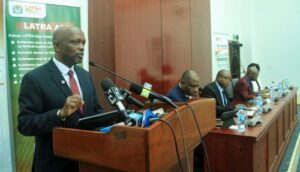
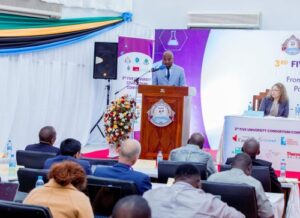
Speaking during the project’s launch, Principal Researcher from the University of Dar es Salaam, Dr. Regina Mtei, said the programme seeks to strengthen livestock production systems while reducing environmental degradation.
“Kongwa was selected because livestock keeping is a major economic activity in the district and because communities here are increasingly experiencing the effects of climate change,” said Dr. Mtei.
“Our objective is to improve livestock productivity, enhance animal welfare and develop production systems that are resilient to climate shocks while protecting natural resources.”
The project will initially be implemented in Mlali and Chiwe wards, where livestock farmers will receive training and support in applying biopolymer and biochar technologies designed to improve efficiency and sustainability.
One of the key innovations is the use of biopolymer technology to construct livestock shelters using alternative materials, reducing dependence on timber and helping curb deforestation. Tanzania continues to face significant pressure on forest resources, particularly in rural areas where wood remains a primary construction material.
The second innovation involves biochar technology, which is increasingly being recognised globally for its potential to improve agricultural productivity while reducing greenhouse gas emissions. In livestock systems, biochar can improve feed efficiency, support soil health and help reduce methane emissions associated with animal production.
As countries around the world intensify efforts to reduce emissions from agriculture, climate-smart livestock management is emerging as a strategic priority. According to international climate studies, livestock production accounts for a substantial share of agricultural greenhouse gas emissions, making innovation in the sector increasingly important.
Kongwa District Administrative Secretary, Sozi Ngate, said the project could have far-reaching economic benefits for local communities.
“Livestock farming is one of the key drivers of household incomes and food security in this district,” she said. “This initiative will equip farmers with practical knowledge and technologies that can help them adapt to changing climate conditions and improve their productivity.”
Local government leaders have pledged full support for the programme, viewing it as a potential model for wider adoption across Tanzania’s livestock-producing regions.
Kongwa District Council Chairperson, White Zuberi, said the district is committed to supporting interventions that address the challenges facing livestock keepers and contribute to local economic development.
Meanwhile, Kongwa District Executive Director, Dr Omary Nkullo, described the district as an ideal location for climate-focused livestock research.
“We believe the findings from this project will generate valuable evidence and practical solutions that can be scaled up to benefit livestock farmers across the country,” he said.
Beyond environmental benefits, experts say the project has important economic implications. Tanzania possesses one of Africa’s largest livestock populations, with millions of cattle, goats and sheep supporting domestic consumption, trade and export earnings. Improving resilience and productivity could therefore strengthen food security, boost rural incomes and enhance the sector’s contribution to national economic growth.
The initiative also aligns with Tanzania’s broader agenda of promoting climate-smart agriculture and achieving sustainable development goals through innovation and scientific research.
Industry analysts note that climate adaptation investments are increasingly becoming a business necessity rather than an environmental choice. For livestock-dependent economies such as Tanzania, the ability to maintain production under changing climate conditions will be critical to safeguarding jobs, incomes and future investment opportunities. By combining research, technology and community engagement, the COSTECH-led programme seeks to demonstrate that climate resilience and economic growth can advance together. If successful, the model could be replicated in other livestock-producing regions across Tanzania and potentially serve as a benchmark for climate-smart livestock development across East Africa.