By Business Insider Correspondent, Katavi
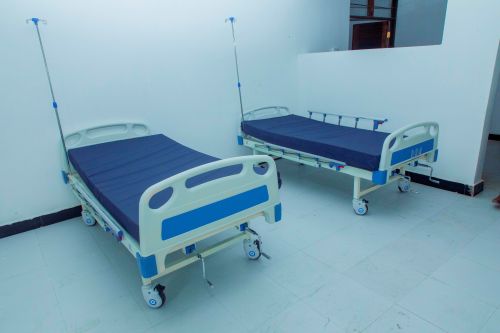
Tanzania’s carbon trading initiatives are delivering tangible community benefits, with more than TSh700 million invested in completing six healthcare buildings at Katuma Health Centre in Tanganyika District, Katavi Region.
The project, financed through carbon trading revenues generated in Katuma, Kapanga and Mpembe villages, demonstrates how income linked to environmental conservation can support essential public services while strengthening local development.
The completed buildings are expected to improve access to healthcare for residents of Katuma Ward and neighbouring communities, reducing the need for patients to travel long distances to obtain medical services.
Speaking during a visit to Katuma Ward by the Minister of State in the Vice-President’s Office responsible for Union Affairs and Environment, Hamad Yussuf Masauni, on 18 October 2026, Pascal Masobeji, secretary of the construction committee and ward executive officer, said the project had delivered key buildings required for the provision of healthcare services.
He said Katuma Ward received the funding in two phases. Under the first phase, which covered the fourth and sixth allocations, the ward received TSh168 million to construct an outpatient department (OPD).
The wider project reflects cooperation between Katuma Ward and the villages benefiting from carbon trading, showing how revenues associated with conservation can be channelled into community infrastructure.
For the local population, the completion of the buildings marks an important step towards strengthening healthcare provision closer to home. The report did not specify when the facilities would begin operating or provide details of staffing and medical equipment.
Government backs community benefits from carbon trading
Masauni urged communities to continue protecting the environment and make effective use of the National Carbon Monitoring Centre (NCMC) to register projects and access education on carbon trading.
“The government will continue to provide oversight to ensure communities benefit from these projects. Tanganyika District has become a model in carbon trading, opening the way for others to engage in this business,” he said.
He added that the government would continue supervising the distribution of revenues generated through carbon trading to ensure communities benefit while maintaining their commitment to environmental protection.
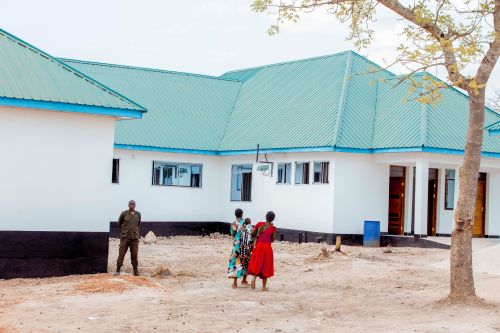
Residents of Katuma Ward expressed appreciation to the Sixth Phase Government, led by President Samia Suluhu Hassan, for promoting environmental conservation and enabling communities to benefit from carbon trading.
Linking conservation with local development
The Katuma project highlights the potential of carbon trading to connect environmental protection with investment in public infrastructure. When properly managed, carbon revenues can provide communities with a financial incentive to conserve natural resources while helping fund services that support local livelihoods.
However, the long-term value of such investments will depend not only on the completion of buildings but also on their operational readiness, including adequate staffing, medical supplies, equipment and sustainable maintenance funding. For Tanzania’s expanding carbon market, the project offers an example of how conservation-linked revenue can support community priorities. Transparent revenue allocation, effective oversight and clear evidence of local benefits will remain important to ensuring that carbon trading delivers lasting gains for both people and the environment.