By Business Insider Reporter
A landmark agreement between Australian miner Iluka Resources and ASX-listed Lindian Resources could reshape global rare earths supply chains – but the big question for Tanzania is whether it stands to gain, or be left behind.
The deal, announced this week, will see rare earths from Lindian’s Kangankunde mine in Malawi shipped to Iluka’s taxpayer-funded refinery in Eneabba, Western Australia. Backed by a A$1.65 billion federal loan, the refinery aims to strengthen non-China processing capacity and reduce dependence on Beijing for critical minerals.
As Malawi becomes a key link in Australia’s new rare earths pipeline, Tanzanian stakeholders are watching closely.
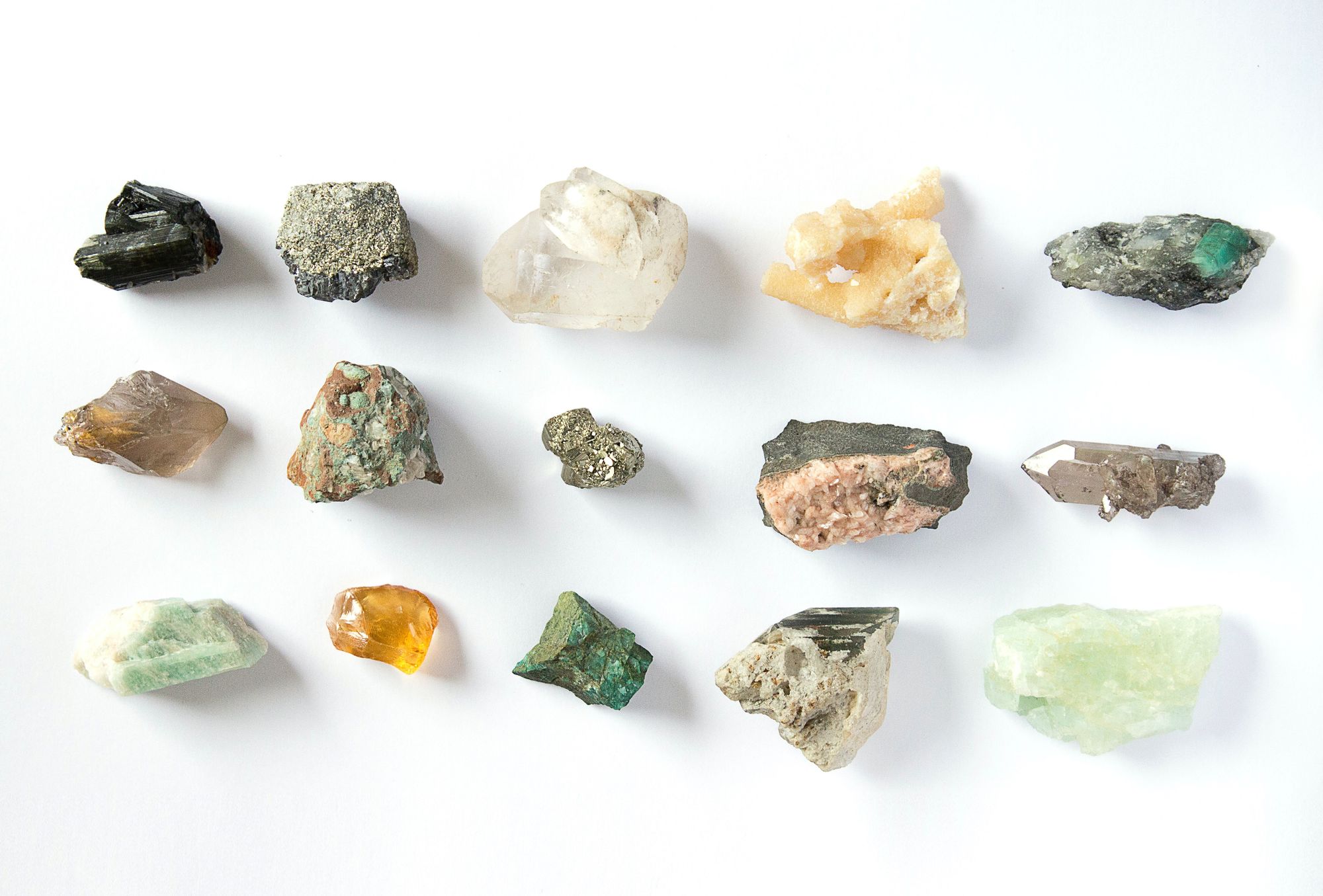
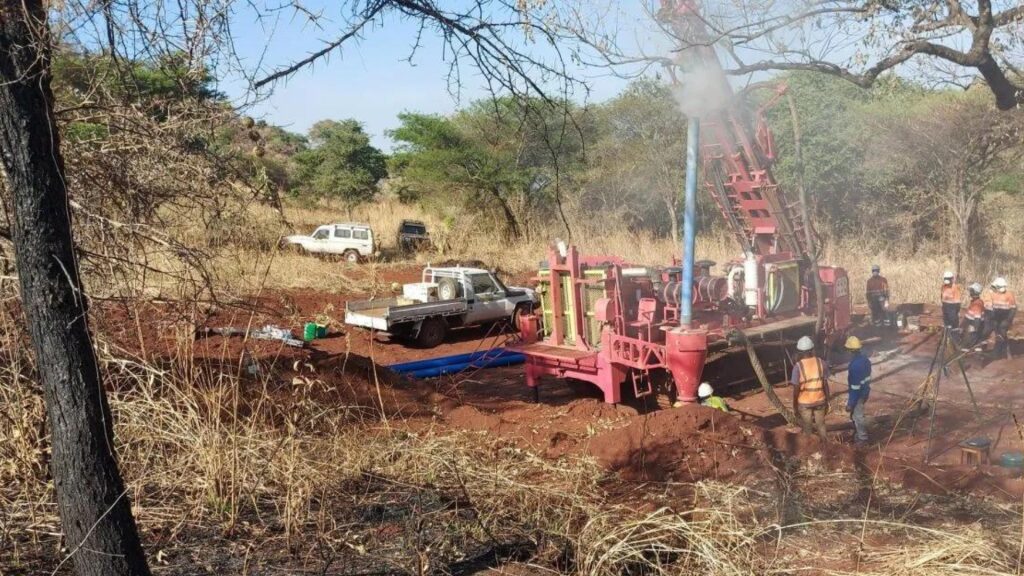
The opportunity is clear: Tanzania has its own high-grade rare earths project – Ngualla, one of the largest undeveloped deposits globally, located in Songwe Region.
Yet its trajectory is heading in the opposite direction.
Just last year, Peak Rare Earths, the Australian company developing the Ngualla project, dropped plans to build a refinery in the UK.
Instead, it aligned with China’s dominant supply chain when Chinese rare earths giant Shenghe Resources bought a 19 percent stake in the firm.
That relationship was formalised when Peak signed a deal to sell the majority of Ngualla’s future output to Shenghe, effectively anchoring the Tanzanian mine to the China-centric network the West is seeking to sideline.
Missed strategic opportunity?
For Tanzania, this shift raises strategic concerns. While other African countries like Malawi are now part of efforts by the US, Australia, Japan and Europe to build alternative supply chains, Tanzania may risk missing out on the geopolitical and economic benefits.
“The Lindian-Iluka deal signals a clear shift in how Australia wants to source and refine rare earths,” said a mineral policy analyst based in Dodoma. “Had Peak aligned with that model, Ngualla could’ve become a cornerstone of a non-China value chain.”
Instead, the Ngualla-Shenghe deal potentially limits Tanzania’s leverage. With processing likely to occur in China and offtake tied to Chinese buyers, the country’s ability to negotiate for technology transfer, value addition, or downstream development may be curtailed.
What can Tanzania do?
The success of the Lindian-Iluka agreement could revive debate in Tanzanian policy circles about the need to reassess strategic mineral contracts.
With global demand for rare earths – especially Neodymium and Praseodymium – soaring due to their use in electric vehicles, wind turbines, and defence technologies, aligning with diversified supply chains could yield greater long-term value.
Australia’s federal resources minister, Madeleine King, has publicly championed this diversification, saying: “Securing supply chains for rare earths and critical minerals is a global issue… The more rare earths processed in Australia, the better.”
Importantly, the Iluka-Lindian deal includes price protection mechanisms – such as a potential “price floor” similar to one the US recently guaranteed to MP Materials.
That floor set prices at $110/kg for NdPr – nearly double current market rates – providing financial predictability for producers outside China. Such policy tools make non-China value chains more viable and could attract countries like Tanzania – if future mining contracts allow room for renegotiation or government-led pivoting toward Western-aligned partners.