
By Correspondent Benny Mwaipaja, Paris
Tanzania wants to finance three-quarters of its national budget from domestic resources in the 2026/27 financial year, signalling a stronger push to reduce reliance on external financing as the country steps up investment in infrastructure and economic transformation.
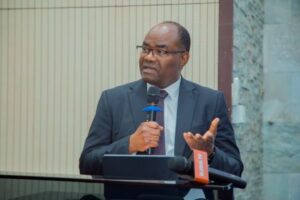
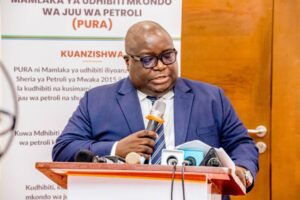
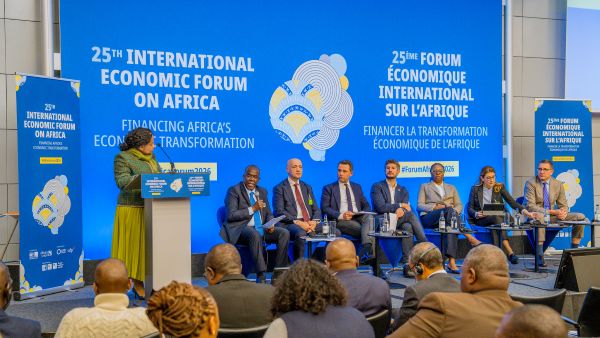
Finance Minister Khamis Mussa Omar told the 25th International Economic Forum on Africa, organised by the Organisation for Economic Co-operation and Development (OECD) in Paris, that domestic revenue mobilisation had become the government’s first priority in funding development programmes and economic reforms.
Presenting Tanzania’s economic outlook to an international audience, Mr Omar said the country was targeting a financing structure in which 75 per cent of the 2026/27 budget would come from domestic resources, with the remaining 25 percent covered through borrowing.
The target reflects the government’s determination to strengthen its financial independence while ensuring that the economy has sufficient resources to support its development ambitions.
“Our main strategies include protecting the tax base, reducing expenditure, controlling tax evasion and improving tax administration,” he said.
The approach comes at a time when Tanzania is seeking to balance ambitious infrastructure spending with the need to maintain fiscal discipline and manage public debt.
For an economy pursuing long-term transformation, the ability to generate more revenue at home is increasingly important. It gives the government greater control over development priorities and reduces exposure to external financing conditions, including changes in international interest rates and lending terms.
However, achieving the target will require more than improving tax collection. It will also depend on expanding the productive sectors of the economy, encouraging formal business activity and ensuring that economic growth translates into a broader revenue base.
Infrastructure demands keep financing needs high
Mr Omar acknowledged that Tanzania remained in an investment phase, requiring substantial financial resources to build and modernise infrastructure.
Roads, railways, airports and energy projects remain central to the country’s development agenda, alongside investments in education, skills and other aspects of human capital development.
These investments are necessary to improve productivity, reduce the cost of doing business and make Tanzania more competitive as a destination for domestic and international investment.
But they also place pressure on public finances, particularly when infrastructure projects require substantial upfront capital and take years to generate economic returns.
This is one reason the government is seeking to strengthen domestic revenue collection while working with international financial institutions and private investors to secure financing on affordable and predictable terms.
The minister said partnerships with organisations such as the OECD and private-sector investors would be important in mobilising resources to support Tanzania’s development priorities.
For businesses, a more predictable financing environment could create opportunities in infrastructure, manufacturing, energy, transport and other sectors linked to the country’s investment programme.
Industrialisation seen as key to expanding revenue
Beyond tax reforms and infrastructure spending, Tanzania is looking to change the structure of its economy by expanding manufacturing and increasing the value of its natural resources.
Mr Omar identified industrial development, particularly agro-processing and mineral beneficiation, as important elements of the country’s economic transformation.
The emphasis is on moving beyond traditional sources of revenue towards an economy that produces more finished goods, processes agricultural commodities locally and captures greater value from its mineral resources.
This shift has implications for employment, exports and government revenue.
Agricultural processing, for example, could help reduce post-harvest losses, create markets for farmers and support the development of local manufacturing businesses. Similarly, adding value to minerals before export could increase domestic economic benefits and strengthen linkages between mining and other industries.
The industrialisation agenda also addresses one of Tanzania’s most pressing economic challenges: creating enough jobs for its growing young population.
A larger manufacturing base could provide employment beyond agriculture and informal trading, while stimulating demand for transport, logistics, financial services and other business activities.
The challenge will be to attract investment into competitive industries, improve access to affordable finance and ensure that local businesses can participate in emerging value chains.
International partnerships remain important
Although Tanzania is placing greater emphasis on domestic financing, Mr Omar made clear that economic self-reliance does not mean withdrawing from international partnerships.
He argued that cooperation with multilateral institutions, development partners and private investors remained necessary to mobilise affordable and predictable financing.
Participation in international economic forums, he added, provides an opportunity for Tanzania to present its strategic development priorities, learn from other countries and exchange ideas on addressing common economic challenges.
The OECD forum also gave Tanzania an opportunity to highlight its economic progress and engage with international stakeholders on investment and development financing.

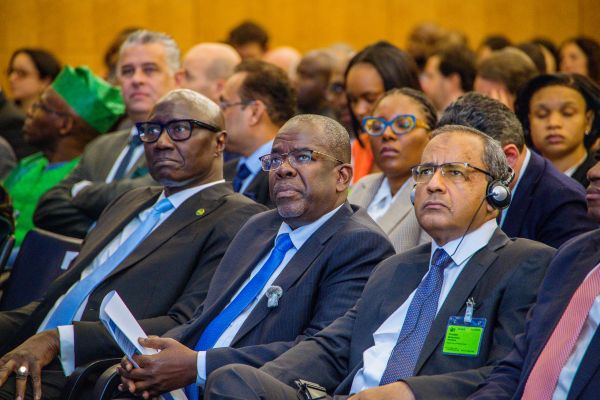
The minister was among seven invited speakers at the gathering, where organisers recognised Tanzania’s progress in various economic and social development areas.
The Tanzanian delegation included the country’s Ambassador to France, Saidi Othman Yakubu; Deputy Permanent Secretary in the Ministry of Finance, Asha Khamis Abdulla; and Commissioner for External Finance, Rished Bade. Ultimately, Tanzania’s ambition to finance a larger share of its development from domestic resources will depend on how successfully it converts economic growth into government revenue without undermining private-sector expansion.