
By Business Insider Reporter
Non-governmental organisations (NGOs) need strong financial management systems, transparent records and accountability to attract more funding from local businesses, institutions and individuals as uncertainty in international development financing grows.
Stanbic Bank Tanzania says financial transparency is essential to building trust with domestic funders and securing sustainable partnerships with the private sector.
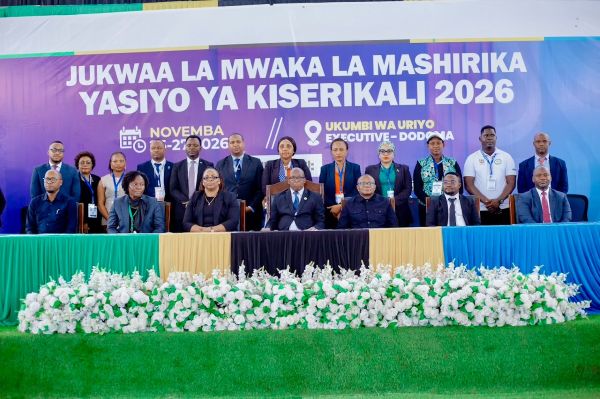
Speaking at the 2026 Annual NGO Forum in Dodoma, the bank’s Vice President for International Organisations and Public Sector, Naomi Vicent, said organisations that maintain clear financial records and properly account for project funds stand a better chance of attracting local support.
“Local funders give to organisations they trust, and trust is built on records,” she said.
“When a grant arrives in its own project account, every payment is made digitally and a clear statement is ready on request, an NGO spends less time explaining its finances and more time delivering its programmes.”
Ms Vicent said Stanbic was engaging NGOs at the four-day forum, which opened on November 25, on ways to improve project fund management, streamline payments and handle foreign currency transactions more efficiently.
The emphasis on domestic funding comes as NGOs seek to diversify their financing sources and reduce dependence on international aid amid uncertainty in global development financing.
The forum, convened by the Ministry of Community Development, Gender, Women and Special Groups through the Office of the Registrar of NGOs, in collaboration with the National Council of NGOs (NaCoNGO), is being held under the theme “New Thinking on NGO Sustainability: Innovation, Partnerships and Access to Financial Resources through Domestic Sources”.
Ministry statistics show that 1,066 NGOs were registered between July 2025 and April 2026, reflecting the sector’s continued expansion and the growing importance of sustainable financing.
Stanbic says its support includes dedicated accounts for individual projects and donors, digital payments to employees, suppliers and beneficiaries, payroll services and foreign exchange facilities for organisations receiving grants in foreign currencies but implementing projects in Tanzania.
Through its parent company, Standard Bank Group, the bank also provides access to banking services across African markets, supporting organisations operating in multiple countries.
Beyond financial services, Stanbic sees opportunities for NGOs to partner with businesses in delivering programmes in key sectors, including health, education, water and enterprise development.
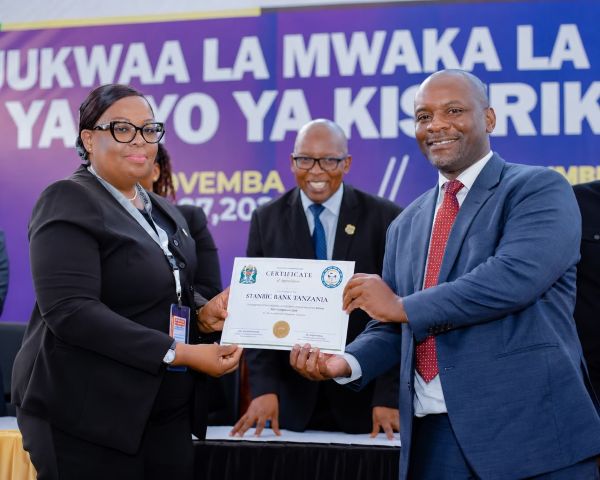
The bank’s Head of Client Coverage, Corporate and Investment Banking, Elias Ngunangwa, said sound governance and financial management were important in positioning NGOs as credible partners for companies seeking to support community development.
“Many of the companies we bank want credible partners to deliver programmes in health, education, water and enterprise. NGOs that are well run and well banked are the partners they choose,” he said.
“Our role is to help both sides meet on firm ground, so that local funding grows into a lasting partnership rather than a single cheque.”
Mr Ngunangwa said the forum provided an opportunity for government, NGOs and the private sector to strengthen collaboration in addressing development challenges.
“Stanbic has served Tanzania for more than three decades, and the organisations meeting here serve the same communities we do. Tanzania is our home, and we drive her growth,” he said. More than 3,000 delegates from NGOs, government institutions, United Nations agencies and development partners are attending the forum, which brings together stakeholders to explore ways of mobilising domestic resources and strengthening the sustainability of the NGO sector.