
By Costantine Muganyizi
The Tanzania Private Sector Federation (TPSF) plans to establish an annual Private Sector Week beginning in the 2027/28 financial year, creating a platform for businesses and government to review budget priorities, assess investment opportunities and monitor progress in implementing Dira 2050.
The initiative is part of the priorities of the Federation’s new leadership, headed by President Angelina Ngalula, with Vice Presidents Jitu Vrajlal Soni, representing Mainland Tanzania, and Ali Suleiman Amour, representing Zanzibar, alongside Chief Executive Officer Deogratius Massawe.
The proposed week-long programme is intended to strengthen government–private sector engagement by linking public spending priorities with business investment decisions, policy reforms and measurable contributions to economic development.
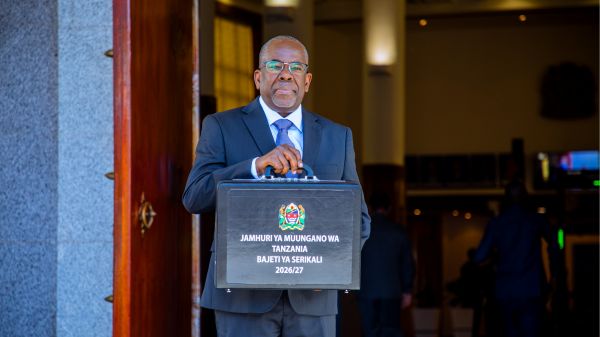
A central feature will be an annual review of government budgets after their presentation, allowing businesses to examine proposed expenditure, taxation measures, investment incentives, infrastructure allocations and procurement plans, and assess the opportunities and implications for the private sector.
TPSF Chief Executive Officer Massawe said the exercise would help businesses understand how government priorities translate into commercial opportunities while identifying policies and implementation challenges that could constrain investment.
Government spending on infrastructure, energy, transport and other productive sectors can create opportunities for private investment, while taxation, levies and regulatory measures directly influence operating costs, competitiveness and investment returns.
“Through collective engagement, the private sector would have an opportunity to identify opportunities arising from government priorities, raise concerns over policies and implementation challenges, and propose practical measures to improve the investment climate,” he told Business Insider in a recent interview.
“The discussions would also help establish areas where public investment and private capital can complement each other in delivering national development objectives,” he added.
Beyond budget analysis, Private Sector Week will provide an opportunity to assess the private sector’s contribution to Dira 2050, particularly in investment and employment creation.
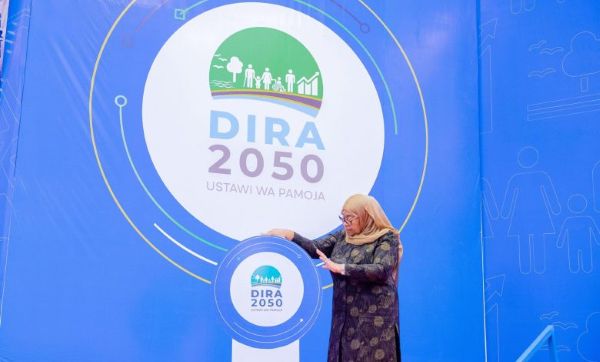
The new long-term development blueprint envisages the private sector providing about 70 percent of the financing required to achieve its ambitions, making the measurement of actual business investment critical to tracking implementation.
“Through Private Sector Week, we will be able to assess how much investment undertaken during a particular year came from the private sector and whether the expected contribution has been achieved,” Mr Massawe explained.
The assessment will also examine jobs created by businesses, whether employment expectations have been met and the constraints affecting companies’ capacity to expand and generate more opportunities for Tanzanians.
Importantly, the accountability process will extend to government and its institutions, with TPSF seeking to establish whether planned public investments have materialised and, where commitments remain unfulfilled, identify the reasons and possible corrective measures.
“The objective is not to blame one another but to build a culture of accountability, learn from challenges and establish strategies for improving implementation in the following year,” Mr Massawe said.
TPSF also plans to transform its existing one-day engagements into a week-long programme bringing together business associations representing the nine priority sectors identified under Dira 2050.
These include agriculture, tourism, manufacturing and industry, construction and real estate, mining, the blue economy, sports and creative industries, financial services, and other services such as ICT, education, healthcare, logistics and business support.
The programme will provide opportunities for sector-specific investment dialogues, policy discussions between government and businesses, and business matchmaking to identify bankable projects, financing requirements and potential public-private partnerships.
TPSF envisages holding the event annually in July, following the close of the government financial year in June and presentation of the subsequent year’s budget. The timing would allow businesses to assess the implementation of previous commitments while examining new budget priorities and identifying investment opportunities for the incoming financial year.
Mr Masswe said the week will culminate in a high-level closing ceremony officiated by President Dr Samia Suluhu Hassan, highlighting the importance her administration attaches to private-sector participation in driving investment, creating employment and achieving national development objectives.
To ensure continuity beyond the annual event, TPSF also intends to establish a monitoring framework covering yearly performance, five-year milestones and the entire 25-year implementation period of Dira 2050.
“One of our important plans for the coming period is to establish and strengthen an arrangement for organising Private Sector Week. This will provide a platform for stakeholders to discuss economic development, implementation of Dira 2050 and the private sector’s contribution towards achieving national objectives,” Mr Massawe said.
“We want to leave behind an institutional arrangement that will endure and ensure that the private sector continues playing an important role in overseeing and monitoring the implementation of Dira 2050,” he emphasised.