
By Mwanamkasi Jumbe
Tanzania is taking specialist healthcare closer to rural communities, with a team of Chinese medical experts offering free consultations, diagnostic tests, medication and surgical services to residents of Rufiji District and neighbouring areas in Pwani Region.
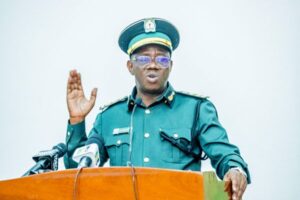
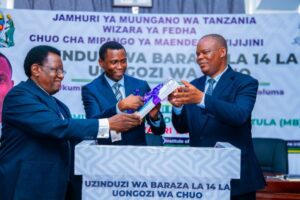
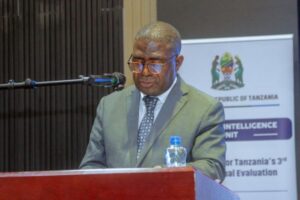
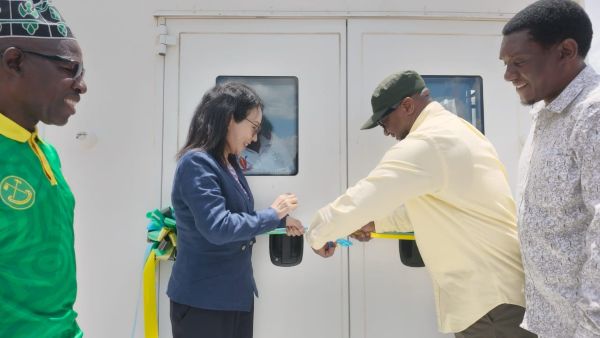
Health Minister Mohamed Mchengerwa launched the seven-day mobile medical camp at Ujamaa Grounds in Ikwiriri, urging residents to take advantage of the initiative rather than incur the high costs associated with accessing specialised treatment in major hospitals or travelling abroad.
The initiative, supported by longstanding health cooperation between Tanzania and China, brings specialist services covering cardiovascular diseases, neurological disorders, orthopaedic conditions, eye diseases and abdominal conditions requiring surgical intervention.
Speaking at the launch, Mchengerwa said the Government, under President Samia Suluhu Hassan, was committed to reducing barriers to specialist healthcare by bringing medical expertise and modern equipment closer to communities.
He cited the high cost of specialised procedures, particularly heart surgery, as one of the major challenges facing ordinary citizens.
“Heart surgery is very expensive. You can be told it costs ten million shillings. Tell me, does an ordinary citizen have that amount in their pocket? It is a very high cost. Now we have this opportunity,” he said.
The minister emphasised that the programme was open to everyone, regardless of their place of residence, and encouraged patients from Mkuranga, Kibiti, Kilwa and Mafia to attend.
He said the Government had also made arrangements to facilitate access for residents of Mafia Island, who could otherwise face transport difficulties when seeking treatment on the mainland.
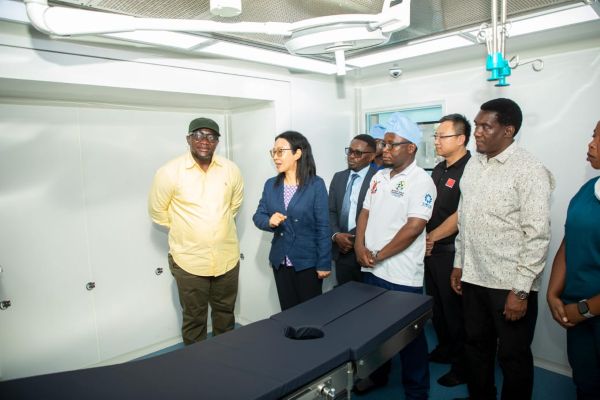
The initiative is part of the Ministry of Health’s broader strategy to address the growing burden of non-communicable diseases (NCDs), which increasingly require specialised diagnosis, long-term management and expensive medical interventions.
Mchengerwa urged Tanzanians to develop a culture of regular health screening, warning against waiting until symptoms become severe before seeking medical attention.
The services, including medical examinations, specialist consultations, diagnostic tests, medicines and surgery for patients identified as requiring operations, will be provided entirely free of charge.
Strengthening Tanzania-China health cooperation
The medical camp also highlights the growing importance of Tanzania’s health partnership with China, which has developed over several decades through specialist medical missions, equipment support and professional exchanges.
Mchengerwa said the cooperation, established by the founders of the two countries, had continued to expand under President Samia’s administration.
He attributed the arrival of the Chinese medical team, accompanied by modern medical equipment, to the enduring bilateral relationship.
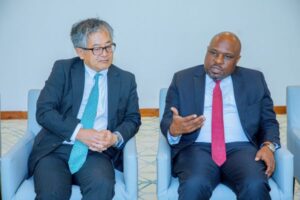
Chinese Ambassador to Tanzania Chen Mingjian said the mission was part of the 28th group of Chinese medical teams deployed to Tanzania since the two countries established the programme.
The team comprises specialist doctors providing services in different medical fields, although the ambassador and district officials gave different figures for its size.
Rufiji District Medical Officer Dr Musa Rashid said the specialists would spend seven days in the district, dividing their activities between Ikwiriri and Utete.
The team is scheduled to operate in Ikwiriri for four days before moving to Utete for the remaining three days.
Rashid said the mission was designed not only to provide treatment but also to strengthen the skills and experience of Tanzanian healthcare professionals through professional interaction and knowledge exchange.
“The presence of this team of experts in the country is not only to provide treatment but also to provide education to local experts,” he said.
Rufiji District Commissioner Lt. Col. Fredrick Komba urged residents experiencing different medical conditions to turn up for screening and treatment, while encouraging them to cooperate with the visiting specialists.
A boost to medical tourism
Beyond immediate healthcare benefits, the initiative also presents an opportunity to strengthen professional relationships and expand Tanzania’s engagement with international medical institutions.
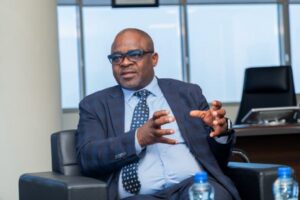
Ministry of Health Medical Tourism Coordinator Dr. Asha Mahita said the programme would help build lasting relationships between Tanzanian healthcare professionals and the visiting Chinese specialists.
She described the interaction as part of the country’s approach to developing medical tourism through international cooperation, professional exchanges and improved access to specialised services.
Medical tourism has increasingly become an important consideration for Tanzania as the country seeks to strengthen domestic healthcare capacity, attract patients from neighbouring countries and reduce the amount of money spent by Tanzanians seeking treatment overseas.
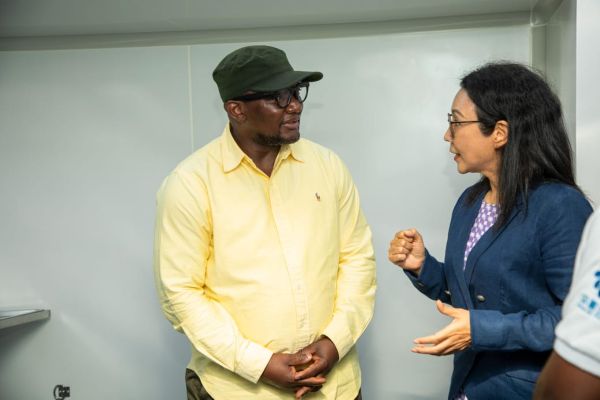
By bringing international specialists into local communities, such initiatives also provide opportunities for knowledge transfer and exposure to modern medical technologies and treatment approaches.
Residents who attended the launch were already benefiting from preliminary screening services, including blood pressure, diabetes and heart disease checks. Those requiring further attention were referred for additional medical assessment.
The launch was attended by Pwani Regional Commissioner, district officials, representatives of the Chinese Embassy and members of the visiting medical team. For Rufiji and neighbouring districts, the immediate priority is ensuring that residents make full use of the seven-day programme. In the longer term, however, the initiative raises a broader question about how Tanzania can translate international medical partnerships into sustainable local specialist capacity, reducing the need for patients to travel long distances or seek expensive treatment abroad.