
By Business Insider Reporter
SELF Microfinance Fund disbursed loans worth TSh138.28 billion between 2023 and 2025, reaching 131,312 beneficiaries across Mainland Tanzania and Zanzibar, as the government-owned institution expanded access to finance for entrepreneurs and other underserved groups.
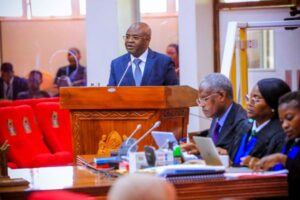
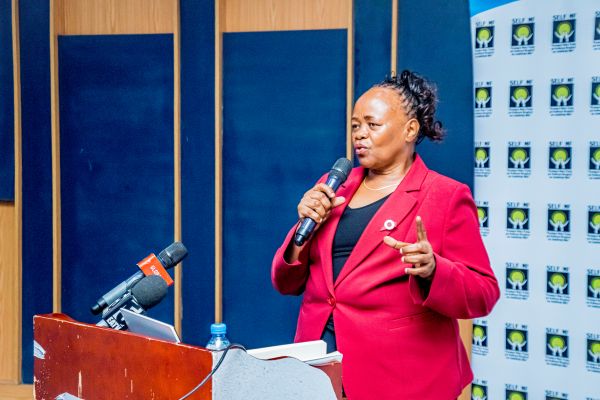
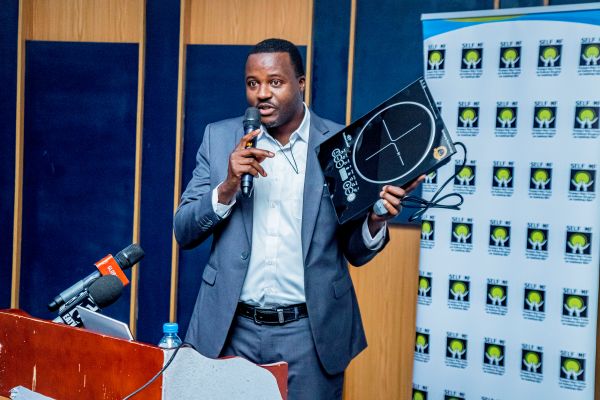
Figures presented by chief executive officer Santiel Manongi (Pictured above) show that women accounted for 66,969 beneficiaries, equivalent to 51 per cent of the total, while 19,696 beneficiaries were young people.
The fund also reported supporting the creation of 262,624 jobs during the period, highlighting the potential contribution of microfinance to employment and economic empowerment.
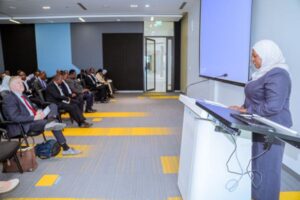
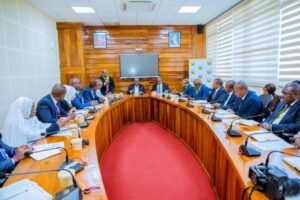
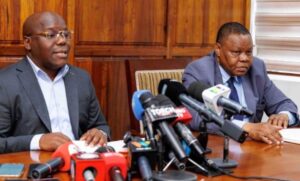
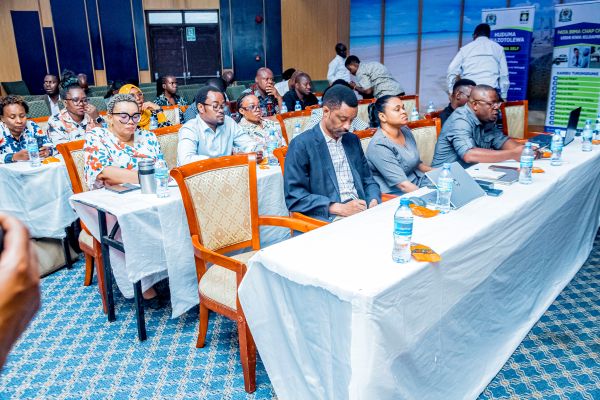
The figures were presented during a meeting between SELF management and editors, coordinated by the Office of the Treasury Registrar (OTR), to discuss the institution’s achievements, challenges and future plans.
Operating under the Ministry of Finance, SELF provides financial services primarily to low-income earners engaged in productive activities. Its mandate includes lending, promoting financial literacy and strengthening microfinance institutions.
Expanding access to capital
SELF uses two main lending channels: direct loans to beneficiaries and wholesale lending through other financial institutions.
Under the wholesale arrangement, it provides financing to microfinance institutions, savings and credit cooperative societies (SACCOS) and community-based groups, which subsequently lend to their customers.
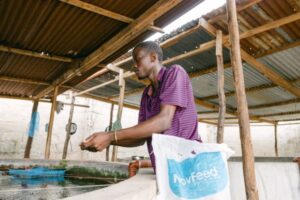
Direct beneficiaries include micro, small and medium-sized enterprises, farmers, livestock keepers and fishers. The fund also offers financing for housing improvements, clean energy and public servants.
Beyond lending, SELF provides financial education to customers, builds the capacity of microfinance institutions and promotes insurance to help borrowers manage risks such as fire and theft.
The approach is intended to help businesses obtain working capital, acquire equipment and expand operations, while enabling farmers and other producers to invest in productive assets.
However, the long-term value of these interventions depends on whether borrowers use the funds productively, generate sustainable income and repay their loans.
Women, youth and clean energy
Women and young people are important target groups for the fund.
Its youth-focused initiatives include financing for three-wheeled vehicles, commonly known as bajaj, to help young people acquire productive assets and establish income-generating activities.
SELF is also exploring opportunities in clean energy financing through a partnership with Positive Cooker to enable customers to acquire electric cooking appliances through instalment payments.
The arrangement aims to reduce the upfront cost of adopting cleaner cooking technologies and support efforts to reduce reliance on charcoal and firewood.
However, the fund’s presentation did not provide figures on the number of households already reached through the initiative.
These interventions align with Tanzania’s Development Vision 2050 priorities, which include building an inclusive and competitive economy, strengthening human capabilities and promoting environmental sustainability.
Profitability and government returns
SELF reported a profit after tax of TSh3.19 billion and a dividend payment of TSh490 million to the government. However, the presentation did not clearly specify the reporting period for these figures.
The institution operates through 12 branches, including those in Dar es Salaam, Arusha, Dodoma, Mbeya, Mwanza and Zanzibar, with additional service centres in Kigoma and Katavi.
It also participates in a government youth lending programme valued at TSh200 billion, with TSh11 billion allocated for SELF to manage, according to the presentation.
The amount received, loans actually disbursed and repayment performance would need to be established to assess the programme’s implementation.
For a publicly owned financial institution, maintaining financial sustainability while extending affordable services to underserved communities remains essential.
OTR calls for impact and accountability
Speaking on behalf of the Treasury Registrar, OTR representative Sabato Kosuri said the office oversees government assets and investments in public institutions and companies to ensure they contribute to economic development and citizens’ welfare.
He said good governance and accountability were central to this responsibility, adding that public institutions ultimately served Tanzanians, who were the owners of government investments.
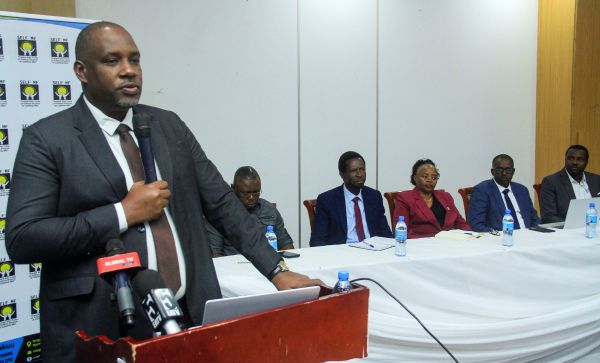
Kosuri said SELF’s performance should not be judged solely by the number or value of loans disbursed, but also by the impact of its activities on communities.
He highlighted the importance of empowering women, creating opportunities for young people and supporting environmental initiatives as part of the country’s broader development ambitions.
He also urged editors and journalists to use their platforms to inform the public accurately about the work of government institutions.
Describing the engagement as a seminar rather than a press conference, Kosuri said it was intended to encourage discussion, exchange information and build a shared understanding of SELF’s responsibilities and performance.
Financial literacy remains a challenge
Despite its reported achievements, SELF faces challenges including limited financial literacy, weak voluntary loan repayment practices and difficulties in financing businesses operating in the informal sector.
Limited financial knowledge can prevent borrowers from making informed borrowing decisions, understanding repayment obligations and using funds for their intended purposes.
Informal businesses can also make it harder for lenders to verify financial records and assess repayment capacity.
These challenges underline the need for stronger financial education, effective credit assessment and loan monitoring. While the reported figures demonstrate SELF’s reach, its long-term contribution will depend on whether financing translates into stronger businesses, higher household incomes and sustainable employment.