
The government and development partners are prioritising measurable results in tax collection, spending controls and financial transparency before the GFG III programme ends in July 2027.
By Correspondents Peter Haule and Jordan Mbwambo, Dodoma
Tanzania is stepping up efforts to strengthen public financial management, with the government urging ministries and implementing institutions to turn donor-funded technical assistance into lasting reforms, stronger institutional capacity and measurable improvements in the collection and use of public money.
The push comes as the third phase of the Good Financial Governance (GFG III) programme, supported by Germany, Switzerland and the European Union, enters its final implementation period, which runs until July 2027.
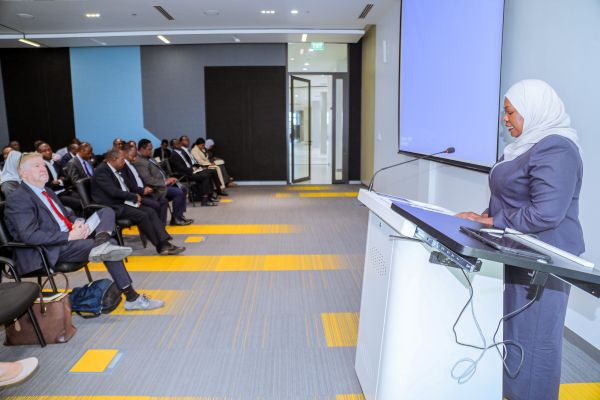
Deputy Permanent Secretary in the Ministry of Finance, Asha Khamis Abdulla, said the remaining period should focus on completing outstanding activities and embedding the programme’s achievements in government systems so that the reforms continue after external support ends.
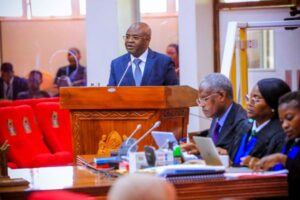
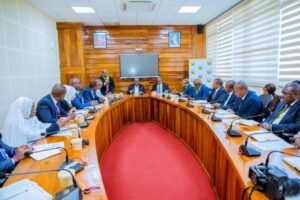
She was speaking at a meeting of the GFG III Steering Committee at the Ministry of Finance offices in Mtumba, Dodoma.
Abdulla said the programme had supported reforms in domestic revenue mobilisation, public expenditure control, fiscal policy transparency and public financial management in Zanzibar.
Other areas of support include strengthening the Tanzania Revenue Authority (TRA), improving tax expenditure reporting and tax systems, enhancing auditing and reforming public procurement.
The government wants these initiatives to contribute directly to national priorities, including Development Vision 2050, the Fourth Five-Year Development Plan (FYDP IV), the Medium-Term Revenue Strategy and the broader public financial management reform agenda.
Tax administration and procurement in focus
For Tanzania’s business community, the reform agenda has implications for tax compliance, access to public tenders and the transparency of government financial decisions.
The programme has supported TRA in developing its Seventh Corporate Strategic Plan, drawing on evidence and experience from the implementation of the previous plan.

According to figures presented at the meeting, registration among the groups referred to in the programme review increased from approximately 1,300 to more than 33,500 in 2026. Those groups also secured public tenders worth more than TSh67 billion.
The programme statement did not specify the precise categories covered by these registration figures, so the numbers should not be interpreted as representing all registered taxpayers or businesses.
The reported tender value nevertheless points to the potential economic significance of efforts to expand participation in public procurement.
Development partners have identified four priorities for the remaining implementation period: increasing the registration of small businesses and their use of Electronic Fiscal Devices (EFDs); strengthening fiscal transparency; widening stakeholder participation, including engagement with civil society organisations; and improving the investment climate for European businesses in Tanzania.
Progress in these areas could help broaden the tax base, improve compliance and make public procurement more accessible and transparent. However, expanding formal registration will need to be accompanied by practical support that enables smaller businesses to meet their tax and administrative obligations.
Digital tools and data analysis
Looking beyond the current phase, the government has proposed expanding cooperation in the use of digital technologies and data analytics for revenue collection, tax policy, internal auditing and public procurement.
Other potential areas include public-private partnerships, environmentally responsive budgeting, artificial intelligence and stronger public financial management in Zanzibar.
These priorities reflect an effort to make public institutions more effective through improved information, stronger controls and more evidence-based decisions.
Digital systems and data analysis can help tax authorities identify compliance gaps and improve revenue administration. Stronger internal auditing and procurement oversight can also help institutions identify weaknesses in financial controls and improve accountability.
However, the government has stressed that future cooperation should be driven by results, owned by public institutions and designed for sustainability. Systems, expertise and tools developed through the programme should remain useful after donor funding ends.
Development partners seek measurable results
Germany’s Head of Cooperation in Tanzania, Julia Kronberg, said the GFG programme had focused on improving revenue collection, controlling public expenditure and strengthening transparency in fiscal policy.
Supported by Germany, Switzerland and the European Union, the programme has been implemented in Tanzania since 2016, with four principal areas of focus: revenue mobilisation, public expenditure control, evidence-based fiscal policy and capacity-building in public financial management in Zanzibar.
Kronberg said development partners wanted practical results during the remaining 12 months of GFG III.
The steering committee meeting brought together the Ministry of Finance, government institutions implementing the programme and development partners, including Germany, Switzerland, the European Union and GIZ.
Participants reviewed progress, identified challenges and discussed priorities for the final implementation period. They also called for constructive dialogue, with clearly defined actions, responsibilities and measurable deadlines.
The sustainability test
The programme’s next challenge is to convert technical assistance into reforms that continue delivering results without relying on the same level of external support.

For Tanzania, that means ensuring that improvements in revenue administration, expenditure management, auditing and procurement become part of routine government operations.
It also means measuring whether the reforms improve transparency, strengthen compliance and help public institutions use limited resources more efficiently. With GFG III scheduled to end in July 2027, the remaining implementation period offers an opportunity to complete outstanding work and establish a clear basis for assessing progress.