
By Correspondent Asia Singano, Dodoma
Tanzania plans to retain its existing medium-term budget preparation guidelines for the 2027/28 financial year while reviewing key economic indicators, spending priorities and public expenditure arrangements to improve the efficiency of government spending.
The government has proposed continuing to use the Medium-Term Government Plan and Budget Preparation Guidelines for 2026/27–2028/29 rather than developing a separate framework for 2027/28. However, it will update key information and priorities to reflect changing economic conditions and the requirements of the next budget cycle.
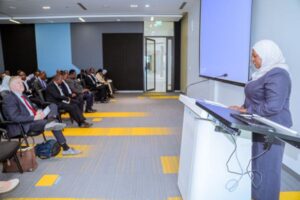
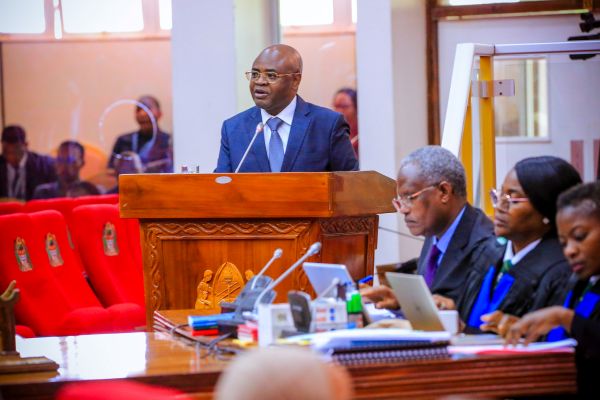
Minister of State in the President’s Office for Planning and Investment, Professor Kitila Mkumbo, presented the proposal to Parliament on behalf of Finance Minister Ambassador Khamis Mussa Omar.
Mkumbo said the existing guidelines already cover the 2027/28 financial year, making a new standalone document unnecessary.
“Since the government prepared medium-term guidelines covering 2026/27 to 2028/29, which already includes 2027/28, it proposes continuing to use those guidelines in preparing the 2027/28 plan and budget instead of preparing a separate set,” he said.
The approach is intended to maintain continuity in budget planning while allowing the government to update economic assumptions, expenditure ceilings and policy priorities before the next financial year.
Focus on spending efficiency and procurement
The planned review will cover the state of the economy, implementation of the 2026/27 budget, budget priorities and projections for the medium-term budget framework covering 2027/28 to 2029/30.
It will also assess the implementation of strategic directives contained in the existing guidelines.
Beyond macroeconomic and fiscal projections, the government intends to examine the structure of government operating costs, management of public contracts and the participation of local businesses in public tenders.
These areas have direct implications for businesses that supply goods and services to the government, as well as for the management of public resources.
A review of operating costs could help identify opportunities to improve spending discipline, while stronger contract management could support more effective delivery of publicly funded projects. Greater participation by local firms in public procurement could also create opportunities for domestic suppliers, depending on how any resulting changes are implemented.
The government has not yet specified the detailed measures that will emerge from the review or quantified the savings it expects to achieve.
Mkumbo said the findings were expected to improve the preparation of budget priorities and their implementation, increasing the efficiency of public expenditure.
Revised guidelines expected in February
Following the review, the government proposes submitting updated budget guidelines and recommendations on the government’s expenditure ceiling for 2027/28 to Parliament in February 2027.
Mkumbo said the process would comply with the Constitution of the United Republic of Tanzania, the Budget Act, Chapter 439, and the Standing Orders of Parliament adopted in 2025.
The proposed timetable will give the government an opportunity to update its economic assumptions and assess the performance of the current budget before finalising the framework for the next financial year.
The review will include updated macroeconomic targets, medium-term budget ceilings, spending priorities and an assessment of implementation of the 2026/27 budget.
These updates will be important in determining how the government allocates available resources among competing priorities and aligns expenditure plans with its economic objectives.
Strengthening the medium-term budget framework
The proposed approach is also intended to strengthen Tanzania’s Medium-Term Expenditure Framework (MTEF), which links annual budget decisions to spending plans over several years.
The government also expects it to support improvements to Programme-Based Budgeting (PBB), a system that organises public expenditure around programmes and their intended results.
Effective implementation of these approaches can help policymakers assess whether public spending is aligned with stated objectives and whether funded programmes are delivering their intended outcomes.
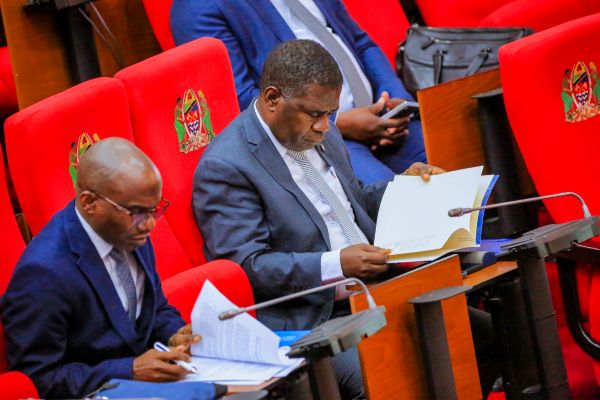
The government also plans to collect views from citizens and budget stakeholders through public hearings as part of efforts to improve the budget preparation process.
Such consultations provide an opportunity for businesses, civil society organisations and other stakeholders to raise concerns about spending priorities and make proposals on the allocation of public resources.
The government’s proposed review therefore combines continuity in the existing planning framework with a reassessment of economic conditions, expenditure priorities and the systems used to manage public funds. The key test will be whether the updated guidelines translate into more disciplined spending, better-managed public contracts and budget allocations that deliver measurable results for the economy and citizens.