

By Correspondent Benny Mwaipaja, Zanzibar
Tanzania is preparing customs systems, cargo inspection equipment and port personnel ahead of the planned September 2028 completion of Zanzibar’s Mangapwani Integrated Port, a strategic infrastructure project expected to expand the islands’ capacity to handle international trade and attract investment.
Finance Minister Khamis Mussa Omar has directed the Tanzania Revenue Authority (TRA) and the Zanzibar Ports Corporation (ZPC) to begin preparations early, warning that delays in equipping the port and establishing operational systems could undermine its efficiency once construction is complete.
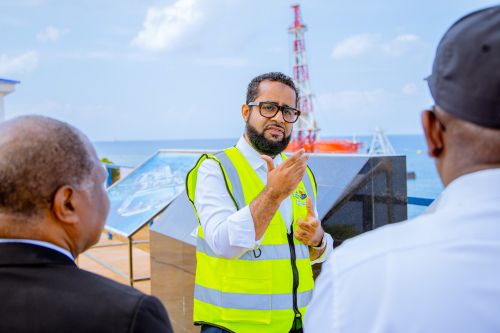
The minister issued the directive during an inspection of the project in Mangapwani, Zanzibar, where he assessed construction progress and the readiness of institutions expected to provide services at the facility.
Mangapwani is designed to accommodate large vessels and strengthen Zanzibar’s position in regional and international shipping. Its development is expected to create opportunities for customs revenue, cargo handling, logistics and related commercial activities.
“Alongside the construction of port infrastructure, all institutions responsible for providing services must coordinate their requirements to avoid a situation where the port is completed while essential operating equipment and systems remain unfinished,” Omar said.
His directive highlights a critical consideration for major infrastructure investments: the economic returns depend not only on completing physical construction but also on ensuring that the systems, equipment and personnel required for daily operations are ready.
Construction reaches 20 percent
Omar expressed satisfaction with progress reported at the project site, where construction had reached approximately 20 per cent, in line with expectations for the period under review.
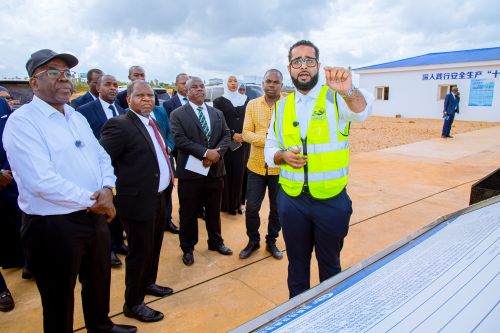
He stressed the need for the Zanzibar Ports Corporation and TRA to align their implementation schedules so that customs clearance and other port services can begin without unnecessary delays.
For businesses, the readiness of these services will be important in determining how efficiently cargo moves through the facility. Delays in customs clearance, inadequate inspection equipment or insufficient cargo-handling capacity could increase logistics costs and reduce the port’s competitiveness.
The early coordination between the two institutions is therefore intended to ensure that the port becomes operational as planned, rather than opening with critical service gaps.
Capacity to handle up to 300,000 containers
Zanzibar Ports Corporation Director Akif Ali Khamis said the Mangapwani project was among the strategic investments expected to stimulate economic growth in Zanzibar and mainland Tanzania by strengthening trade and cargo transportation.
The port is scheduled for completion in September 2028, when it is expected to be handed over to the Zanzibar Government.
Its first phase is designed to handle approximately 250,000 to 300,000 containers annually, alongside between 500,000 and one million tonnes of conventional, non-containerised cargo.
These capacities could provide Zanzibar with additional room to accommodate growing cargo volumes and support a broader range of commercial activities.
The facility is also expected to handle transshipment cargo, in which goods are transferred between vessels for onward transportation to other destinations. This business can generate demand for cargo storage, handling, shipping services and logistics operations.
However, translating the port’s designed capacity into commercial success will depend on attracting sufficient cargo volumes, maintaining efficient operations and competing effectively with established regional ports.
Customs systems and equipment are critical
Khamis identified cargo-storage infrastructure, inspection equipment, including scanners, and TRA’s customs systems as among the essential requirements for the port’s operations.
These facilities will be necessary to support cargo inspections, customs clearance and transshipment activities while minimising unnecessary disruption to trade.
For TRA, early preparation will be important in ensuring that customs procedures, personnel and technology can accommodate the anticipated volume of business.
Efficient clearance processes could help businesses manage delivery schedules, reduce avoidable delays and improve the movement of goods through Zanzibar.
The port’s capacity to handle larger vessels could also expand shipping options for importers and exporters. Nevertheless, the extent of these benefits will depend on shipping connections, demand from traders and the availability of supporting transport and logistics services.
Khamis said the facility would be expandable through subsequent phases involving additional cargo-storage areas and other infrastructure as demand increases.
This phased approach could allow capacity to grow alongside trade volumes, although future expansion will require further investment and careful planning.
A strategic investment in Zanzibar’s economy
The Mangapwani project reflects the importance of port infrastructure to Zanzibar’s ambitions to expand international trade, attract investment and strengthen its economic links with the wider region.
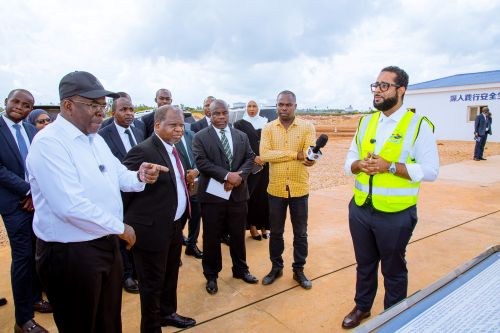
Photos by the Government Communications Unit, Ministry of Finance, Zanzibar.
A modern port can support businesses beyond shipping and customs, including warehousing, transport, freight forwarding, cargo handling and other logistics services. Increased commercial activity could also create opportunities for local suppliers and service providers.
The project’s success will depend partly on cooperation between the Union Government and the Zanzibar Government, particularly in coordinating customs operations, infrastructure development and the delivery of essential port services.
Khamis said collaboration between the two governments would be crucial to positioning Mangapwani as a commercial hub and maximising its contribution to economic development. For the private sector, the port presents potential opportunities, but its ultimate impact will be measured by its ability to attract cargo, facilitate trade efficiently and generate sustained commercial activity.