By Business Insider Reporter
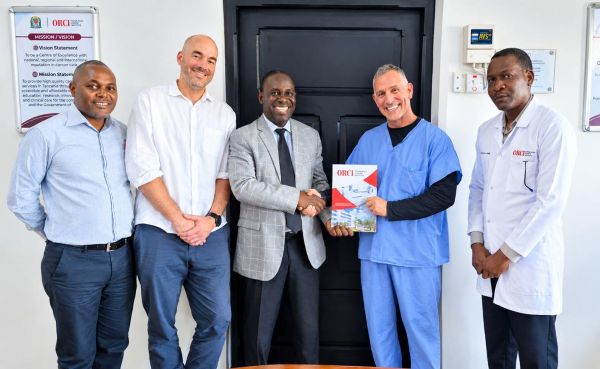
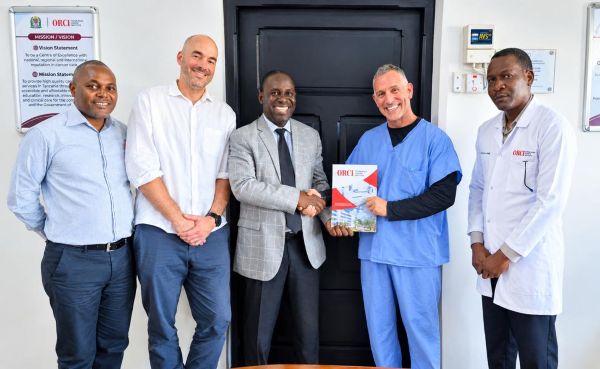
The Ocean Road Cancer Institute (ORCI) is strengthening its specialist cancer care capabilities through a partnership with United States experts to advance interventional radiology, a technology-driven approach that enables doctors to perform selected procedures without major open surgery.
The collaboration brings together ORCI specialists and American experts to develop image-guided treatment services, potentially expanding the range of cancer procedures available to patients in Tanzania.
The initiative could help strengthen local expertise, improve access to specialised care and reduce the need for some patients to travel abroad for treatments that may eventually be provided locally.
Interventional radiology uses imaging technologies, including ultrasound, computed tomography (CT) and X-rays, to guide medical instruments precisely to targeted areas inside the body.
Depending on the condition, specialists can use catheters, needles and other devices inserted through small openings to perform procedures such as biopsies, treat selected tumours or manage cancer-related complications.
For eligible patients, these techniques can reduce tissue damage, pain and recovery time compared with certain conventional surgical approaches. They may also shorten hospital stays, although benefits depend on the procedure and the patient’s condition.
Building specialist capacity
The partnership provides an opportunity to strengthen professional skills and introduce or expand advanced treatment techniques through international knowledge-sharing.
Developing local expertise is particularly important because sophisticated cancer care requires more than modern equipment. It depends on trained specialists, reliable imaging facilities, appropriate clinical protocols and coordination among radiologists, oncologists, surgeons and other healthcare professionals.
For Tanzania, stronger interventional radiology capabilities could broaden treatment options and improve access to specialised procedures closer to patients’ homes.
However, the partnership’s impact will depend on its implementation, including the availability of equipment, specialist training, the range of procedures offered and the number of patients who can access the services.
The economics of advanced cancer care
The expansion of minimally invasive procedures also presents potential economic benefits for healthcare providers and patients.
Where appropriate, shorter hospital stays and faster recovery can reduce pressure on hospital beds and other clinical resources. Patients may also return to work and normal activities sooner, limiting some of the indirect costs associated with illness.
These benefits must be weighed against the investment required in specialised equipment, maintenance, medical supplies and staff training. Ensuring that the services remain affordable will also be essential to achieving broad public-health benefits.
For ORCI, the challenge will be to translate the international collaboration into sustainable services that deliver measurable improvements in patient care.
Reducing overseas treatment costs
Access to a wider range of specialised procedures within Tanzania could reduce the need for some patients to seek treatment abroad, potentially easing the financial and logistical burden on families.
It could also help retain some healthcare spending within the domestic economy while strengthening Tanzania’s specialist medical capabilities.
Interventional radiology is not suitable for every cancer or patient, however, and does not replace treatments such as chemotherapy, radiotherapy or conventional surgery. Decisions must be based on individual clinical assessments.
The partnership’s success should ultimately be measured through indicators such as the number of procedures performed, specialists trained, patient outcomes, waiting times and affordability. As ORCI works with its United States counterparts, the priority will be to turn specialist knowledge and technology into accessible, high-quality services that strengthen Tanzania’s cancer care system over the long term.