
Partnership to focus on skills development, private-sector expansion and bankable projects ahead of Tanzania’s June 2027 investment conference.
By Correspondent Benny Mwaipaja, Bangkok
Tanzania and the United Nations Development Programme (UNDP) are seeking to strengthen cooperation on youth employment, education, investment promotion and private-sector development as the country steps up efforts to accelerate economic growth.
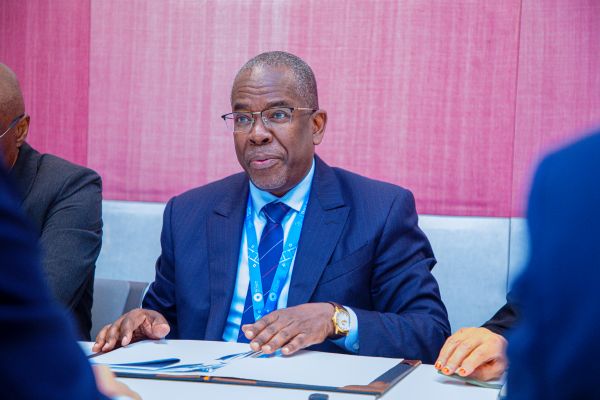
Finance Minister Ambassador Khamis Mussa Omar said the partnership would be important in addressing economic and social challenges while unlocking opportunities for young people and attracting investment into key sectors.
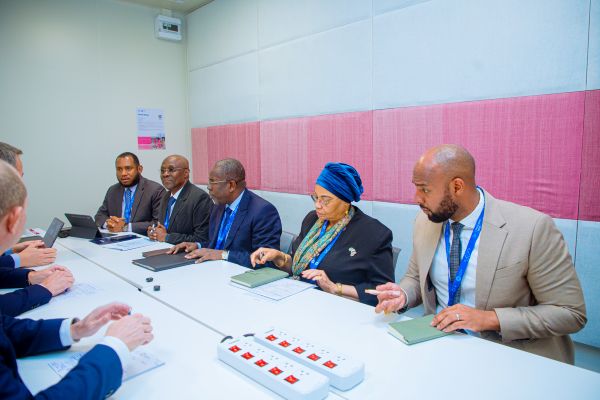
He made the remarks during a meeting with UNDP Administrator and former Belgian Prime Minister Alexander De Croo on the sidelines of the International Monetary Fund (IMF) and World Bank Annual Meetings in Bangkok, Thailand.
Omar said youth employment was a major development priority for Tanzania, given the country’s predominantly young population. He stressed the need for practical strategies to equip young people with relevant skills, affordable capital, technology, business knowledge and access to markets.
“Youth employment is a broad issue. We need to ensure that young people have the right skills, affordable capital to start businesses, technology, knowledge and access to markets so they can participate fully in productive activities and national development,” he said.
The minister said Tanzania’s youthful population could become a significant driver of economic growth if adequately supported, but warned that limited economic opportunities could create social and economic challenges, particularly when young people lose hope of achieving better living standards.
Education investment remains a priority
Omar said the government would continue investing in education and related infrastructure to meet growing demand arising from population growth.
He noted that Tanzania had made progress in expanding equitable access to education for boys and girls at different levels. However, rising enrolment needs continued to put pressure on schools, teachers, textbooks and other facilities.
Sustained investment would therefore be necessary not only to expand access but also to improve the quality of education, he said.
For businesses, stronger investment in education and skills development could help build a workforce capable of supporting industrial growth, technology adoption and the expansion of productive sectors.
Central Corridor offers investment opportunities
The minister also highlighted ongoing efforts by the government and development partners to identify investment opportunities and develop projects capable of attracting domestic and foreign capital.
He said Tanzania, working with the World Bank, was identifying business and investment opportunities along the Central Corridor, which connects the Port of Dar es Salaam to inland areas through transport infrastructure, including the Standard Gauge Railway (SGR).
The corridor could potentially extend investment opportunities towards Rwanda, strengthening its role as a regional trade and logistics route.
Omar identified agriculture, mining, tourism, transport and logistics infrastructure as sectors with significant potential to attract investment, stimulate production and create jobs.
“The corridor has considerable opportunities in agriculture, mining, tourism, transport and the development of logistics centres. These can attract investment, stimulate production and generate employment,” he said.
Developing logistics centres and improving transport connectivity could help businesses move goods more efficiently, strengthen supply chains and improve access to regional markets.
The minister added that the government was taking steps to improve the business and investment climate, including reviewing recommendations from committees established to examine challenges within the tax system and the broader business environment.
The reforms are intended to improve the tax framework and strengthen conditions for investment, although their eventual impact will depend on the measures adopted and how effectively they are implemented.
UNDP backs bankable investment projects
De Croo reaffirmed UNDP’s readiness to work with Tanzania on its development priorities, particularly youth empowerment, skills development and the expansion of economic opportunities through collaboration with the government, private sector and other development institutions.
He said investment should be treated as a long-term development strategy, with particular attention to the effective use of natural resources, including rare minerals required for the global energy transition.
De Croo also commended Tanzania for developing Integrated National Financing Frameworks (INFFs), which are intended to improve the mobilisation and coordination of resources for national development priorities.
He said UNDP, working with the Tanzania Investment and Growth Centre, aimed to turn identified opportunities into investment-ready projects supported by robust financial and commercial plans.
The initiative is expected to help prepare projects capable of attracting investors ahead of an investment conference scheduled to take place in Tanzania in June 2027.
For Tanzania, the emphasis on bankable projects is significant because identifying investment opportunities alone does not guarantee financing. Projects must also demonstrate commercial viability, clear implementation arrangements and credible financing structures to attract investors.
De Croo said UNDP was ready to support preparations for the conference and help mobilise financing for sustainable infrastructure and blue economy projects through cooperation with the Asian Infrastructure Investment Bank (AIIB).
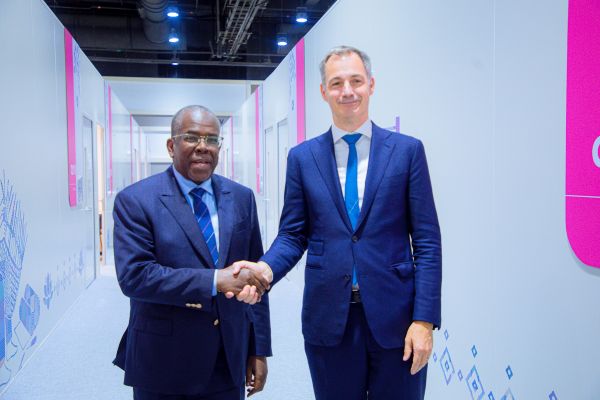
The proposed collaboration aims to accelerate project implementation and increase investment’s contribution to economic growth and public welfare.
Focus shifts to implementation
The discussions point to a shared focus on connecting Tanzania’s development priorities with practical investment opportunities, particularly in sectors capable of generating jobs and strengthening economic productivity.
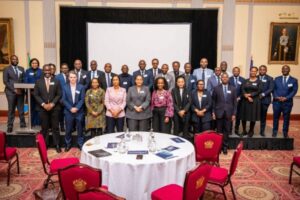
Turning that ambition into measurable results will require effective coordination between the government, development partners and private investors, alongside improvements in the business environment and the preparation of viable projects. The meeting was also attended by Zanzibar’s Minister of Finance, Juma Malik Akil; Treasury Permanent Secretary Natu El-Maamry Mwamba; Zanzibar Finance Permanent Secretary Aboud Hassan Mwinyi; member of the Parliamentary Standing Committee on Budget Enock Koola; and other government and UNDP officials.