By Special Correspondent, Arusha
The Ocean Road Cancer Institute (ORCI) is expanding access to cancer screening in Arusha, taking services closer to communities and public-sector executives as part of efforts to encourage early detection and reduce the need for patients to travel to Dar es Salaam.
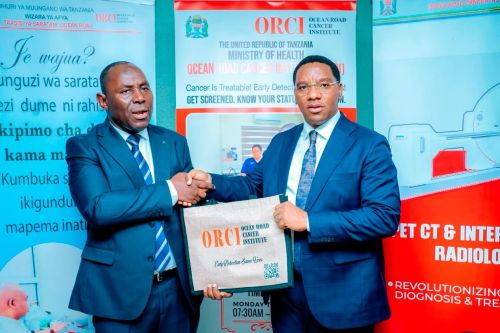
Arusha MP and Minister for Information, Culture, Arts and Sports Paul Makonda commended the institute for providing cancer screening at Kaloleni Hospital and extending the service to board chairpersons and chief executives attending the C-CEOs Forum 2026 in the city.
Makonda said bringing screening services closer to communities could help people establish their health status earlier while reducing the costs associated with travelling long distances for specialist services.
“You just leave your street and come to Kaloleni Hospital, get screened free of charge and, if a problem is detected, you receive care,” Makonda said.
“You don’t need to travel to Dar es Salaam and incur accommodation and food costs.”
He urged Arusha residents to take advantage of the screening programme, saying early detection gives patients an opportunity to seek medical attention before their condition becomes more serious.
Taking screening to executives
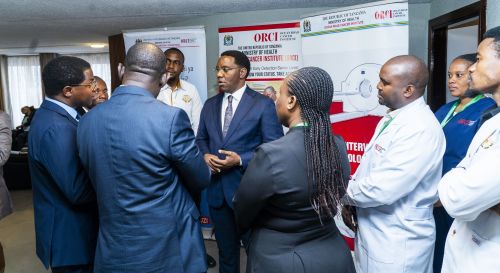
ORCI has also taken its screening and cancer-awareness services to the C-CEOs Forum 2026, which brings together board chairpersons and chief executives of public institutions and organisations under the coordination of the Office of the Treasury Registrar.
Makonda said extending the programme to the forum allows senior executives to undergo screening without interrupting their official responsibilities.
ORCI Executive Director Dr. Diwani Msemo said the institute deliberately used the gathering to reach executives who may struggle to find time for routine medical checks because of demanding schedules.
“We have done this deliberately because we know these leaders are busy with nation-building activities. Sometimes they do not have time to go to hospital to check their health until they feel sick,” Msemo said.
He said the initiative was also intended to encourage leaders to prioritise preventive healthcare and set an example by undergoing early screening.
According to Msemo, some cancers may show no symptoms during their early stages, making screening an important tool for identifying warning signs before the disease advances.
People whose screening results indicate a need for further investigation will receive medical advice and referrals for additional tests and treatment where necessary, he said.
Expanding beyond Dar
The Arusha initiative forms part of ORCI’s broader effort to expand cancer screening, awareness and treatment services beyond its main base in Dar es Salaam.
Msemo said the institute is working with the government and other stakeholders to improve access to prevention, screening and treatment across the country.
That expansion includes the development of the Mbeya Cancer Centre, while ORCI also plans to establish another cancer services centre in Arusha.
Such expansion could reduce the financial and logistical burden on patients who currently have to travel long distances to access specialist services.
For households, decentralising cancer care can potentially mean lower spending on transport, accommodation and other costs associated with seeking treatment away from home.
For the healthcare system, bringing screening closer to communities also supports a shift towards earlier detection rather than waiting until patients present with more advanced illness.
Msemo urged both leaders and the wider public to make use of screening opportunities rather than waiting for symptoms before seeking medical attention. As Tanzania works to broaden access to specialised healthcare, ORCI’s expansion beyond Dar es Salaam points to a wider challenge for the sector: ensuring advanced medical services are available closer to where people live while reducing the financial burden of travelling for care.