
By Business Insider Reporter
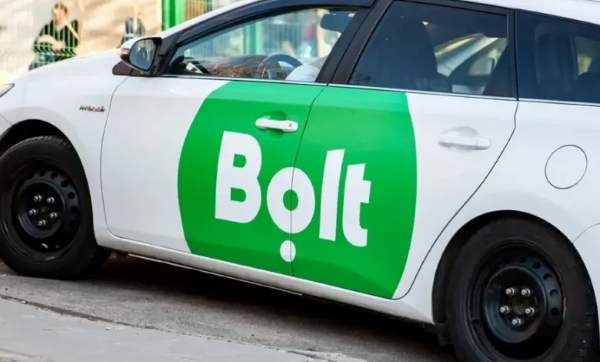
Bolt Tanzania has announced a 22 percent increase in ride fares, effective Friday, May 1, 2026, marking a significant adjustment in Tanzania’s fast-growing app-based transport sector as operators respond to rising input costs and regulatory changes.
The fare revision follows new pricing guidelines issued by Land Transport Regulatory Authority (LATRA), which recently updated tariffs across multiple transport categories – including ride-hailing, urban buses and motorcycle taxis – in response to a sharp rise in global and domestic fuel prices.
Authorities estimate fuel costs have surged by approximately 33.4 percent, placing considerable pressure on transport operators and drivers.
In a public statement, Bolt said the new fare structure is designed to cushion drivers against escalating operational expenses while maintaining service reliability.
“Fuel remains one of the most significant cost drivers for our partners, and the revised pricing model seeks to mitigate the sustained pressure from rising fuel prices,” the company noted.
New pricing framework
Under the updated LATRA framework, fare bands for ride-hailing services carrying up to four passengers include a minimum charge of TSh 4,000 and a maximum of TSh 5,000 for trips not exceeding one kilometre. Base trip charges range between TSh 1,100 and TSh 1,200, with per-kilometre rates set between TSh 1,100 and TSh 1,300. Time-based charges range from TSh 120 to TSh 150 per minute.
For motorcycle taxis (bodaboda), fares for short trips are set between TSh 1,500 and TSh 2,000, while three-wheeled vehicles (bajaji) range from TSh 3,000 to TSh 4,000 for similar distances. Commission rates across services range between 10 and 20 per cent, alongside a regulatory levy of up to one percent.
Sector implications
The fare increase highlights the growing sensitivity of Tanzania’s urban mobility ecosystem to global commodity cycles – particularly oil prices. Ride-hailing platforms, which have expanded rapidly in cities such as Dar es Salaam, are increasingly operating within tighter margins as they balance affordability for passengers with sustainability for drivers.
For consumers, the adjustment is likely to translate into higher commuting costs, particularly for daily users. However, industry analysts argue that without periodic fare reviews, driver retention and service availability could deteriorate, undermining the reliability of digital transport platforms.
At a broader level, the development underscores the evolving role of regulators in stabilising emerging sectors. By setting price bands rather than fixed tariffs, LATRA aims to strike a balance between market flexibility and consumer protection – allowing operators to adjust within controlled limits.
Outlook for digital mobility
Tanzania’s ride-hailing market remains one of the most dynamic segments within the country’s digital economy, driven by rising smartphone penetration, urbanisation and shifting consumer preferences.
Companies such as Bolt have positioned themselves as key players in expanding access to on-demand transport while creating income opportunities for thousands of drivers.
Despite current cost pressures, the long-term outlook for the sector remains positive. Continued investment in digital infrastructure, alongside regulatory clarity, is expected to support further growth. However, the sustainability of the model will increasingly depend on how effectively operators manage cost volatility – particularly fuel – and explore efficiencies such as route optimisation, electric mobility and platform innovation.
Bolt reaffirmed its commitment to working closely with regulators during this transition, emphasising transparency, safety and long-term sustainability as central pillars of its operations in Tanzania. As the market adjusts to the new pricing reality, the interplay between regulation, technology and economic fundamentals will continue to shape the future of urban mobility in the country.