By Business Insider Reporter
The World Health Organization has launched a renewed global call for science-led collaboration to strengthen health systems, marking World Health Day 2026 under the theme “Together for health. Stand with science.”
The campaign, unveiled ahead of the organisation’s founding anniversary on April 7, signals a year-long push to reinforce evidence-based policymaking at a time of mounting global health and economic risks.
Health gains achieved over the past two decades continue to anchor economic productivity worldwide. The World Health Organization notes that maternal mortality has declined by more than 40 percent since 2000, while deaths among children under five have fallen by over half.
These improvements have strengthened labour productivity, reduced pressure on public health systems and supported human capital development, which remains central to long-term economic growth. Scientific advances have also transformed once-fatal conditions, including HIV, hypertension and certain cancers, into manageable diseases, extending working lives and improving economic resilience.
Despite this progress, the global health landscape is becoming increasingly complex.
Climate change, environmental degradation and shifting demographics are driving new health risks, including disease outbreaks and rising non-communicable diseases.
For African economies such as Tanzania, these pressures translate into higher healthcare costs, increased fiscal strain and potential disruptions to labour markets.
The WHO cautions that without sustained investment in science and health systems, recent development gains could be reversed.
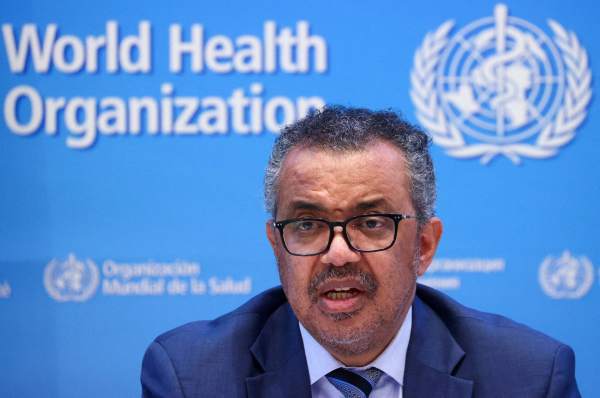
WHO Director-General Tedros Adhanom Ghebreyesus (pictured above) emphasised that science remains central to global progress, noting that innovations such as vaccines, antibiotics, medical imaging and genomic research have transformed both health outcomes and economic systems.
He highlighted that people are living longer and healthier lives largely because of scientific breakthroughs and global cooperation.
Evidence of the economic value of science-driven health interventions is substantial. Global immunisation programmes have saved more than 154 million children over the past 50 years, while vaccines alone have contributed to a 40 percent reduction in infant mortality. Advances in early screening technologies are also improving health outcomes by enabling timely diagnosis, reducing the long-term cost burden on health systems.
To reinforce the 2026 campaign, the WHO is convening high-level global forums, including a One Health Summit in France and a gathering of more than 800 research institutions through its Collaborating Centres network.
These platforms are expected to strengthen cross-border research collaboration, improve policy coordination and mobilise investment in health innovation.
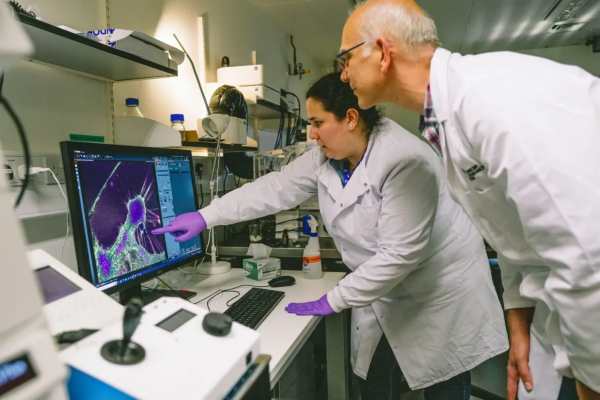
For East Africa, such initiatives could support priorities such as disease surveillance, pharmaceutical manufacturing and digital health systems.
The WHO’s call comes at a time when East Africa is positioning itself as a high-growth region, with increasing emphasis on industrialisation and human capital development.
Experts argue that sustaining this growth will depend heavily on stronger public health systems, expanded access to quality healthcare and the integration of science and technology into service delivery.
Without these elements, workforce productivity and regional competitiveness could be constrained.
The WHO Chief Scientist, Sylvie Briand, warned that abandoning science-driven decision-making risks policy failures and inefficient allocation of resources.
Her remarks reinforce the view that health investment should be treated not only as a social imperative but also as a core economic strategy.
As World Health Day 2026 launches a year-long advocacy campaign, policymakers face the challenge of translating scientific progress into accessible and equitable healthcare systems. For East Africa, aligning health policy with science and innovation will be critical to sustaining growth, strengthening resilience and unlocking the full potential of its demographic dividend.