By Business Insider Reporter
Singida BS FC have dismissed their entire technical bench headed by David Ouma (pictured), in a sweeping restructuring move, underscoring mounting performance pressures and the increasingly volatile nature of Tanzania’s top-flight football.
The decision, confirmed through club-aligned social media channels, follows a string of underwhelming results, including a recent defeat that appears to have triggered immediate action by the club’s management.
Since its former technician, Miguel Gamond, left the club after being assigned national team dutues, Singida BS has bewen in the poor run.
Performance pressure and strategic reset
The sacking of the entire technical bench – rather than a single head coach – signals a broader institutional reset within the Singida-based club. Analysts view the move as an attempt to address not only tactical shortcomings but also internal cohesion, player management, and technical direction.
The club, which has rapidly risen in prominence in recent years, including qualification for continental competition, had been expected to maintain a competitive trajectory in the Tanzania Premier League.
However, recent performances have fallen short of expectations, placing management under pressure from both investors and supporters.
A pattern in Tanzanian football
Singida BS’s decision reflects a wider trend of managerial instability across the league. Coaching changes have become increasingly frequent, often driven by short-term performance targets and heightened competition among clubs seeking continental qualification.
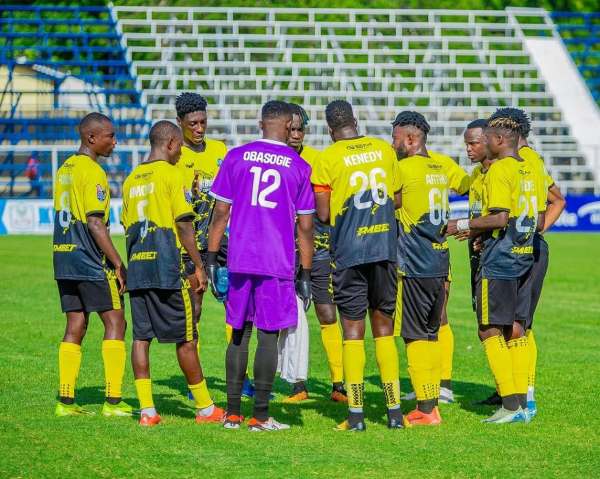
Earlier in the 2024/25 cycle, the club had already parted ways with head coach Patrick Aussems following inconsistent results, highlighting a pattern of low tolerance for underperformance.
This revolving-door approach to technical leadership raises questions about long-term team development strategies, player stability and dressing room morale, return on investment for club owners as well as investor Expectations and Commercial Stakes.
The restructuring also reflects the growing commercialisation of Tanzanian football. Clubs like Singida BS FC have attracted new ownership and investment, raising expectations for immediate success.
With increased spending on player recruitment, infrastructure, and branding, clubs are under pressure to deliver strong league finishes, qualification for CAF competitions and enhanced fan engagement and matchday revenues.
Failure to meet these benchmarks often results in swift managerial changes, as seen in this case.
Technical instability vs competitive ambition
While such decisions may offer short-term momentum, football analysts caution that frequent changes to the technical bench can undermine continuity and tactical identity.
For Singida, the challenge now lies in appointing a technically sound and stable coaching structure, rebuilding confidence within the squad and aligning long-term football philosophy with investor expectations
League-wide implications
Now that Ouma and his men are gone, the episode highlights the increasing competitiveness – and volatility – of the Tanzania Premier League, where clubs are rapidly professionalising but often without corresponding institutional stability.
As more teams chase limited continental slots and commercial returns, managerial turnover is likely to remain high, raising broader questions about governance, planning, and sustainability within the domestic game.
Way ahead
For Singida BS FC, the dismissal of the entire technical bench represents a high-stakes gamble. While it may reset the club’s trajectory in the short term, its long-term success will depend on whether the next appointment delivers both results and stability in an increasingly demanding football environment.