
By Peter Nyanje
Africa is maintaining steady economic momentum despite mounting global uncertainties, with East Africa consolidating its position as the continent’s fastest-growing region and a critical driver of future investment flows.
According to the latest outlook from the African Development Bank, Africa’s economy remains resilient in the face of tightening global financial conditions, geopolitical tensions and climate-related disruptions.
The continent is projected to grow from 4.2 percent in 2025 to 4.3 percent in 2026, supported largely by domestic consumption and renewed infrastructure investment.
East Africa leads growth
East Africa continues to outperform other regions, posting an estimated growth rate of 6.4 percent in 2025. Economies such as Ethiopia, Rwanda and Tanzania are driving expansion through a mix of public infrastructure investment, logistics integration and rapid digitalisation of services.
Analysts note that this combination is gradually transforming the region into a potential “prosperity corridor”, with spillover effects expected across neighbouring economies through trade, transport linkages and regional value chains.

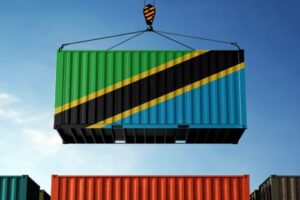
For Tanzania, continued investments in transport infrastructure, energy and agricultural value chains position it as a key node in this emerging growth belt.
Growth broadens beyond traditional heavyweights
A notable shift in Africa’s economic trajectory is the widening base of growth.
The African Development Bank estimates that 24 countries will record growth above 5 percent in 2025, while 12 African economies now rank among the fastest-growing globally.
This marks a departure from the long-standing pattern where growth was concentrated in a handful of large economies. Instead, expansion is now more geographically distributed across East, West and North Africa.
In West Africa, countries such as Senegal and Benin are benefiting from infrastructure and energy investments, while North African economies, including Morocco and Egypt, are leveraging tourism recovery and service-sector diversification.
Investment flows rise on energy and infrastructure push
Across the continent, large-scale investments in hydrocarbons, renewable energy and logistics infrastructure are reshaping Africa’s economic landscape.
These projects are not only boosting domestic production but also enhancing the continent’s attractiveness to global investors seeking diversification amid shifting trade routes.
Infrastructure projects delayed during the pandemic are now being implemented, contributing to modest improvements in employment and supporting private sector activity.
Inflation eases, but debt pressures persist
Macroeconomic conditions are showing signs of stabilisation. Average inflation across Africa is projected to decline to 10.3 percent in 2026, reflecting easing global price pressures and tighter monetary policies in several economies.
However, this improvement is uneven, with food inflation remaining elevated in some markets – particularly those vulnerable to climate shocks.
At the same time, Africa’s total public debt has exceeded US$1.8 trillion, raising concerns about fiscal sustainability. Borrowing to finance infrastructure – combined with higher global interest rates – has increased debt-servicing burdens across several economies.
Growth still below threshold for structural transformation
Despite the positive trajectory, economists caution that current growth levels remain insufficient to drive broad-based socio-economic transformation.
Experts argue that sustained growth of at least 7 percent is required to:
- Reduce poverty at scale
- Generate quality employment for Africa’s rapidly growing youth population
- Support industrialisation and structural economic change
Without this acceleration, the risk remains that growth will not translate into meaningful improvements in living standards.
AfCFTA seen as catalyst for next phase
The African Continental Free Trade Area is increasingly viewed as a critical lever for unlocking Africa’s next phase of growth.
By deepening intra-African trade and promoting value-added production, the agreement could help reduce reliance on commodity exports and strengthen resilience to external shocks.
For East Africa, where regional integration is already relatively advanced, AfCFTA presents opportunities to:
- Expand cross-border trade
- Build regional manufacturing hubs
- Enhance competitiveness in global value chains
From growth to inclusive development
Africa’s economic resilience in 2026 underscores its growing role in the global economy. However, the central challenge for policymakers is shifting from growth momentum to inclusive development.
For East Africa – and Tanzania in particular – the next phase will depend on translating infrastructure-led expansion into:
- Industrial growth
- Job creation
- Increased productivity across key sectors
As global uncertainty persists, Africa’s ability to convert its current trajectory into a sustainable and inclusive economic model will define its competitiveness over the coming decade.