By Business Insider Reporter, Mwanza
A fatal attack during a Catholic church service in Ukerewe District has drawn renewed attention to community security, emergency response systems, and the broader socio-economic risks associated with public safety incidents in Tanzania.
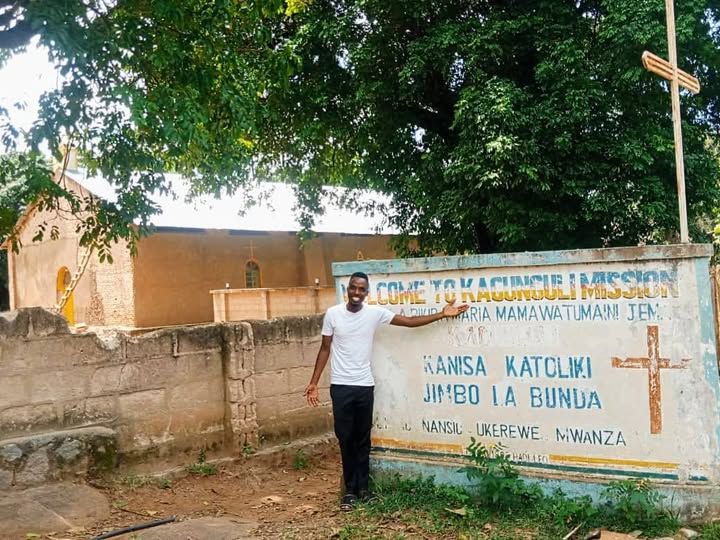
According to the Tanzania Police Force, the incident occurred in the early hours of April 5 at Kagunguli Parish, where a 38-year-old man, identified as Renatus Silivester, allegedly attacked two church leaders with a machete before being fatally assaulted by a mob.
Police reports indicate that the suspect entered the church during an ongoing service and approached the altar, prompting intervention from parish officials.
In the ensuing confrontation, two individuals sustained injuries and were later transferred to Bugando Zonal Referral Hospital, where they are reported to be recovering.
While the episode appears isolated, analysts note that such incidents carry implications that extend beyond immediate casualties, particularly in regions where informal economies and community-based institutions are central to livelihoods.
Churches and religious gatherings serve not only spiritual roles but also function as social and economic anchors, facilitating community financing groups, informal lending networks, and social protection systems. Disruptions to these spaces can therefore have secondary economic effects, especially in rural districts such as Ukerewe.
Mob justice and rule-of-law concerns
The death of the suspect following mob action underscores persistent challenges around law enforcement capacity and public trust in formal justice systems.
The Tanzania Police Force confirmed that the suspect succumbed to injuries sustained during the assault by members of the public before reaching medical care.
Although not directly linked to commercial activity, isolated security incidents can influence perceptions of stability, particularly for investors assessing risk in secondary regions.
Mwanza, a key commercial hub in the Lake Zone, plays a strategic role in trade, fisheries, and cross-border commerce.
Context of elevated national tensions
The incident comes amid a broader backdrop of heightened national sensitivity following the 2025 general elections. While authorities have not established any political link to the Ukerewe, the environment remains one of increased vigilance.
Religious institutions, including the Catholic Church, have in recent months taken visible positions on national issues, occasionally placing them at the centre of public discourse. This evolving role further underscores the importance of safeguarding such spaces from violence.
Policy and institutional response
The Tanzania Police Force has launched an investigation into the incident. However, the episode raises wider policy considerations, including strengthening community policing frameworks and enhancing early detection of behavioural and mental health risks.
As investigations continue, the Ukerewe incident serves as a reminder of the intersection between public safety, social cohesion, and economic resilience. For policymakers and local authorities, the priority will be to reinforce trust in formal security systems while ensuring that community institutions – critical to both social stability and economic activity – remain protected. In an economy where informal networks underpin livelihoods, even isolated disruptions can carry disproportionate consequences, making preventive governance and responsive security systems essential components of sustainable development.