By Correspondent Benny Mwaipaya, Tangier – Morocco
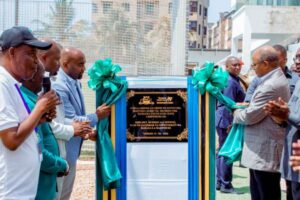
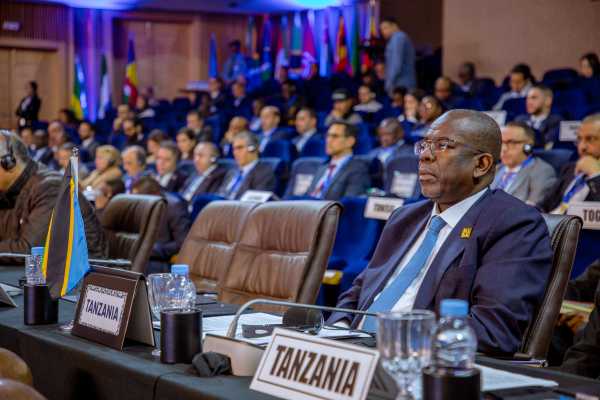
African economies must adopt coordinated and forward-looking strategies to cushion themselves against the economic fallout of ongoing conflict in the Middle East, Tanzania’s Minister for Finance, Khamis Mussa Omar (pictured), has said.
Speaking at the 58th Conference of African Ministers of Finance, Planning and Economic Development and Central Bank Governors in Tangier, Morocco, Omar called for a unified continental approach to designing short-, medium- and long-term policies aimed at reducing external dependency and strengthening economic resilience.
The remarks came during deliberations on a report by the United Nations Economic Commission for Africa, which assessed the economic and social implications of the ongoing Middle East crisis on African economies.
The report highlights growing vulnerabilities linked to global supply chain disruptions, rising commodity prices and declining investor confidence.
Minister Omar warned that African economies remain highly exposed to external shocks, particularly those tied to geopolitically sensitive trade corridors.
“This is the time for Africa to rethink its economic model and prioritise resilience, inclusivity and sustainability,” he said, noting that the current crisis underscores long-standing structural weaknesses.
Tourism and trade under pressure
Countries with strong reliance on tourism are expected to be among the hardest hit, as geopolitical instability dampens global travel demand. For Tanzania and other regional economies, the Middle East serves not only as a key tourism source market but also as a strategic transit hub linking Africa to Europe and Asia.
He noted that Tanzania is closely monitoring developments through coordination across sectoral ministries and institutions to determine appropriate policy responses aimed at safeguarding macroeconomic stability and protecting livelihoods.
The conflict has also disrupted trade flows, given the Middle East’s role as a critical gateway for African exports and imports. Shipping routes, energy supplies and logistics chains have all come under pressure, raising costs for businesses and governments alike.
A case for economic self-reliance
Against this backdrop, African leaders are being urged to accelerate efforts towards economic self-reliance by leveraging the continent’s vast natural resources.
Omar emphasised that Africa possesses sufficient reserves of key commodities – including energy resources and fertiliser inputs – that could be developed locally through stronger intra-African collaboration.
He pointed to the African Continental Free Trade Area as a critical platform for unlocking regional trade potential, reducing reliance on external markets and building integrated value chains across the continent.
“For years, Africa has discussed the need to fully utilise its resources. The current global environment presents a clear opportunity to act decisively,” he said.
Calls for reform in global financial systems
Beyond domestic reforms, the Minister stressed the importance of continued engagement in global discussions on restructuring the international financial architecture.
Under the coordination of UNECA, African countries are pushing for reforms that would improve access to affordable financing for development.
Analysts note that limited fiscal space and high borrowing costs remain major constraints for many African economies, particularly in the wake of successive global shocks, including the COVID-19 pandemic and geopolitical conflicts.
Mr. Omar underscored that progress in these reforms will depend heavily on unity among African nations.
“A stronger, coordinated voice is essential if Africa is to secure fairer terms in global financial markets,” he said.
Policy shifts and regional integration
Participants at the conference echoed the need for policy adjustments aimed at reducing trade barriers and improving cross-border movement of goods. Calls were also made for African countries to open up borders further and harmonise regulations to facilitate intra-continental trade.
Energy security emerged as another critical theme, with delegates urging increased investment in domestic oil production and alternative energy sources to mitigate the impact of global price volatility. As global uncertainty persists, the discussions in Tangier reflect a growing consensus that Africa’s economic future will hinge on its ability to build internal resilience, deepen regional integration and reduce vulnerability to external shocks.