
By Correspondent Joseph Mahumi
International credit rating agency Fitch Ratings has reaffirmed Tanzania’s long-term foreign and local currency issuer default rating at ‘B+’, maintaining a stable outlook.
The move underscores the agency’s confidence in the East African nation’s economic trajectory and financial stability over the medium term.
According to the Fitch assessment, Tanzania continues to benefit from solid GDP growth, low inflation, and a manageable debt profile relative to peer countries.
The country’s robust economic performance has also supported continued access to external financing, including through the International Monetary Fund (IMF) programs such as the Extended Credit Facility (ECF), which provides concessional loans to strengthen the economy across production sectors and social services, as well as the Resilience and Sustainability Facility (RSF) aimed at mitigating climate-related risks.
Fitch’s report notes that the October 2025 electoral victory of President Samia Suluhu Hassan is expected to sustain sound economic policies, supporting ongoing reform agendas and the creation of an enabling environment for domestic and foreign investment.
The agency projects Tanzania’s economic growth to continue at a rate of approximately 6% in 2026 and 2027, above the average for ‘B’-rated countries.
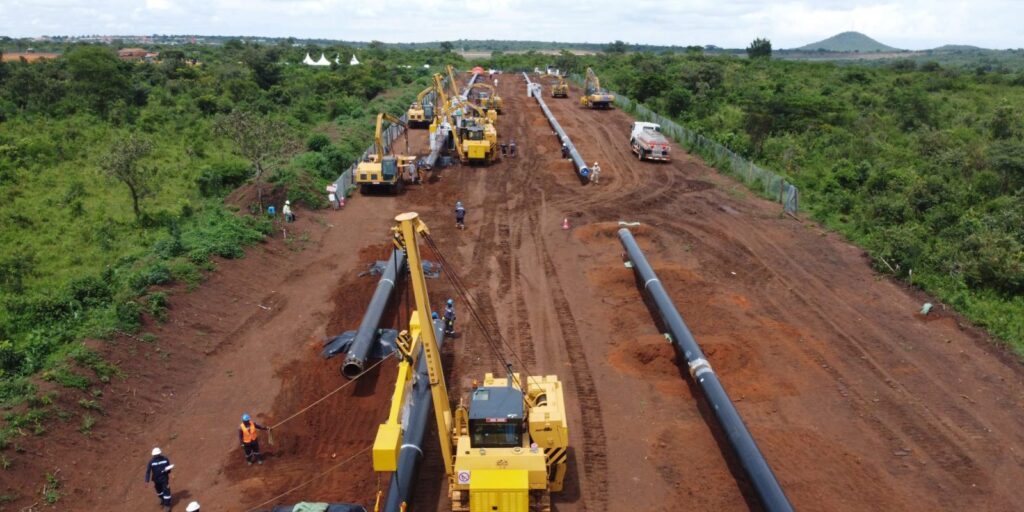
Key drivers include agriculture, mining, and major infrastructure investments such as the Standard Gauge Railway and the East African Crude Oil Pipeline (EACOP).
On public finances, Fitch anticipates the budget deficit to remain near 3 percent of GDP through 2026–2027, while revenue collection strengthens, rising from 14.2 percent of GDP in 2021 to 15.9 percent in 2025.
Tourism earnings reached US$ 4.4 billion in 2025, representing 25 percent of total exports of goods and services, and gold exports further bolstered foreign exchange inflows with US$ 4.7 billion, equivalent to 27 percent of total exports.
Government debt is expected to decline to 47 percent of GDP by 2027, supported by economic growth and disciplined fiscal management.
The report also highlighted recent improvements in public financial management, including reductions in supplier arrears and VAT refunds.
By December 2025, verified arrears fell to 0.2 percent of GDP, down from 1.2 percent in December 2022, enhancing transparency and fiscal efficiency.
“I congratulate the Ministry and all relevant institutions for effectively managing this critical sector of the economy. These results are encouraging for the nation’s development and reinforce Tanzania’s credibility in international financial markets,” said Natu El-maamry Mwamba. Overall, the reaffirmation of the ‘B+’ rating with a stable outlook signals that Tanzania continues to build a solid economic foundation, strengthening investor confidence both domestically and internationally, and demonstrating resilience in navigating external shocks.