By Business Insider Reporter
Tanzania is placing businesses at the heart of its long-term economic transformation, with the private sector expected to generate 70 percent of a projected US$1 trillion economy by 2050.
The Permanent Secretary in the President’s Office for Planning and Investment, Dr. Fred Msemwa, said the government’s strategy is to grow and strengthen businesses – ranging from large corporations to general enterprises (SMEs) and investors – so they become the primary engine of national growth.
Speaking in Dodoma while opening the ministry’s Workers’ Council meeting on March 25, 2026, Dr. Msemwa said the vision marks a clear shift towards a private sector-led economy, where investment – not public spending alone – drives expansion.
“This direction places a major responsibility on us to stimulate business activity and create jobs, especially for the youth,” he said.
Beyond policy signalling, the 70 percent target effectively outlines how Tanzania plans to finance its development ambitions under Dira 2050.
Dr. Msemwa said the bulk of funding will come from private capital – through corporate investment, entrepreneurship, and foreign direct investment – rather than relying heavily on government budgets, borrowing, or aid.
The scale of ambition is significant. Growing the economy to US$1 trillion implies a tenfold expansion, requiring sustained, large-scale investment over the next two decades. This elevates the importance of long-term financing tools such as capital markets, pension funds, insurance investments, and public-private partnerships.
Dr. Msemwa noted that ongoing reforms to improve the business and investment climate are central to this strategy. By making regulations more predictable, reducing bureaucracy, and strengthening institutions, the government aims to attract more capital and lower the cost of doing business.
In this context, initiatives to streamline investment processes are not just administrative improvements – they are deliberate efforts to unlock financing by boosting investor confidence and reducing risk.
He also stressed that investment must translate into tangible social benefits, particularly job creation. As a result, sectors such as manufacturing, agribusiness, digital services, and SMEs are expected to play a leading role in absorbing labour and driving inclusive growth.
Equally critical, he emphasized, is building human capital within institutions managing business and investment. He urged continuous learning among staff, warning that weak technical capacity could lead to costly national setbacks.
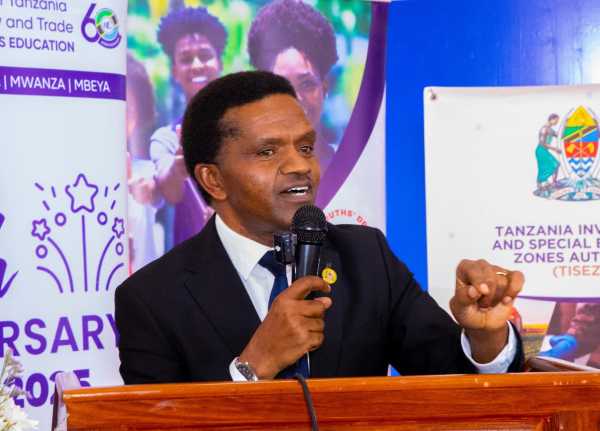
“Knowledge is essential in handling investment matters. Without it, the country risks making decisions that could result in significant losses,” he said.
The focus on systems such as PEPMIS (Public Employees Performance Management Information System) further highlights the role of institutional efficiency in attracting investment. Strong, transparent systems help reduce corruption risks, minimize delays, and improve accountability – key factors that influence investor decisions.
Taken together, the message is clear: Tanzania is positioning itself to finance its future through investment-led growth, with the private sector taking the lead. If successfully implemented, this approach could redefine the country’s development model – shifting it from reliance on public resources to a dynamic, private capital-driven economy capable of delivering sustained growth, jobs, and prosperity by 2050.