By Business Insider Reporter
China will scrap tariffs on imports from 53 African countries from May 1, marking a significant expansion of its preferential trade policy with the continent and reinforcing its position as Africa’s largest trading partner.
The move extends an existing zero-tariff regime that previously applied to 33 African countries. Eswatini is the only African nation excluded from the arrangement, as it maintains diplomatic relations with Taiwan, which Beijing considers a breakaway province.
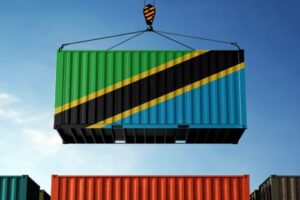
For Tanzania, the policy reinforces an already robust economic relationship with China. China has been Tanzania’s largest trading partner for nearly a decade, with bilateral trade approaching US$9 billion in 2024.
By mid-2025, trade volume between the two countries hit about US$4.1 billion in just the first half of the year, indicating continued expansion.
Chinese firms are also among the country’s largest foreign investors, with projects spanning manufacturing, mining, construction and infrastructure.
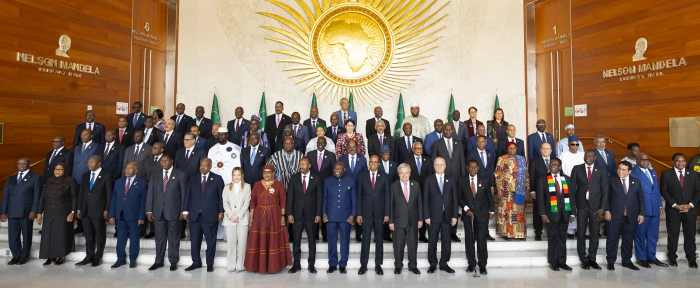
Announcing the decision as African leaders gathered in Addis Ababa for the annual African Union summit, Chinese President Xi Jinping said the policy would “undoubtedly provide new opportunities for African development,” signalling Beijing’s intent to deepen trade-led engagement with the continent.
China–Africa trade has grown rapidly over the past two decades, rising from less than US$20 billion in 2000 to well over US$300 billion annually in recent years.
China has held the position of Africa’s largest trading partner for more than a decade, exporting manufactured goods such as machinery, electronics and vehicles, while importing African commodities and agricultural products including oil, metals, coffee and nuts.
The tariff-free expansion comes weeks after the United States renewed the African Growth and Opportunity Act (AGOA), its preferential trade programme for sub-Saharan Africa.
The timing highlights intensifying competition between the world’s two largest economies for economic influence in Africa, particularly access to strategic minerals used in defence, energy transition and electronics manufacturing.
Analysts say the zero-tariff policy could boost the competitiveness of African exports in the Chinese market, particularly for agricultural producers and light manufacturers.
However, they also caution that without stronger industrial capacity, many African economies risk deepening their reliance on raw commodity exports, leaving them exposed to global price volatility and limiting domestic value addition. As China recalibrates its Africa engagement toward trade facilitation and commercially viable investment, the success of the tariff-free initiative will depend largely on African countries’ ability to expand production, diversify exports and capture more value within their own economies.