By Business Insider Reporter, Geita
The Chairperson of the Board of Directors of the National Environment Management Council (NEMC), Engineer Mwanasha Tumbo, has officially launched a model gold processing facility for small-scale miners in Mgusu, Geita Region – marking a significant step towards cleaner, safer and more sustainable artisanal mining practices in Tanzania.
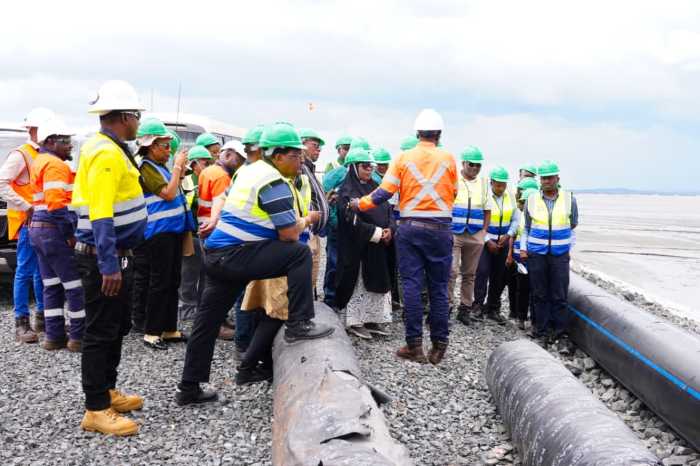
The launch formed part of a working visit by the NEMC Board and senior management to Geita, aimed at assessing environmental compliance and promoting the adoption of safer, environmentally friendly technologies in small-scale gold mining operations.
Tackling mercury use in artisanal mining
The model processing site is designed to demonstrate improved mineral beneficiation techniques while reducing – and ultimately eliminating – the use of mercury, a toxic chemical widely used in artisanal and small-scale gold mining (ASGM).
Mercury poses serious health and environmental risks, contaminating water sources, soil and air, and exposing miners and surrounding communities to long-term health complications.
Tanzania, as a signatory to the Minamata Convention on Mercury, has committed to reducing mercury use in gold processing, particularly in the informal mining sector, which employs hundreds of thousands of Tanzanians.
Speaking at the launch, Engineer Tumbo emphasised the importance of adopting best practices in mineral processing to safeguard miners’ health, protect nearby communities and preserve the environment.
“This model processing facility should serve as a catalyst for change,” she said. “Small-scale miners must embrace safer and more efficient technologies that protect both livelihoods and the environment. Responsible mining is not optional – it is essential for sustainable development.”
The facility is expected to act as a demonstration site, encouraging processors and miners across Geita and neighbouring regions to replicate improved systems that enhance gold recovery rates while minimising environmental damage.
Awareness centre to support behavioural change
During the visit, the Board also inspected the construction site of an Environmental Awareness Centre being established under the Environmental Health and Pollution Management Project (EHPMP), which focuses on controlling mercury use among small-scale gold miners.
Once completed, the centre will provide training and public education on the dangers of mercury exposure and promote alternative gold extraction technologies that are safer for both human health and ecosystems. It is expected to serve as a regional hub for environmental sensitisation, technical training and compliance support.
Geita Region is one of Tanzania’s most important gold-producing areas, hosting both large-scale operations – such as Geita Gold Mining Limited (GGM) – and thousands of artisanal miners who depend on gold for their livelihoods. While the sector contributes significantly to rural incomes and foreign exchange earnings, environmental degradation and unsafe processing methods have remained persistent challenges.
Strengthening regional collaboration
As part of the visit, the NEMC Board met with the Geita Regional Commissioner, Mr Martin Reuben Shigella, who welcomed the initiative and commended the strong collaboration between NEMC and regional authorities.
He underscored the need to deepen cooperation to ensure sustainable exploitation of mineral resources while safeguarding the environment for future generations.
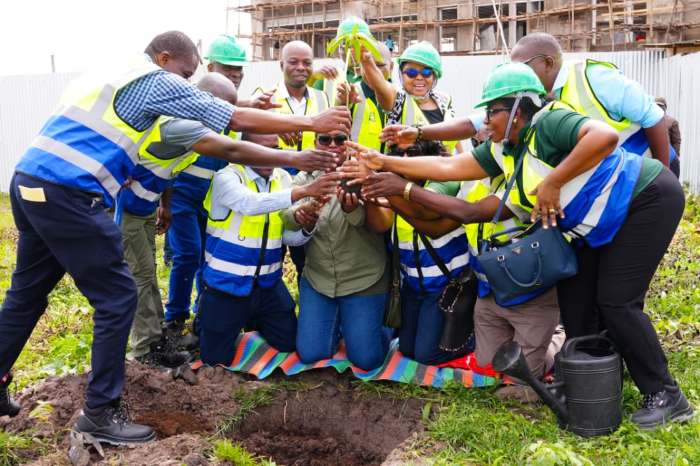
The delegation also participated in a tree-planting exercise at the site of the new Awareness Centre, signalling a broader commitment to environmental restoration and climate resilience in mining communities.
Learning from large-scale mining standards
The visit included a tour of Geita Gold Mining (GGM), where Board members reviewed environmental management systems implemented by the large-scale operator. The delegation observed measures aimed at ensuring compliance with national regulations and international environmental standards, including waste management, land rehabilitation and water protection systems.
Observers note that one of the key policy objectives is to gradually bridge the environmental performance gap between large-scale and artisanal mining operations by transferring knowledge, technology and regulatory oversight into the small-scale sector.
Towards sustainable artisanal mining
Overall, the visit reinforced NEMC’s oversight role while strengthening partnerships with regional authorities, mining stakeholders and development partners. It also highlighted the government’s growing focus on formalising and modernising artisanal mining – a sector that supports livelihoods but must evolve to meet environmental and public health standards. For Tanzania’s mining industry, which remains a cornerstone of the national economy, the success of such initiatives could prove pivotal in balancing economic growth with environmental stewardship and social responsibility.