
By Mwanamkasi Jumbe
More than 6.6 million people across 64 local government authorities – 54 on mainland Tanzania and 11 in Zanzibar – are set to benefit from the newly launched Scaling Up Locally Led Climate Action (SCALE) programme, a major initiative designed to strengthen community resilience and expand climate mitigation efforts at the grassroots level.
SCALE is a global umbrella programme that helps participating countries tap into World Bank-backed projects with high emissions-reduction potential. It supports governments to mobilise debt-neutral financing from international carbon markets, enabling them to implement low-emission and climate-resilient development without adding pressure to public debt.
Speaking on the sidelines of the 30th United Nations Climate Change Conference (COP30) in Brazil, Deputy Permanent Secretary in the Ministry of Regional Administration and Local Government, Eng. Rogatus Matwivila, emphasised that the programme marks a significant step in Tanzania’s climate strategy.
“The programme is crucial for the implementation of the national strategy on climate change because it places communities at the centre of mitigation and adaptation efforts,” he said. “Locally led actions ensure that people who are most affected by climate impacts are also part of the solutions.”
Eng. Matwivila noted that the government, through the Tanzania Rural and Urban Roads Agency (TARURA), is intensifying environmental management in infrastructure construction. This includes climate-proofing rural roads and building stronger bridges to withstand increased flooding and erosion linked to extreme weather events.
He added that the resilience of transport networks is key to protecting livelihoods, improving mobility, and safeguarding access to essential services during climate shocks.
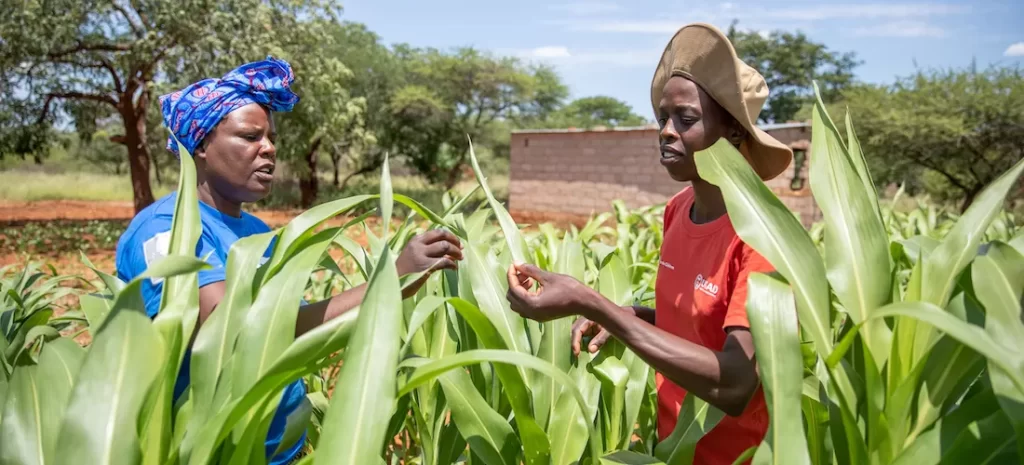
The Deputy Permanent Secretary also highlighted the complementary role of the Dar Rapid Transit Agency (DART), saying TARURA and DART “continue to be strong pillars in the construction of resilient infrastructure from the community level upwards, ultimately expanding economic opportunities for the public.”
Analysts say the introduction of SCALE aligns with Tanzania’s broader commitment to climate adaptation and low-carbon growth, particularly as the country faces rising temperatures, unpredictable rainfall, coastal erosion, and urban flooding.
By anchoring solutions at the local level, the programme is expected to support better land use, improved water resource management, greener transport, and community-driven protection of natural ecosystems. With implementation now underway, Tanzania is positioning itself to unlock new climate finance opportunities while empowering local governments to lead on resilience-building – a shift that experts view as critical for long-term sustainable development.