By Business Insider Reporter
In a significant stride for wildlife preservation and sustainable tourism, the Tanzanian government has announced a crucial infrastructure upgrade for the remote Mahale Mountains National Park.
This isn’t just a story about laying tarmac; it’s a powerful narrative of how improving human access can strengthen the economic argument for conservation, ultimately safeguarding one of the world’s most vital chimpanzee populations.
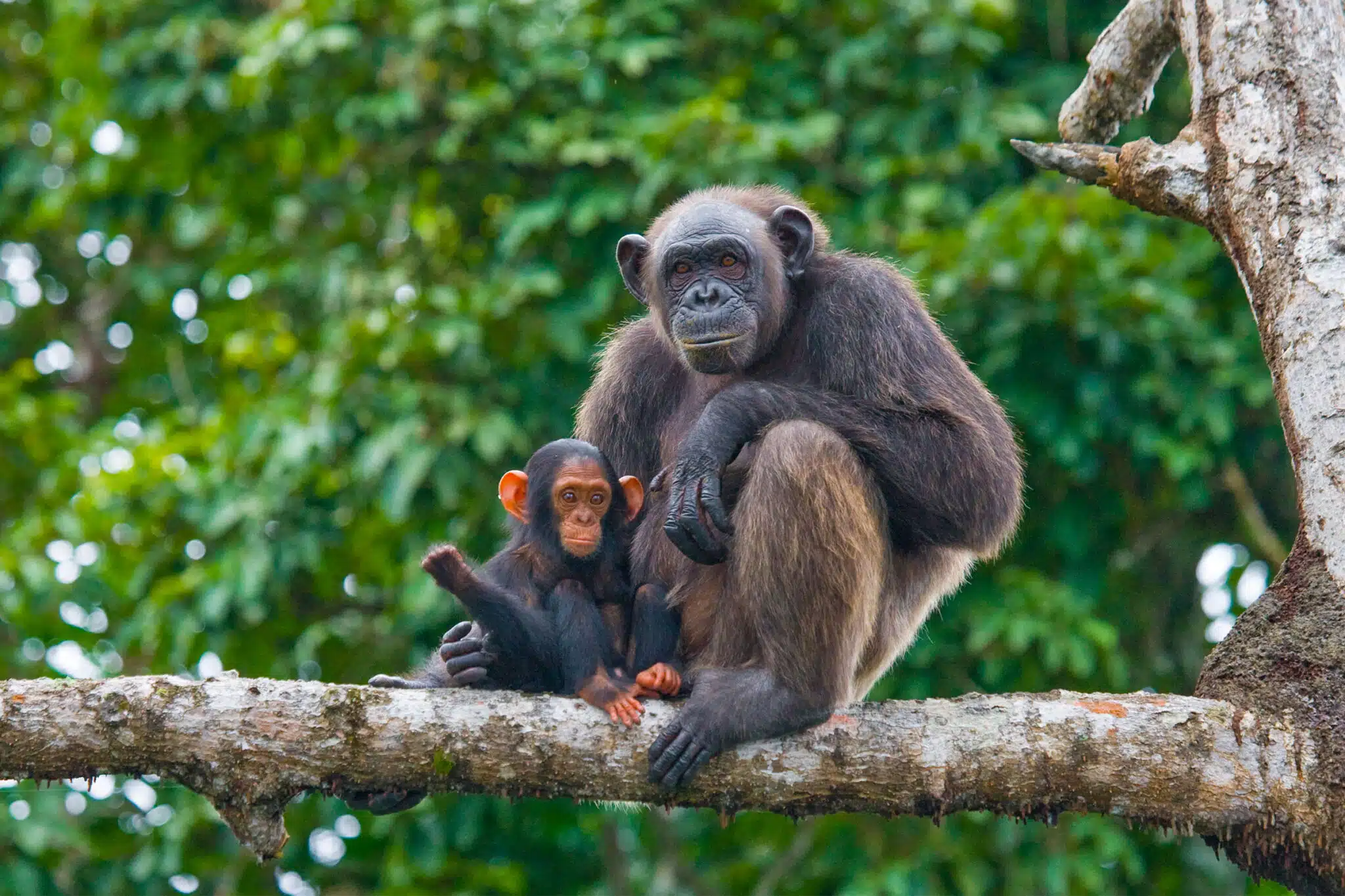
Mahale Mountains National Park, nestled on the shores of Lake Tanganyika in the Uvinza District, is a true wilderness sanctuary. It is famed for being home to an estimated 900 chimpanzees, offering a rare opportunity for visitors to observe these remarkable great apes in their natural habitat.
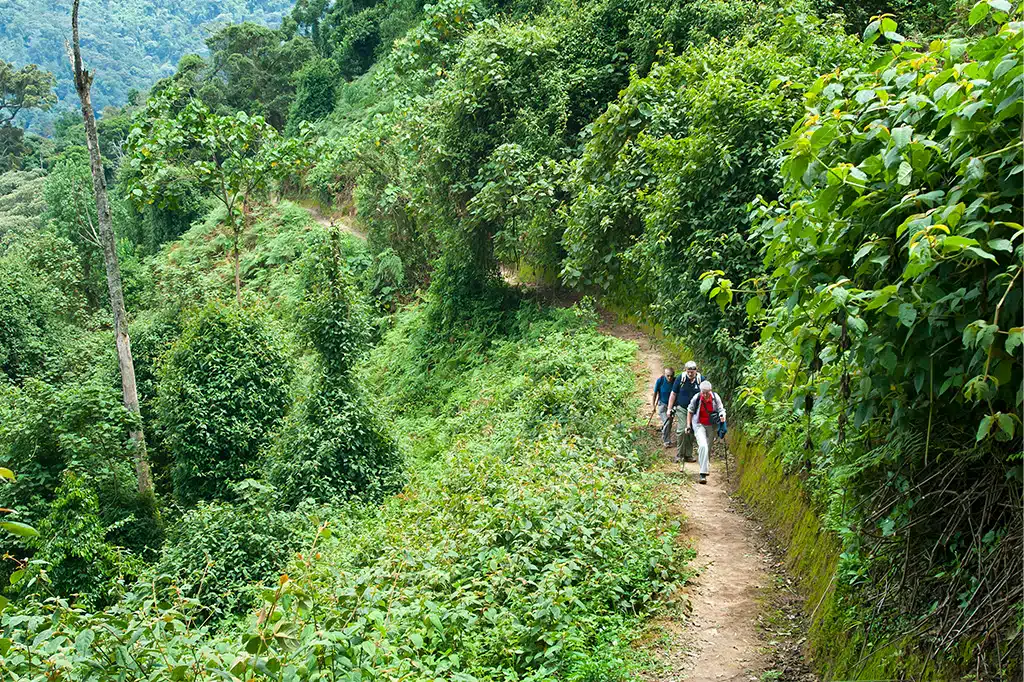
However, the park’s isolated beauty has long been protected – and ironically hindered – by its inaccessible location. The 38km route linking Rukoma village to the park entrance has been in notoriously poor condition. As Kigoma Regional Commissioner Simon Sirro noted, this single road bottleneck forces travellers to endure a punishing five to six-hour journey from Kigoma, severely limiting tourist numbers.
Before the upgrade visitor numbers were restricted, forcing most tourists to rely on costly, scheduled air access, which is not always feasible, especially during the challenging rainy season. This poor access limited the potential revenue that could be channeled directly into conservation efforts.
The economic argument for conservation
The commitment to upgrade this essential access route signals a shift in strategy. By improving the road, the government aims to drastically increase visitor numbers – which have already shown promising growth from 210 in 2020/2021 to 923 in 2023/2024.
As Petra Meyr from Nomad Tanzania highlighted, this development will “inevitably change access” to one of Tanzania’s most remote corners. For conservation, the implication is profound: easier, more reliable access translates directly into higher tourism revenue, which provides the necessary funds to combat persistent threats like poaching, encroachment, and human-wildlife conflict. In effect, making the park easier to visit bolsters the “economic argument for conservation.”
Safeguarding the Chimpanzees
Crucially, the increase in tourism requires thoughtful management to ensure the very chimpanzees the park seeks to protect are not overwhelmed. The park management and tour operators are keenly aware of this delicate balance:
Visitor Limits: Operator Nomad Tanzania is relying on TANAPA (Tanzania National Parks Authority) to “enforce sensible visitor limits” to safeguard the chimpanzee communities from excessive disturbance and stress.
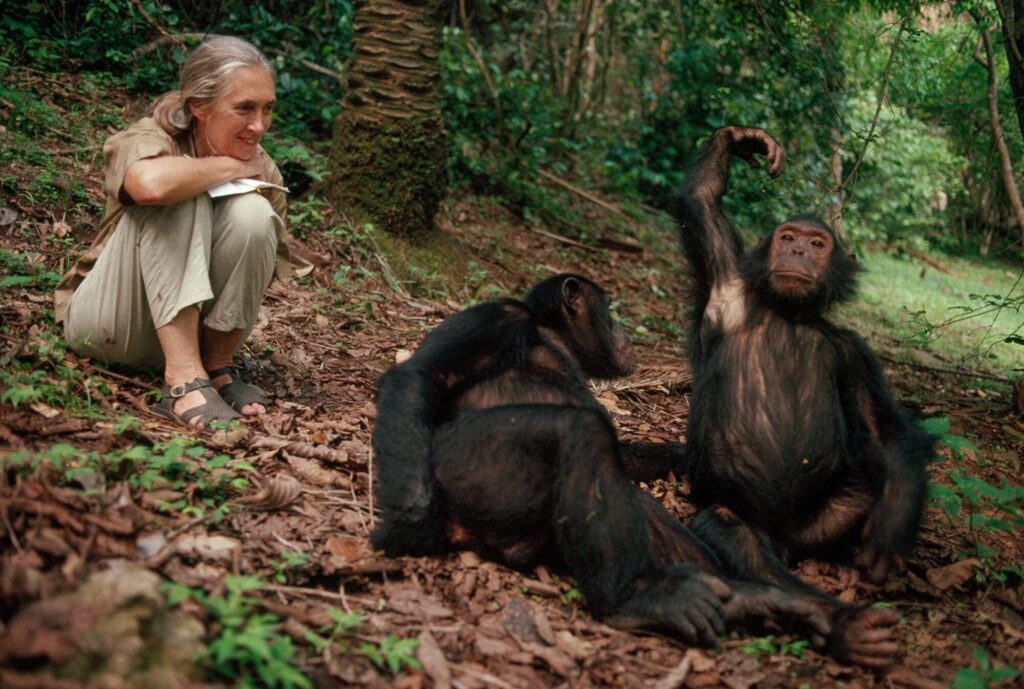
Habituation Strategy: To distribute tourism pressure and protect the primary, well-known groups, the park is supporting the gradual habituation of alternative chimp families. This forward-thinking strategy ensures that more groups can be safely viewed, while simultaneously reducing the impact on any single family group. In upgrading this road, Tanzania is undertaking a bold project where development and conservation work hand-in-hand. The improved access is not just for tourists; it is a vital lifeline that promises a sustainable future for the Mahale ecosystem and its incredible primate residents.