By Business Insider Reporter
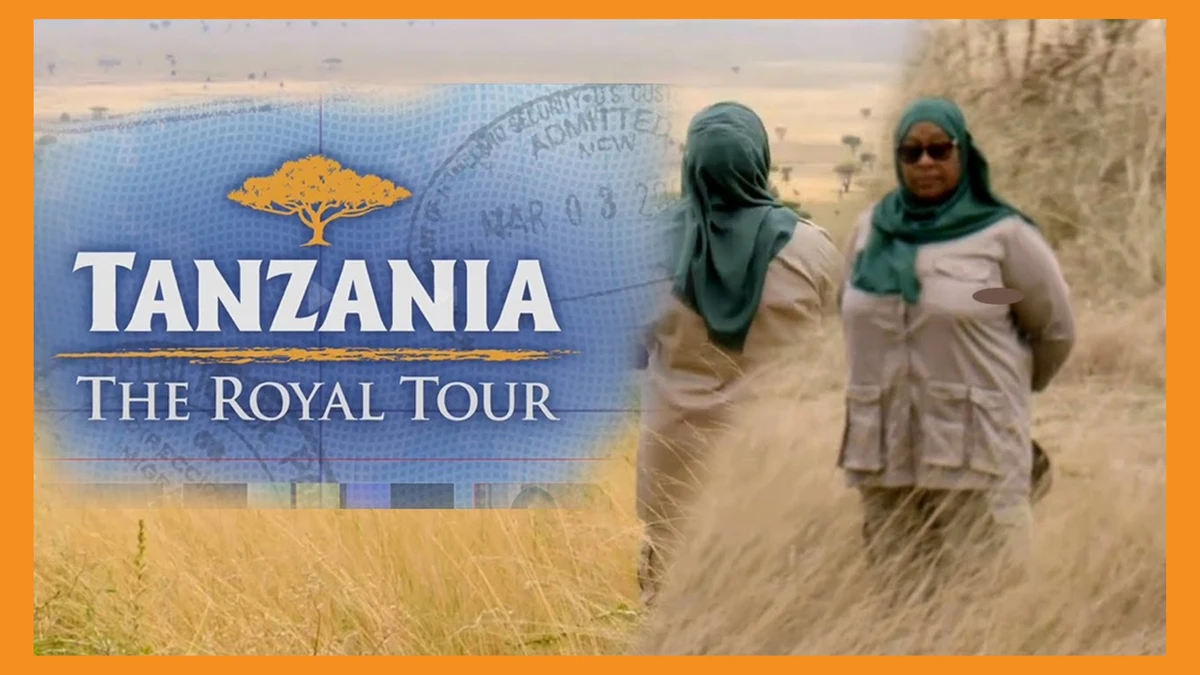
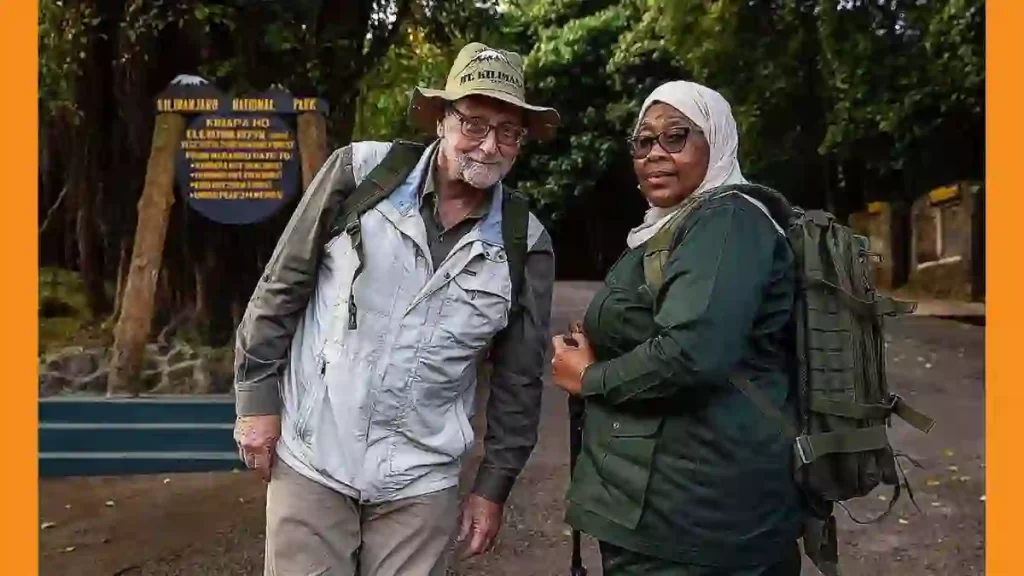
Tanzania’s tourism industry is experiencing a historic boom, fuelled by the success of the Royal Tour documentary, which debuted in 2022 under the stewardship of President Samia Suluhu Hassan.
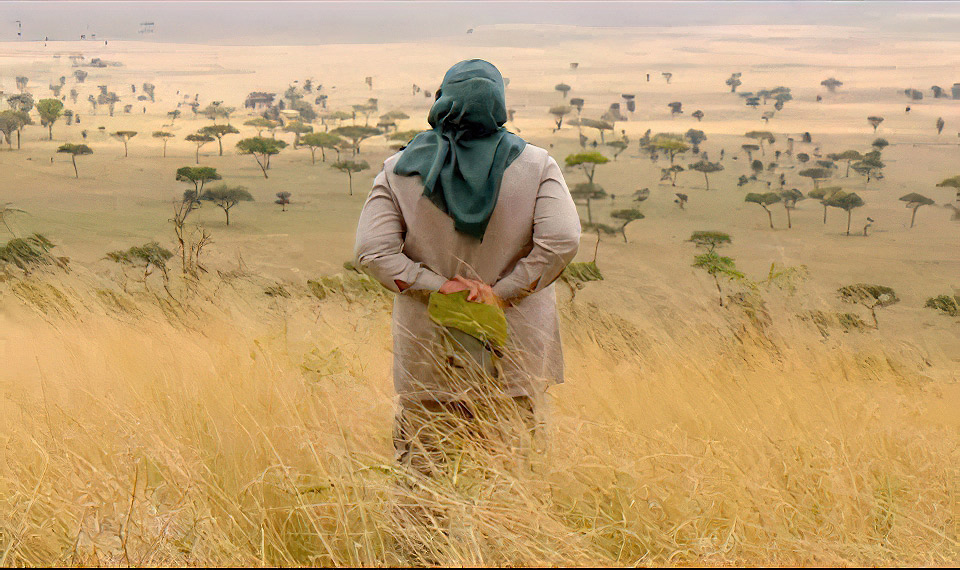
The film, which vividly portrayed Tanzania’s breathtaking landscapes, rich cultural heritage, and diverse investment opportunities, has transformed global perceptions of the country, positioning it as one of Africa’s most compelling travel destinations.
Speaking during World Tourism Day celebrations at Ngorongoro on September 27, the Permanent Secretary in the Ministry of Natural Resources and Tourism, Dr. Hassan Abbasi, credited the documentary with significantly boosting Tanzania’s global visibility.
“The Royal Tour was not just a documentary – it was a turning point. It opened new doors for tourism and investment in Tanzania,” he said.
Rebranding Tanzania for the world
Prior to 2022, Tanzania’s tourism often played second fiddle to more aggressively marketed destinations in Africa. Despite its natural wonders – the Serengeti, Mount Kilimanjaro, Zanzibar, and Ngorongoro – international audiences often underestimated the country’s full potential.
The Royal Tour documentary changed this narrative by presenting Tanzania as a world-class destination through immersive storytelling and high-quality visuals.
By highlighting not only wildlife and nature but also culture, history, and investment opportunities, the documentary created a multidimensional picture of Tanzania.
It placed the nation firmly on the bucket list of global travellers while simultaneously attracting investors to its growing hospitality and infrastructure sectors.
Tourism numbers surge
Since the release of the documentary, international arrivals have grown sharply, with notable increases from North America, Europe, and the Middle East.
The result has been a marked rise in tourism revenues, which have created ripple effects across the economy – from hotels and lodges to transportation services, craft markets, and tour operations.
The increased visibility has also attracted foreign investors, particularly in luxury accommodation, eco-lodges, and aviation services. This wave of investment has spurred job creation, especially among women and youth, further embedding tourism as one of Tanzania’s economic lifelines.
Sustainability at the core
This year’s World Tourism Day theme, “Tourism and Sustainable Transformation,” resonated deeply with Tanzania’s current trajectory.
As Dr. Abbasi emphasised, growth must go hand in hand with conservation. “Our natural heritage and cultural traditions are our greatest assets. Protecting them is essential for ensuring that tourism’s benefits are long-term and inclusive,” he noted.
The government has reinforced its focus on sustainable tourism by strengthening community-based initiatives. Local communities near iconic sites like Serengeti and Ngorongoro now play a central role in tourism services, from guiding to cultural exhibitions and small-scale enterprises.
This inclusive model ensures that the economic benefits of tourism reach beyond urban centres to rural communities.
Communities as partners
The surge in visitors has transformed lives in local villages, creating direct and indirect employment opportunities. Tour guides, rangers, artisans, and small business owners are now benefitting from the steady stream of international travellers.
Importantly, involving communities fosters cultural preservation while enhancing the visitor experience, making tourism not only an economic engine but also a tool for social cohesion.
Building on the momentum
Looking forward, Tanzania plans to capitalise on the momentum created by the Royal Tour by diversifying its offerings. The government is developing niche tourism segments such as eco-tourism, cultural immersion, and adventure travel, aimed at broadening the appeal to new demographics of travellers.
At the same time, infrastructure investments – including road upgrades, improved airports, and digital platforms – are being prioritised to accommodate the rising influx of tourists.
Three years after the release of Royal Tour, Tanzania has cemented its place as one of Africa’s leading destinations for responsible and inclusive tourism. The documentary did more than promote wildlife – it repositioned the nation as a hub for sustainable development, investment, and cultural exchange. With rising international arrivals, stronger community engagement, and a renewed global image, Tanzania is well on its way to becoming not just a travel destination, but a global leader in sustainable tourism.