By Business Insider Reporter
Tanzania has declared its full readiness to embrace nuclear energy as part of its long-term strategy to meet growing electricity demand and diversify its energy mix, signaling a bold step into the future of clean and reliable power generation.
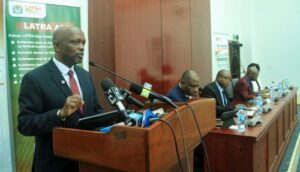
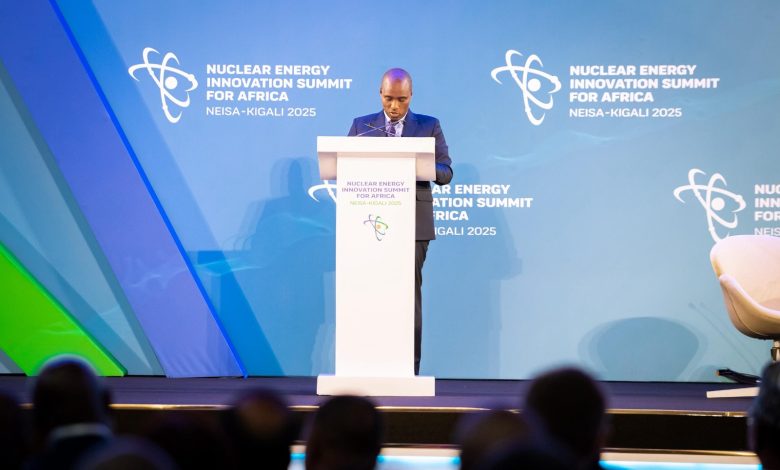
Speaking at the Africa Nuclear Business Platform Conference held on June 30, 2025, in Kigali, Rwanda, Deputy Prime Minister and Minister of Energy Dr. Doto Biteko outlined a comprehensive national roadmap for the development and use of nuclear power.
The announcement comes as Tanzania positions itself among a growing number of African nations actively preparing for nuclear energy integration.
“We have made coordinated efforts across multiple government institutions to establish a clear pathway for nuclear energy development,” said Dr. Biteko. “This is a direct implementation of President Samia Suluhu Hassan’s directive to unlock the potential of our uranium resources and utilize them for national energy production.”
A strategic national priority
Nuclear energy is now officially a strategic pillar in Tanzania’s energy future, with the government incorporating it into its National Energy Policy, the Renewable Energy Strategy and the Mineral Development Policy.
These frameworks lay the foundation for leveraging nuclear power not only for electricity generation but also for innovation in medicine, agriculture, and research.
Dr. Biteko stressed that nuclear power offers significant benefits, including lower long-term generation costs and zero carbon emissions, making it an ideal supplement to Tanzania’s hydro, natural gas, and solar energy sources.
Legal, regulatory and human capital
According to Dr. Biteko, the government is finalising robust policies, legal instruments and regulatory frameworks to guide the safe and sustainable development of nuclear energy.
These efforts include updating the 2013 National Policy on Nuclear Technology to reflect technological advancements and ensure compliance with international safety and environmental standards.
Furthermore, the roadmap includes significant investment in human capital development, with plans to train a new generation of Tanzanian scientists, engineers, and technicians in nuclear sciences and reactor operations.
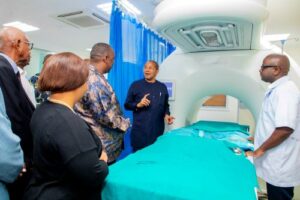
“Our goal is to build a domestic pool of nuclear professionals who can support not just power generation, but also applications in healthcare – such as cancer treatment – and agricultural research,” he noted.
The Mkuju River Project
Central to Tanzania’s nuclear ambitions is the development of domestic uranium resources, notably the Mkuju River Project located in Namtumbo District, Ruvuma Region. Operated by Mantra Tanzania Limited, a subsidiary of Russia’s Uranium One Group under the State Atomic Energy Corporation ROSATOM, the project is regarded as one of Africa’s most advanced uranium ventures.
As of 2023, the company had reported nearing completion of a uranium processing facility, paving the way for domestic fuel production once regulatory and licensing hurdles are cleared.
President Samia, on May 24, 2025, called for an accelerated pace in uranium project development, reinforcing the government’s commitment to making nuclear energy a functional reality.
Integration into the National Grid
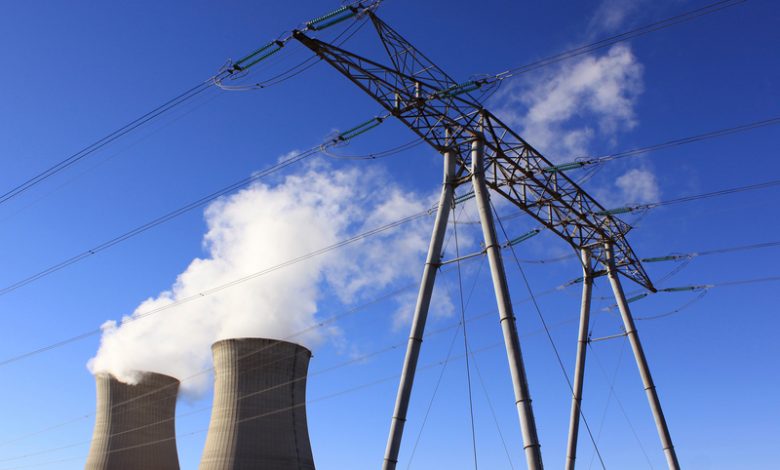
Electricity produced through nuclear technology will eventually be integrated into Tanzania’s national grid, enhancing energy security and supporting the country’s industrialisation goals under the Third Five-Year Development Plan (FYDP III).
With energy demand rising across urban centres and industrial zones, nuclear energy is seen as a long-term solution for stable baseload power.
Dr. Biteko assured regional and international partners that Tanzania is committed to transparency, safety, and responsible nuclear development, and will continue engaging with global bodies like the International Atomic Energy Agency (IAEA) to ensure adherence to best practices.
Why nuclear, why now?
Tanzania’s move comes amid a wider continental shift toward nuclear energy, with countries like Egypt, South Africa, Nigeria, and Kenya advancing their own nuclear programmes.
For Tanzania, this is both a development opportunity and a strategic necessity. “We must act now to build the energy infrastructure of tomorrow,” Dr. Biteko concluded. “Nuclear power will not only help us close our energy gap, but it will also future-proof our economy in the face of climate change and growing demand.”