By Business Insider Reporter
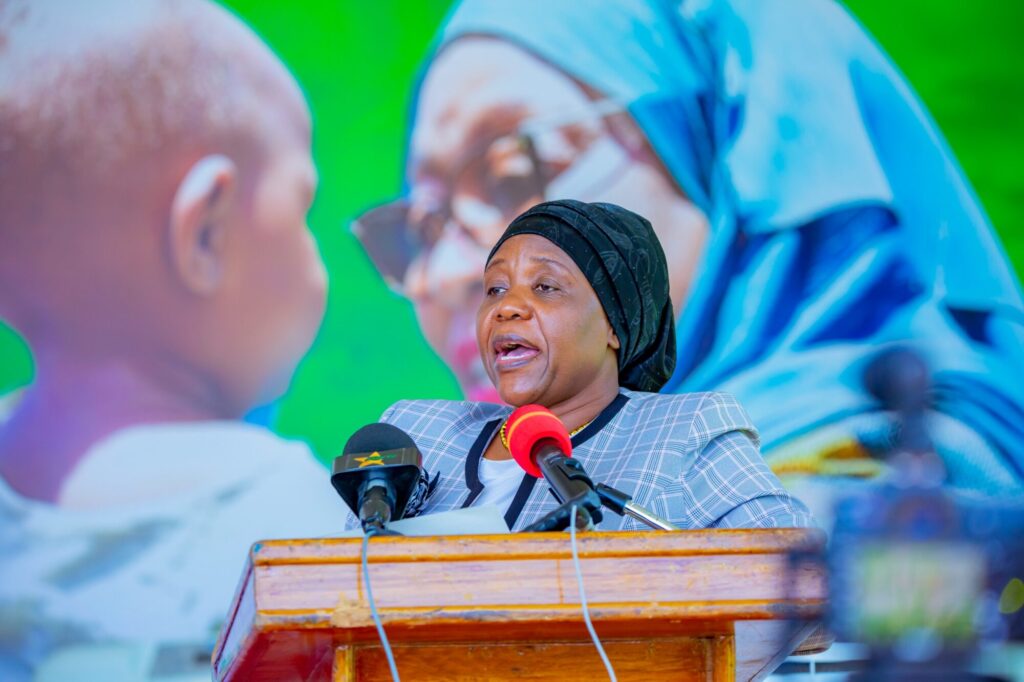
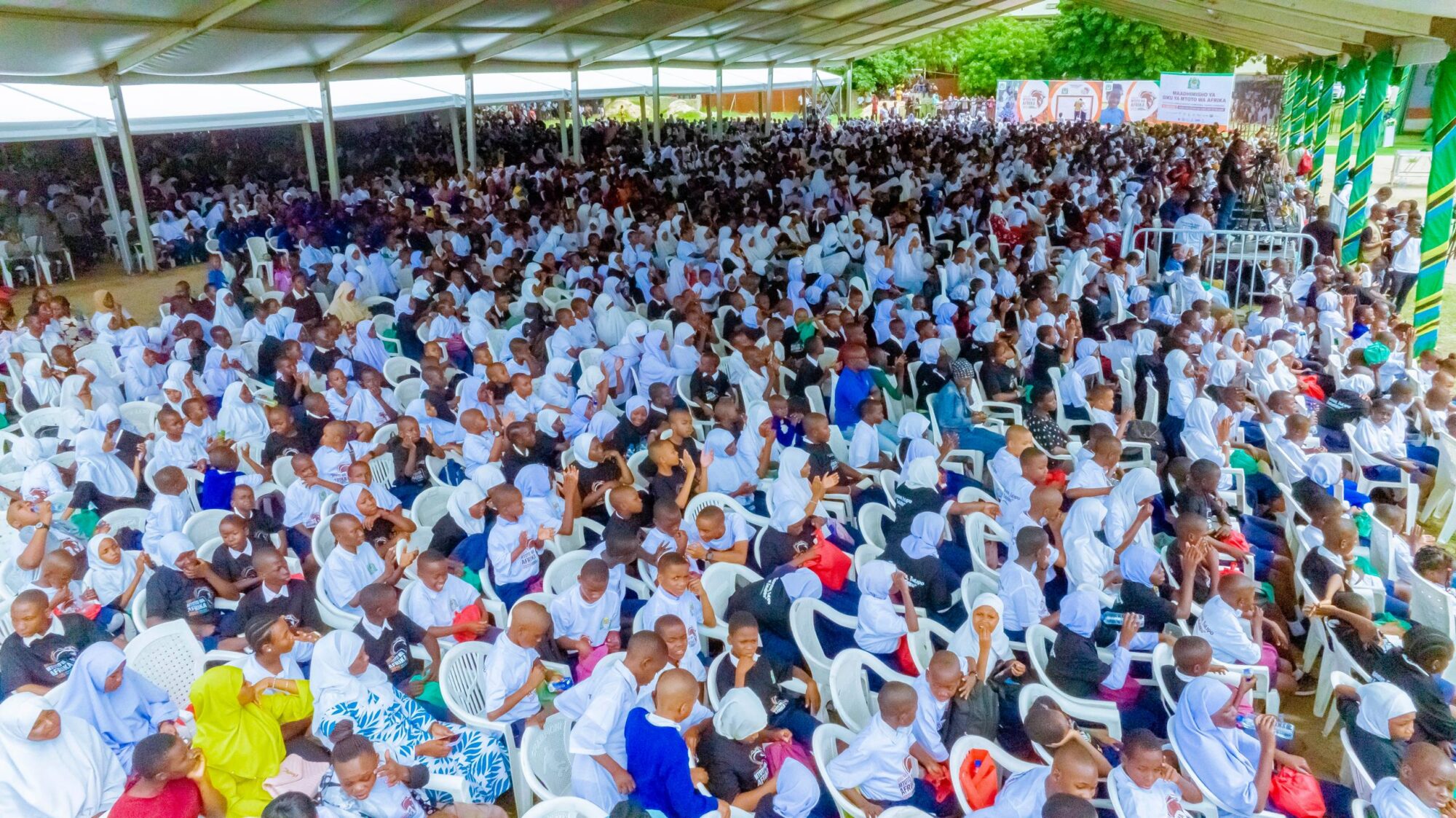
The Tanzanian government has reaffirmed its commitment to protecting and promoting children’s rights, highlighting significant achievements under the leadership of President Samia Suluhu Hassan. The pledge was made during national celebrations to mark the Day of the African Child, held at the Institute of Social Work grounds in Kijitonyama, Dar es Salaam.
Minister for Community Development, Gender, Women and Special Groups, Dr Dorothy Gwajima, said the government has implemented key strategies to improve the lives of children through access to health, education, and legal protection.
“In the four years of President Samia’s leadership, we have seen substantial investment in child rights and welfare. From legal reforms to improved infrastructure, her government has prioritised the future of Tanzanian children,” Dr Gwajima said.
She applauded the President for creating a strong foundation for upholding children’s rights and thanked her for a “visionary and committed approach to inclusive development.”
Progress in health and education
Children representing the National Children’s Council outlined major government achievements, particularly in healthcare and education. They cited the expansion of maternal and child health services, with the construction of; 6 Zonal Referral Hospitals, 28 Regional Referral Hospitals, 129 District Hospitals, 345 Health Centres and 1,158 Dispensaries across the country.
On the education front, they highlighted a substantial increase in the number of primary schools – from 16,406 in 2021 to 17,986 in 2024/2025 – which has expanded access to quality learning for thousands of children.
“These developments speak directly to a child’s right to life, health, and education,” said one council member during the event.
Legal reforms and child protection
The government has also amended key laws to strengthen child protection. These include: The Law of the Child (Cap 13), The Cybercrime Act (Cap 443) and The Legal Aid Act (Cap 23).
The revisions aim to better protect children from violence, exploitation, and neglect.
Dr Gwajima noted that this year’s theme – Children’s Rights: Where We’ve Come From, Where We Are, and Where We’re Going” – is a call to reflect on progress made since the introduction of Tanzania’s National Child Development Policy in 2008.
Collective responsibility
Children at the event urged parents, guardians, religious leaders and community members to prioritise child welfare and ensure that children’s fundamental rights are protected. These include: The right to life and protection from harm, right to education and personal development, right to be protected from abuse, right to express opinions in matters affecting them and right to non-discrimination.
“We call upon all stakeholders to provide for our basic needs and keep us safe from those who would harm us,” said Daniel Maghembe, Chairperson of the Children’s Council of the United Republic of Tanzania.
Continued collaboration
Permanent Secretary Dr John Jingu said the government is working closely with partners to raise awareness on child rights and combat violence against children.
Elke Wisch, UNICEF’s Resident Representative in Tanzania, praised the government’s efforts and pledged continued support in creating child-friendly environments and strengthening service delivery.
“UNICEF remains committed to working with Tanzania in achieving its child protection goals and supporting national efforts to end violence against children,” she said. As the country looks ahead, both government leaders and children alike called for sustained action to ensure that the progress made so far continues and that no child is left behind.