By Business Insider Reporter
The Revolutionary Government of Zanzibar has revised entry fees for marine conservation areas (MCAs) and marine protected areas (MPAs), effective September 1, 2025, in a move aimed at strengthening environmental protection while enhancing local economic benefits.
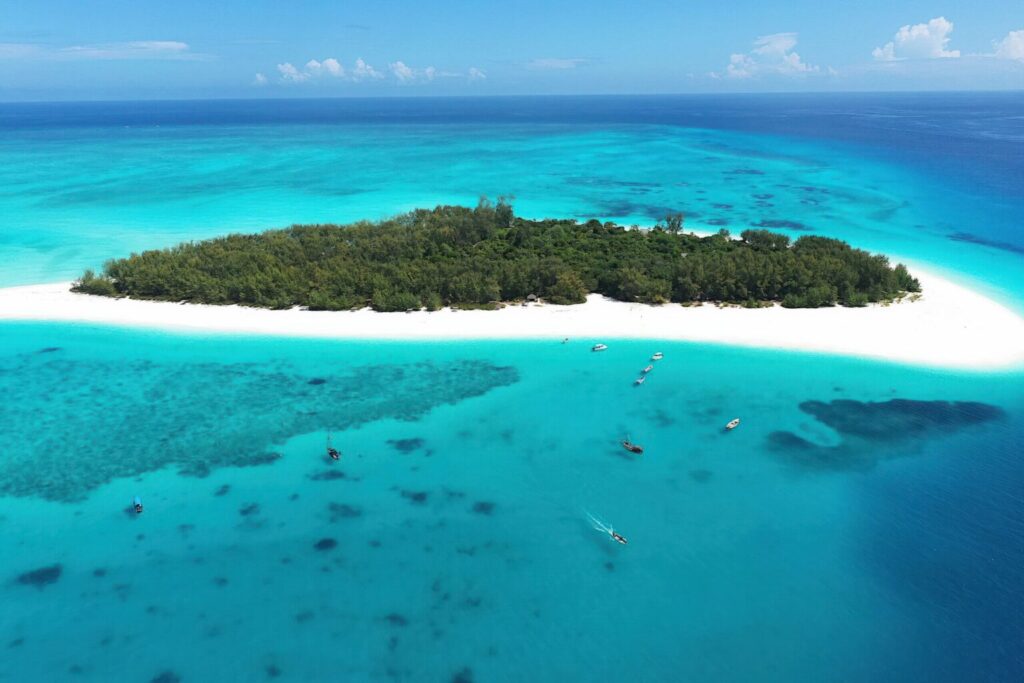
The Zanzibar Ministry of Blue Economy and Fisheries confirmed that the new fees will apply to key sites including the Mnemba Island Conservation Area (MIMCA), Menai Bay Conservation Area (MBCA), Chumbe and Changuu-Bawe Marine Conservation and Tourism Use Management Area (CHABAMCATUMCA), and the Pemba Channel Conservation Area (PECCA).
Under the revised structure, East African citizens will pay TSh 5,000 per adult (16 years and above) and TSh 2,500 for children aged 5 to 15, while children under five will continue to enter for free.
Non-East African visitors will pay US$10 per adult per day and US$5 for children, with Tanzanian residents of non-East African origin eligible for discounted rates of US$5 for adults and US$3 for children.
The Mnemba Special Area retains its existing fee schedule, with non-East African tourists paying US$25 per adult and US$10 per child.
According to the Department of Marine Conservation, the revisions are designed to balance the protection of Zanzibar’s rich marine biodiversity with sustainable economic benefits for surrounding communities.
By increasing accessibility for East African visitors while maintaining revenue from international tourists, the policy aims to attract greater regional tourism, boost local employment, and support community-led conservation initiatives.
“The updated fees reflect our commitment to ensuring that both conservation and community prosperity go hand in hand,” the ministry said.
Early analysis suggests that the fee adjustments could increase local revenue streams for coastal communities while encouraging responsible tourism practices. The revision is expected to enhance Zanzibar’s position as a leading marine tourism destination in East Africa, promoting sustainable use of marine resources while strengthening the economic resilience of local communities dependent on marine conservation activities.