By Business Insider Reporter
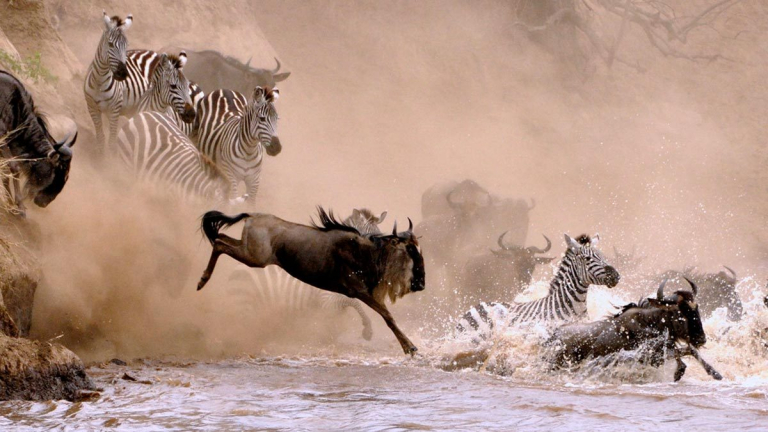
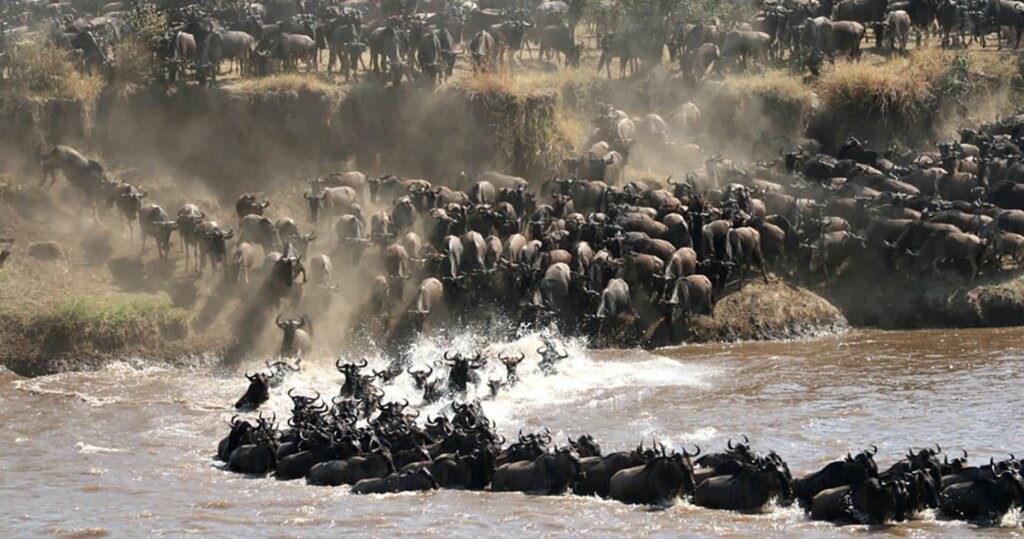
Serengeti National Park (SNP) is currently a beehive of activities – literally. As millions of wildebeest and zebras thunder across the plains in one of the world’s most spectacular natural events, Tanzania finds itself at the epicentre of a global wildlife pilgrimage.
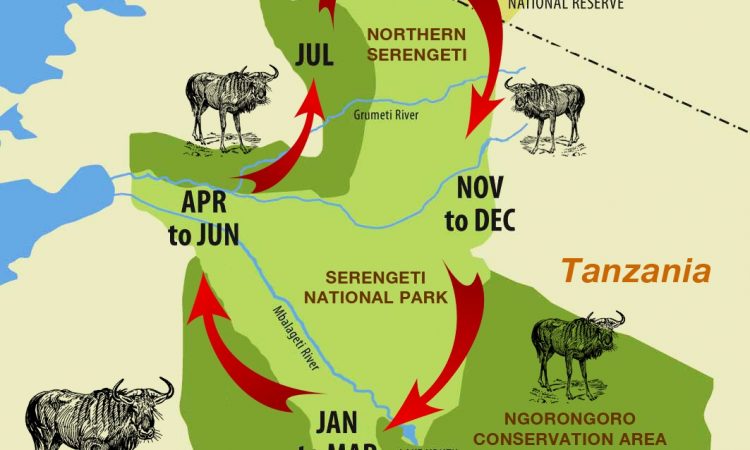
The annual Great Migration – a journey of over 1,800 miles from Serengeti National Park in Tanzania to Kenya’s Masai Mara – has once again drawn travellers from all corners of the globe.
And with demand for flights and accommodation surging, Tanzania has a golden opportunity to elevate its tourism portfolio and unlock greater value from its natural heritage.
Tourism surge and economic opportunity
Travel data indicates that hotel bookings in and around the Serengeti region are near capacity, with many lodges reserved six months in advance.
Similarly, air tickets to northern Tanzania have peaked, with major international routes fully booked through August. This upsurge, driven by wildlife enthusiasts from China, Europe, and the United States, underscores the Serengeti’s status as a bucket-list destination and a global asset.
“China is producing the biggest number of outbound travellers. In 2024, we received almost 70,000 tourists from China, up from 45,000 in 2023,” noted Tanzania Tourist Board (TTB).
This dramatic increase confirms the vast potential of Asian markets – especially when paired with aggressive marketing, improved air connectivity, and visa facilitation.
Building a year-round destination
While the Great Migration runs from July to October, industry experts say Tanzania must extend the tourism window by packaging complementary experiences around the migration.
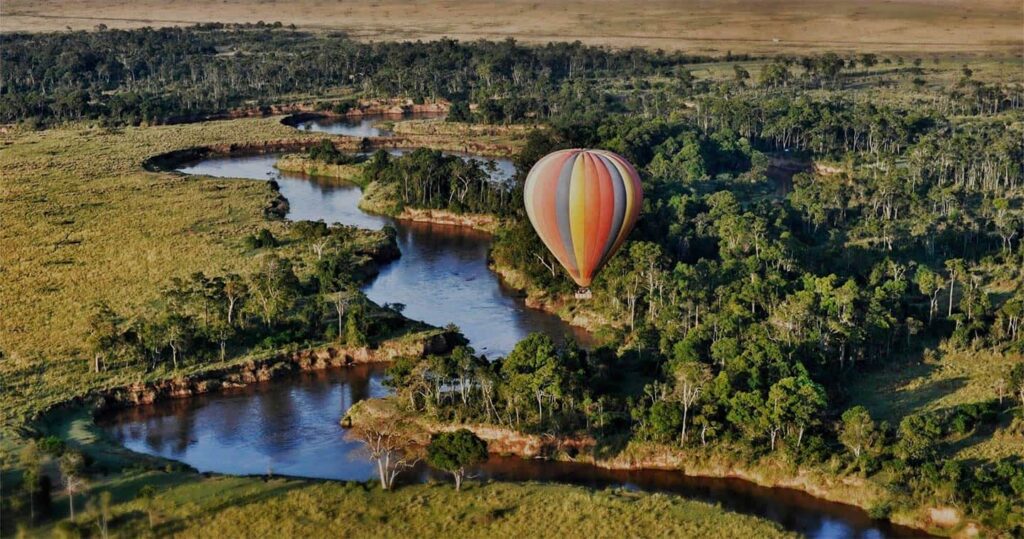
From hot-air balloon safaris to cultural excursions with Maasai communities, Tanzania can promote alternative itineraries that retain visitors longer and encourage repeat visits during the off-season.
Strategic diversification beyond wildlife tourism – such as tapping into eco-tourism, birdwatching, marine tourism in Zanzibar, and adventure hiking around Mount Kilimanjaro – would help distribute tourism earnings more equitably across regions and communities.
Infrastructure, accessibility and affordability
With international demand surging, Tanzania must also invest in better transport infrastructure to ease access to its iconic parks.
While charter flights and high-end lodges cater to luxury travellers, middle-tier tourists – particularly from emerging markets – are often priced out of the experience.
Investments in road upgrades, park shuttles, and mid-range accommodation would allow Tanzania to broaden its visitor base without diluting the high-value experience that makes Serengeti unique.
The country should also consider streamlining its visa process and exploring multi-country visa arrangements with Kenya and Uganda to support seamless East African safaris.
Sustainable tourism and local impact
As Tanzania capitalises on its growing international allure, it must also safeguard the ecological integrity of the Serengeti. ‘Over-tourism’ risks degrading the fragile ecosystem that sustains the migration.
Therefore, visitor caps, conservation levies, and community-led tourism models will be essential to ensure that tourism revenues flow back to wildlife protection and local development.
Additionally, empowering local communities through training, employment and small business support will increase public buy-in and reduce pressure on protected areas.
Done right, the Great Migration can become a catalyst for inclusive growth.
The Great Migration is more than a wildlife event – it is a powerful economic engine with potential far beyond park fees and hotel stays.
Tanzania must now translate this seasonal spectacle into a year-round, sustainable tourism powerhouse, anchored by strategic investments, global marketing, and robust infrastructure. By doing so, it can elevate tourism’s contribution to GDP, create thousands of jobs, and ensure that the wildebeest continue to roam – not just for nature’s sake, but for Tanzania’s long-term prosperity.