
By Business Insider Tanzania
Mobile phone users in Tanzania are feeling the pinch as telecommunication tariffs saw modest increases in the quarter ending September 2025, according to the latest report by the Tanzania Communications Regulatory Authority (TCRA).
The recently released TCRA Communications Statistics Report shows that while data charges, East Africa (EA) voice calls, and international SMS tariffs remained stable, local on-network voice calls jumped 11.5 percent, off-network calls increased 3.6 percent, local SMS rose 3.8 percent, and calls to the Rest of the World (RoW) climbed 6.5 percent.
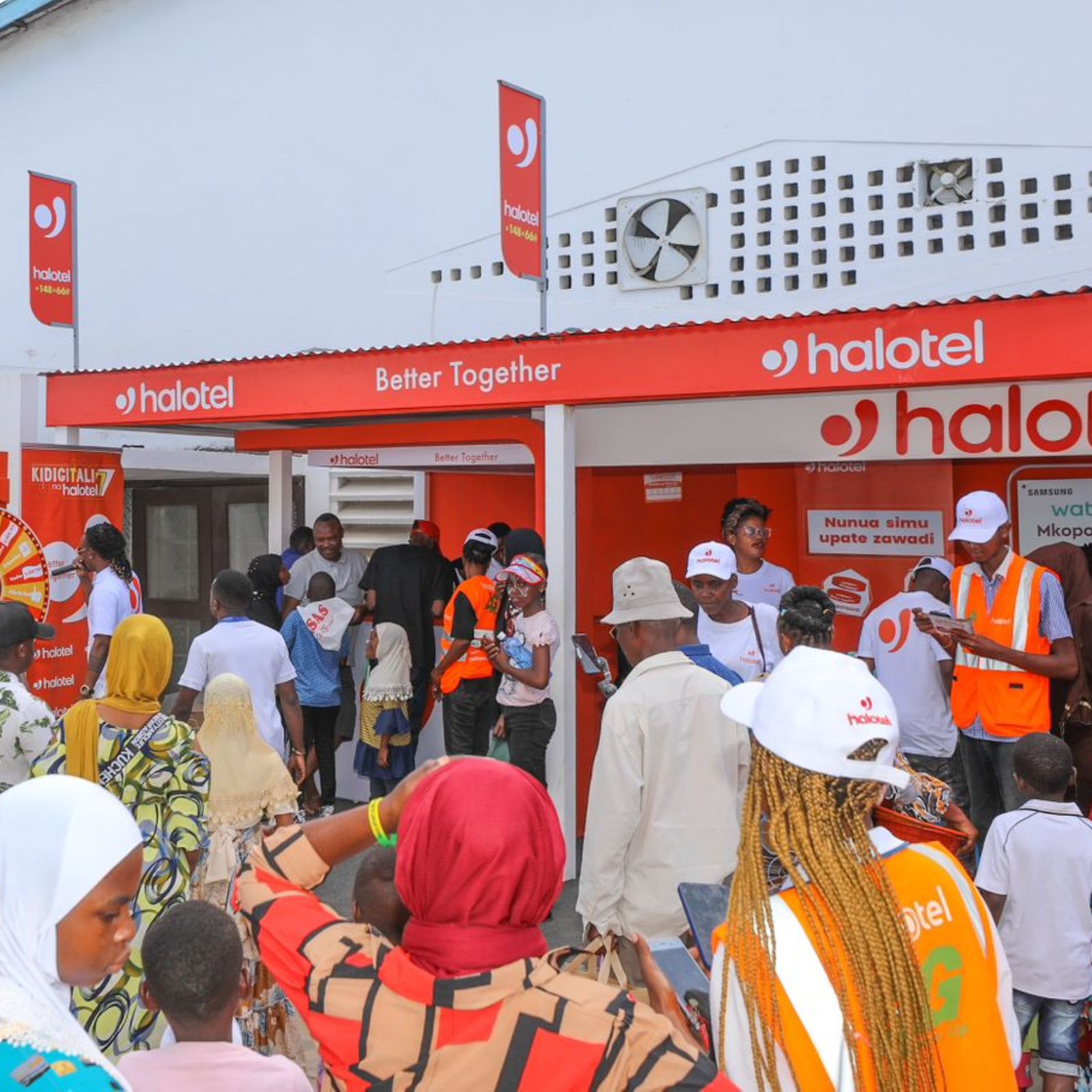
Despite the general increase, Halotel continues to offer the most affordable mobile services in the country. Unlike other networks charging TSh 30 per minute for both on-net and off-net calls, Halotel charges just TSh 25 per minute, giving its customers a clear cost advantage.
“Halotel is the only operator whose local voice call charges are consistent both within and outside its network, making it the cheapest option for Tanzanians,” the report notes.
For comparison, the industry average for local voice tariffs rose from TSh 26 (on-net) and TSh 28 (off-net) in June 2025 to TSh 29 per minute in September 2025.
Meanwhile, regional and international call charges remain significantly higher, with EA calls averaging TSh 247.52 per minute and rest of the world calls at TSh 2,315.82 per minute.
What this means for you
If you make regular calls within Tanzania, Halotel offers significant savings – especially for those who rely on frequent local communication. You can expect a noticeable difference in your monthly expenses if local calling is a key part of your routine.
When it comes to SMS, prices have seen slight increases across all networks. While this may not greatly affect light users, those who send a high volume of texts might feel a small uptick in costs.
For mobile data users, the good news is that standard Pay-As-You-Go data rates remain unchanged. This means you can continue browsing, streaming, and using messaging apps without worrying about sudden price adjustments.
International calling, however, continues to be on the higher end of the cost spectrum. If you frequently reach out to family or colleagues abroad, exploring Voice-over-Internet (VoIP) services or bundled international plans could help you save considerably.
In today’s connected world, where mobile services are essential for both personal and professional life, choosing the right network matters more than ever. Halotel’s consistently low local tariffs make it an appealing choice for cost-conscious users seeking dependable service without compromising quality.
Urban centres dominate mobile usage
Tanzania’s mobile phone market continues to expand, with total subscriptions increasing 7.1 percent in the quarter ending September 2025, rising from 92.7 million in June 2025 to 99.3 million. This growth reflects the country’s increasing reliance on mobile connectivity for communication, business, and digital services.
Vodacom remains the market leader with 31.3 million subscriptions, capturing 31.5 percent of the market. It is followed closely by Yas with 28 million subscriptions (28.2 percent) and Airtel with 21.8 million subscriptions (21.9 percent). Halotel and TTCL hold smaller shares, with 16.5 million (16.6 percent) and 1.7 million (1.7 percent), respectively.
Mobile usage in Tanzania remains heavily concentrated in the country’s major urban centres. Dar es Salaam leads by a wide margin, with around 18.28 million active subscriptions, reflecting its position as the nation’s commercial and population hub.
Mwanza follows with nearly 6.6 million subscriptions, while Arusha maintains a strong base of about 5.98 million users. Mbeya continues to show steady growth with 5.71 million subscriptions, and administrative capital Dodoma records around 5.30 million.
This pattern highlights the continued dominance of urban areas in driving mobile connectivity and digital activity across the country. Dar es Salaam alone accounts for nearly one-fifth of all active subscriptions, highlighting the continued dominance of urban areas in mobile connectivity.
This steady growth underscores the importance of mobile networks in Tanzania’s economic and social landscape, while also emphasizing opportunities for expansion in less saturated regions.